
Quick Take
The best substitute for corn flour really depends on the job it’s doing in your recipe. Need that real corn flavor? Go with cornmeal or masa harina. Looking for flour-like bulk? Rice flour or wheat flour usually works great. And when you mainly need thickening or crispness, reach for cornstarch, potato starch, tapioca starch, or arrowroot.
Here’s something that surprises a lot of people: cornstarch isn’t automatically the best swap. It shines in sauces and frying, but it falls flat in breads, tortillas, or batters where corn flour brings flavor, structure, and body.
A quick note on naming confusion: In the U.S., corn flour usually means finely ground whole corn. But in the U.K. and some other countries, “cornflour” often means cornstarch. That difference trips up a ton of online advice.
Masa harina isn’t just corn flour either—it’s corn that’s gone through nixtamalization, an alkaline lime process that changes the flavor, aroma, how the dough behaves, and even boosts calcium content.
For gluten-free cooking, ingredients like corn, rice, potato, tapioca, and arrowroot are generally safe, but folks with celiac disease should always check labels. Cross-contact happens, and the FDA’s gluten-free rule allows less than 20 ppm gluten.
The golden rule? Match the function first, not just the name. Corn flour can act as a flavoring, a coating, a batter ingredient, a binder, or a mild thickener.
One thing people often miss: the more a substitute acts like pure starch, the less it acts like flour. Starches are fantastic at thickening and crisping, while flours give you body, flavor, and structure.
My favorite practical tip? Blends often work best—like rice flour plus potato starch for crisp coatings, or masa harina with a touch of wheat flour when you want corn flavor plus better structure in baked goods.
Where Corn Flour Fits in Real Life
Corn flour shows up everywhere—from home baking and gluten-free recipes to frying, sauce thickening, Mexican and Latin cooking, and even food manufacturing labels. It matters to home cooks, recipe developers, restaurants, and anyone dealing with allergens or special diets.
You’ll often see it hanging out with neighbors like cornmeal, masa harina, cornstarch, rice flour, potato starch, tapioca starch, arrowroot, wheat flour, chickpea flour, and gluten-free blends.
Switching from corn flour to a pure starch changes how a recipe behaves because starch granules hydrate and thicken differently than whole-grain flour. That affects everything from viscosity and coating adhesion to frying texture and how the dish holds up later.
What Exactly Is Corn Flour?
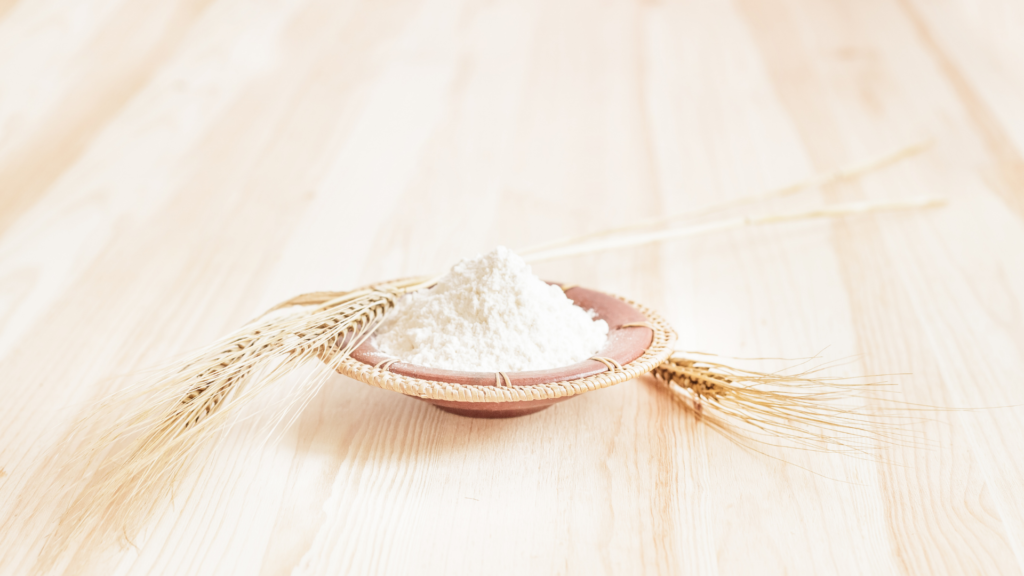
Corn flour is simply finely ground dried corn. In the U.S., it’s usually whole-corn flour—finer than cornmeal and more flour-like. Cornstarch, on the other hand, is mostly just the starch from the kernel, not the whole thing.
There’s no one perfect substitute. Use cornmeal when you want coarse corn flavor, masa harina for that nixtamalized taste in tortillas, rice flour for gluten-free coatings, wheat flour for structure, cornstarch or potato starch for thickening and crisping, tapioca for glossy chew, arrowroot for delicate sauces, and chickpea flour when you need protein and binding power.
Why Corn Flour Substitutions Often Go Wrong
Most lists just say “use cornstarch, cornmeal, rice flour, or wheat flour.” That’s okay as a starting point, but it misses the point—corn flour does different jobs in different recipes. It can add flavor, absorb moisture, thicken, reduce gluten, crisp things up, or give fine texture.
The naming difference is the biggest trap. A British recipe asking for “cornflour” in custard probably wants starch, while an American cornbread recipe wants actual corn flour.
Particle size matters too. Cornmeal is coarser, which is great for cornbread or dusting pizza peels but can make cakes and pancakes gritty.
And don’t forget processing: masa harina has been treated with lime (calcium hydroxide), which gives it a special flavor and changes how it works in dough. That’s why it’s key for authentic tortillas and boosts calcium too.
Match the Substitute to the Job
Before you swap, figure out what the corn flour is actually doing in the recipe.
- For corn flavor → cornmeal, masa harina, or finely ground polenta.
- For fine flour-like bulk → rice flour, wheat flour, sorghum flour, or a gluten-free blend.
- For thickening → cornstarch, potato starch, tapioca starch, or arrowroot.
- For crispness → rice flour, cornstarch, potato starch, or a blend.
Most people assume a straight 1:1 swap works. It can—if the substitute has similar particle size, hydration, and behavior. But when going from flour to pure starch, start with less because starch thickens more efficiently.
Handy decision guide:
- Baking with corn flavor: cornmeal, masa harina, or rice flour + a little cornmeal.
- Sauce or gravy: cornstarch, potato starch, tapioca starch, or arrowroot.
- Frying: rice flour, cornstarch, potato starch, or a 50:50 blend.
- Tortillas or tamales: masa harina (not plain corn flour).
- Gluten-free structure: a blend, not a single starch.
Why Different Substitutes Behave So Differently
Corn flour contains starch plus protein, fiber, germ fat, and those lovely corn flavor compounds. Cornstarch is basically just starch, so it thickens cleanly but doesn’t add much flavor or structure.
When heated with water, starch granules swell and create viscosity—but each type does it at different temperatures and gives different textures. Potato starch thickens fast and can be glossy and elastic. Tapioca adds chew and shine. Cornstarch gives that classic smooth body. Arrowroot works beautifully in delicate sauces but can get stringy if overdone.
Not all starches are interchangeable. One that makes a gorgeous fruit pie might feel too slick in a cream sauce, and one that crisps up fried chicken might dry out a cake.
9 Best Substitutes for Corn Flour
1. Cornmeal Cornmeal is the closest when you want real corn flavor. It’s perfect for cornbread, muffins, coatings, pancakes, and rustic batters.
It’s usually coarser than corn flour, so it adds more texture. For finer results, pulse it in a blender or food processor and sift. Use a near 1:1 swap by weight.
Best for: cornbread, fried fish, hush puppies, pizza dusting. Weakness: can feel gritty in cakes or smooth batters.
2. Masa Harina Masa harina shines in tortillas, tamales, pupusas, sopes, or gorditas. The nixtamalization process gives it a distinct aroma and flavor.
Use it 1:1 where that taste belongs. It won’t work as a neutral flour.
Best for: tortillas, tamales, corn pancakes, savory batters. Weakness: very distinctive flavor.
3. Cornstarch Great when corn flour is mainly thickening or crisping. Not ideal when you need corn flavor or bulk.
For sauces, use about half as much as you would wheat flour. Always mix with cold liquid first. It keeps sauces clearer and thickens more efficiently.
Best for: sauces, gravies, custards, crispy coatings. Weakness: no real body; can get pasty if overused.
4. Rice Flour One of the best gluten-free options for coatings and light batters. Neutral flavor and excellent crispiness since it has no gluten.
White rice flour is finer; brown adds more flavor and slight grit. Works better in blends for baking.
Best for: frying, tempura-style batters, gluten-free baking blends. Weakness: can feel sandy if not finely milled.
5. Potato Starch Excellent for crisp coatings and quick thickening. Gives a light, brittle crunch and glossy sauces.
Use less when thickening. For frying, try it 1:1 or blended with rice or wheat flour for better adhesion.
Best for: fried chicken, tofu, stir-fry sauces, glossy gravies. Weakness: can turn gluey if overheated.
6. Tapioca Starch Also called tapioca flour. Comes from cassava and brings chew, shine, and elasticity.
Great in pie fillings, gluten-free breads, pancakes, and chewy baked goods. Use sparingly in sauces to avoid stretchiness.
Best for: fruit fillings, chewy gluten-free baking, Brazilian-style cheese bread. Weakness: can become gummy.
7. Arrowroot Powder Clean-tasting starch for delicate thickening. Makes clear, glossy sauces without strong flavor.
Best with moderate heat and short cooking. Not ideal for heavy dairy sauces.
Best for: fruit sauces, light gravies, clear glazes. Weakness: less stable with prolonged heat.
8. All-Purpose Wheat Flour Solid choice when gluten is fine and you need structure more than corn flavor. Works in pancakes, muffins, coatings, and roux.
It creates more chew because of gluten. Cook sauces longer to lose the raw taste.
Best for: batters, roux, pancakes, muffins, breading. Weakness: contains gluten; no corn flavor.
9. Chickpea Flour Not a flavor match, but excellent for binding, protein, and browning in savory recipes.
Absorbs water differently and has a bean taste—toast or cook it well.
Best for: fritters, pakora-style batters, veggie patties, savory crepes. Weakness: noticeable flavor; not great for neutral desserts.
Comparative Evaluation
Choose based on the problem you’re trying to avoid—grittiness, weak thickening, missing corn flavor, gumminess, gluten, or poor crispness.
| Substitute | Best Use | Main Trade-Off | Replacement Logic |
|---|---|---|---|
| Cornmeal | Corn flavor and crunch | More grit | Use 1:1 by weight; grind finer if needed |
| Masa harina | Tortillas and Latin corn dishes | Distinct alkaline flavor | Use when nixtamalized flavor is desirable |
| Cornstarch | Thickening and crisping | No flour body | Use less for sauces; blend for coatings |
| Rice flour | Crisp gluten-free coating | Can be sandy | Use finely milled rice flour |
| Potato starch | Fast thickening, crisp crust | Can turn gluey | Use with controlled heat |
| Tapioca starch | Elasticity and shine | Can become gummy | Use in blends or small amounts |
| Arrowroot | Clear delicate sauces | Heat sensitivity | Add late and cook briefly |
| Wheat flour | Structure and browning | Contains gluten | Cook longer in sauces |
| Chickpea flour | Binding and savory structure | Strong flavor | Best in savory recipes |
Function-Based Substitute Matrix
| Recipe Goal | Best Substitute | Avoid | Why This Choice Works |
|---|---|---|---|
| Preserve corn flavor | Cornmeal or masa harina | Cornstarch | Whole ground corn keeps flavor; starch removes it |
| Smooth sauce | Cornstarch, arrowroot, potato starch | Cornmeal | Fine starch hydrates smoothly; meal stays gritty |
| Crispy fried coating | Rice flour + potato starch | Chickpea flour alone | Rice flour reduces heaviness; potato starch adds brittle crunch |
| Tortillas or tamales | Masa harina | Plain corn flour | Nixtamalization changes dough behavior and flavor |
| Cake or muffin softness | Fine rice flour + starch blend | Coarse cornmeal | Fine particles reduce grittiness |
| Savory binding | Chickpea flour | Arrowroot alone | Protein and starch together help hold patties or fritters |
| Gluten-free replacement | Rice flour, potato starch, tapioca starch blend | Wheat flour | Blends cover structure, tenderness, and moisture better than one starch |
Practical Tips from the Kitchen
For sauces, skip cornmeal—use cornstarch, arrowroot, tapioca, or potato starch instead. Always mix the starch with cold liquid first.
For frying, rice flour plus cornstarch or potato starch gives a lighter, crispier crust than plain wheat flour.
In baking, remember starch isn’t flour. If corn flour makes up a decent portion of the dry ingredients, swapping it all for starch can leave things dry or crumbly.
For Mexican and Central American dishes, masa harina is usually the right choice—not plain corn flour. That nixtamalized flavor is the whole point.
Hydration note: Many substitutes (especially rice flour, chickpea flour, and masa harina) keep absorbing liquid after mixing. Reserve a little liquid, mix, rest 10 minutes, then adjust to get the perfect texture.
Single Substitute vs. Blend
Sometimes a single ingredient is simplest—perfect for small jobs like dusting or quick sauces.
But when corn flour plays a big role, blends often win. In gluten-free baking, rice flour for bulk, potato starch for tenderness, and tapioca for elasticity can get you closer to the original.
Use one for minor roles; blend when it’s structurally important.
Things to Keep in Mind
No substitute perfectly copies cultural or sensory qualities. Masa harina can stand in for corn flour in some recipes, but the reverse isn’t true for authentic tortillas.
Gluten-free ingredients are naturally gluten-free in theory, but check for labeled products to avoid cross-contact. The FDA uses a <20 ppm threshold.
Nutritionally, swapping to mostly starch means less fiber and protein—something to consider when the flour is a main ingredient in breads or pancakes.
FAQ
Is corn flour the same as cornstarch? Not usually in U.S. usage. Corn flour is finely ground corn, while cornstarch is mainly the starch extracted from corn. In the U.K., “cornflour” commonly refers to cornstarch, so recipe origin matters.
What is the best overall substitute for corn flour? For flavor, use cornmeal or masa harina. For thickening, use cornstarch or potato starch. For gluten-free coatings, use rice flour or a rice flour–starch blend.
Can I use plain flour instead of corn flour? Yes, if gluten is acceptable. Plain wheat flour works in batters, coatings, pancakes, and roux, but it will not taste like corn and may create a chewier texture.
Can I use cornmeal instead of corn flour? Yes, when a slightly gritty or rustic texture is acceptable. For smoother results, grind and sift the cornmeal before using it.
What can I use instead of corn flour for frying? Rice flour, cornstarch, potato starch, or a blend of rice flour and potato starch works well. Rice flour gives lightness, while starch improves crispness.
What can I use instead of corn flour in soup? Use cornstarch, potato starch, tapioca starch, arrowroot, or wheat flour. Starches should be mixed with cold water before being stirred into hot soup.
Is masa harina a good corn flour substitute? Yes, but only when its nixtamalized flavor fits the dish. It is excellent for tortillas, tamales, sopes, and savory corn batters, but it may taste too distinctive in neutral baked goods.
Which corn flour substitute is best for gluten-free baking? A blend usually works better than one ingredient. Rice flour plus tapioca starch and potato starch gives better structure than cornstarch alone.
Wrapping It Up
The best corn flour substitute comes down to function, not name. Cornmeal and masa harina keep the corn character alive. Rice and wheat flour give bulk. Cornstarch, potato starch, tapioca, and arrowroot handle thickening and crispness. Chickpea flour brings savory binding power.
Ask yourself what job the corn flour is doing—flavor, structure, crispness, thickening, or tradition—and the right swap becomes clear. Your recipe will thank you for it. Happy cooking!