
Quick Takeaways
- Best everyday swap: Jarlsberg comes closest because it nails Emmental’s mild nuttiness, subtle sweetness, easy slicing, and reliable melting.
- Best for fondue: A mix of Gruyère and Jarlsberg beats using just one cheese—Gruyère brings depth while Jarlsberg keeps that gentle, rounded sweetness.
- A helpful reminder: The cheese that tastes most similar isn’t always the best one to cook with. In sauces and gratins, how it melts matters more than exact flavor match.
- Best for baked dishes: Comté delivers a more savory, concentrated result than Emmental, especially in gratins, tarts, and croque-style sandwiches.
- Best budget pick: A mild Swiss-style cheese works great in sandwiches, casseroles, and melts—just check the salt level and how rubbery it feels before using it in fondue.
- Best creamy option: Fontina melts more smoothly than Emmental, which makes it fantastic for sauces but a little less traditional in classic Alpine recipes.
- Most overlooked: Raclette gives you that gorgeous gooey melt and Alpine aroma, but it can be too strong for delicate egg dishes.
- Key cooking rule: Replace Emmental based on what it actually does—melt, stretch, sweetness, nuttiness, salt, and browning.
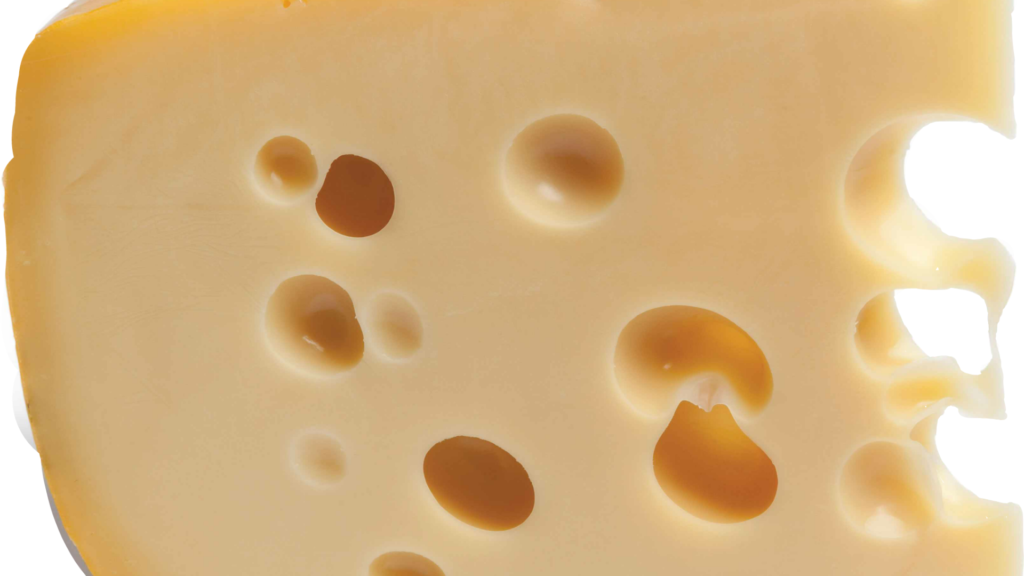
- Why holes don’t matter as much as you think: Emmental’s cooking performance comes from its moisture, fat, acidity, calcium balance, protein structure, and aging—not the holes.
Where Emmental Substitution Fits in Real Life
When you’re cooking at home, you’re usually just wondering, “What tastes similar?” But recipe developers and restaurant chefs ask bigger questions: Will this melt, emulsify, brown, stretch, and season the dish the same way?
This decision touches recipe development, dairy science, shopping, menu pricing, allergens, and how the dish actually tastes. In restaurants, it also affects what they buy—imported Emmentaler AOP, regular Swiss cheese, or French Alpine options all sit in different price and availability ranges.
Switching to Gruyère, Comté, or Raclette can change food costs because of differences in aging, origin, and import prices. That often means tweaking recipe costs, portions, menu prices, or blend ratios instead of a straight one-for-one swap.
Direct Answer
The best substitutes for Emmental in cooking are Jarlsberg, Gruyère, Comté, Swiss-style cheese, Fontina, Raclette, Appenzeller, Gouda, and Maasdam. In most recipes, you can do a straight 1:1 replacement by weight, then adjust salt and heat as needed—different cheeses vary in moisture, sharpness, and melting speed.
Remember, Emmental isn’t just “mild Swiss cheese with holes.” It’s a cooked, pressed, cow’s-milk Alpine-style cheese shaped by fermentation and aging. It’s made with thermophilic lactic acid bacteria and propionic acid bacteria, which create both the flavor and those signature gas holes.
Why Emmental Is Trickier to Replace Than It Seems
Most lists simply say use Gruyère, Jarlsberg, or Swiss cheese—and that’s not wrong, but it’s not the full picture. Emmental does three things at once: it melts smoothly, adds mild nutty sweetness, and supports sauces or fondue without taking over. A substitute might match one of those but miss the others.
True Emmentaler AOP is traditionally made from raw cow’s milk and aged at least four months. “Swiss cheese” in stores is often just an Emmental-style cheese, so it might look the part but lack the same depth, aging, or melting consistency.
What a Good Substitute Needs to Copy
A solid Emmental replacement should match these five cooking traits:
- Mild nutty flavor (no cheddar-like sharpness).
- Moderate sweetness from Alpine-style fermentation.
- Smooth melting without oily separation.
- Enough structure to slice, grate, and brown nicely.
- Low-to-moderate salt so it doesn’t throw off quiche, fondue, or gratin.
Holes are just visual evidence of fermentation—they’re not why it cooks well. Melting depends on pH, calcium balance, and the relationship between bound and soluble calcium in the cheese.
The 9 Perfect Emmental Cheese Substitutes
1. Jarlsberg — Best Overall Substitute Jarlsberg is the safest one-for-one replacement for everyday cooking. It’s mild, nutty, slightly sweet, and melts beautifully in sandwiches, quiches, sauces, and baked dishes. Both cheeses are semi-hard with great melting behavior, so they’re often compared.
Use it in grilled cheese, croque monsieur, breakfast bakes, quiche, burgers, gratins, and cheese sauces—especially when you want that Swiss-style taste without anything too aggressive.
Best ratio: 1:1 by weight. Watch out: It can be a touch sweeter and creamier, so ease up on added cream in rich sauces.
2. Gruyère — Best for Fondue and Savory Depth Gruyère isn’t identical, but it’s often the most useful upgrade when you want deeper Alpine flavor. It’s nuttier, more savory, and usually saltier. Traditional fondue often pairs it with Emmental because they balance each other perfectly—Gruyère for depth, Emmental for rounded structure.
Use it in fondue, French onion soup, gratins, soufflés, savory tarts, and baked pasta.
Best ratio: ¾ Gruyère + ¼ mild cheese for delicate dishes; 1:1 in gratins. Watch out: It can overpower eggs in quiche or omelets where Emmental stays gentle.
3. Comté — Best for Gratin, Tarts, and Baked Dishes Comté is a French Alpine cheese with nutty, buttery, and sometimes fruity notes. It brings more complexity than Emmental while still melting well—perfect wherever browning and aroma shine, like potato gratin, ham-and-cheese crêpes, tartiflette-style dishes, savory pastries, and baked sandwiches.
It often works better than Gruyère when you want layered flavor without as much salt, while keeping a gentle dairy sweetness.
Best ratio: 1:1 by weight. Watch out: Choose younger Comté for quiche—aged versions can feel too intense for mild egg dishes.
4. Swiss-Style Cheese — Best Budget Substitute Supermarket Swiss-style cheese is a practical choice when Emmental is unavailable or pricey. It gives the right look, mild flavor, and sliceable texture for sandwiches, casseroles, and melts. Just remember it’s a broad category and may not match the depth of real AOP Emmentaler.
Use it in burgers, deli melts, baked ham sandwiches, casseroles, and quick mornay sauces.
Best ratio: 1:1 by weight. Watch out: Some melt rubbery or taste bland—test a slice in a warm pan before fondue.
5. Fontina — Best for Creamy Sauces Fontina melts into a soft, creamy texture that surprises a lot of people. It may not taste exactly like Emmental, but it shines in sauces, pasta fillings, and casseroles.
In sauces, texture can matter more than origin—Fontina can actually outperform a closer-tasting cheese when you need smooth flow.
Best ratio: 1:1 by weight. Watch out: It’s richer, so gratins can feel heavier. Add a bit of Parmesan or Gruyère for extra top-note flavor if needed.
6. Raclette — Best for Gooey Melt Raclette delivers that dramatic, glossy melt and is perfect for heating over potatoes, bread, or vegetables. It’s more aromatic, softer, and assertive than Emmental.
Use it in toasted sandwiches, potato bakes, burgers, flatbreads, melted cheese boards, and winter casseroles.
Best ratio: 1:1 in melted dishes; ½ Raclette + ½ Jarlsberg for milder recipes. Watch out: Its aroma can overpower quiche, soufflé, or delicate chicken dishes.
7. Appenzeller — Best for Stronger Alpine Flavor When Emmental feels too mild, Appenzeller steps up with sharper, herbal, pungent Alpine character. Great with potatoes, onions, ham, mustard, rye bread, or beer.
Use it in gratins, fondue blends, savory breads, onion tarts, and cheese sauces for roasted vegetables.
Best ratio: ½ to ¾ Appenzeller + ¼ to ½ mild cheese. Watch out: Skip a full 1:1 in mild dishes unless you want a bolder cheese presence.
8. Gouda — Best Mild Non-Alpine Substitute Young Gouda isn’t a perfect flavor match, but it works well when you need mildness, good melt, and easy availability. It’s sweeter and less nutty, with a round dairy flavor.
Use young Gouda in casseroles, grilled cheese, burgers, pasta bakes, and kids’ meals where strong Alpine notes would be too much.
Best ratio: 1:1 by weight. Watch out: Skip aged Gouda—it crystallizes, browns fast, and tastes caramel-like instead of clean and nutty.
9. Maasdam — Best Emmental-Style Alternative Maasdam is a Dutch Swiss-style cheese with holes, mild sweetness, and solid melting. Think of it as a softer, slightly sweeter cousin to Emmental—handy when Jarlsberg isn’t around.
Use it in sandwiches, toasties, omelets, quiches, gratins, and cheese sauces.
Best ratio: 1:1 by weight. Watch out: It can be sweeter and less complex, so pair it with mustard, white pepper, nutmeg, or a little Gruyère in savory dishes.
Why Some Cheeses Melt Better Than Others
Melting comes down to water, fat, protein structure, acidity, calcium balance, salt, and age. Higher moisture and fat help it flow; longer aging boosts flavor but can lead to oiling off.
“Melts” isn’t one thing—some cheeses flow (Fontina), stretch (mozzarella), brown and flavor (Gruyère), or mimic mild Emmental melt (Jarlsberg). Pick based on the job the cheese needs to do.
Which Substitute Works Best for Each Dish?
| Dish Type | Best Substitute | Why It Works | Avoid |
|---|---|---|---|
| Fondue | Gruyère + Jarlsberg | Balances savory depth with mild elasticity | Very aged Gouda alone |
| Quiche | Jarlsberg or young Comté | Mild, nutty, doesn’t overpower eggs | Appenzeller alone |
| Gratin | Comté or Gruyère | Browns well and adds depth | Bland Swiss-style cheese |
| Cheese sauce | Fontina + Jarlsberg | Smooth flow plus Swiss-style flavor | Dry aged cheeses alone |
| Grilled sandwich | Jarlsberg, Raclette, Gouda | Reliable melt and sliceability | Hard aged cheese slices |
| Savory tart | Comté or Jarlsberg | Holds structure without harshness | Raclette if delicate |
| Burger melt | Raclette or Swiss-style | Fast melt over high heat | Strong Appenzeller |
Practical Tips for Substituting Without Ruining Dinner
- Weigh it. A cup of grated cheese weighs differently depending on shred size and moisture. Use 100g of substitute for every 100g of Emmental.
- Blend when it matters. A 70:30 mix often beats a single cheese (e.g., 70% Jarlsberg + 30% Gruyère). In sauces, try 60% Fontina + 40% Jarlsberg.
- Go gentle on heat. Add cheese to sauces after the base thickens and keep heat low—high heat can break the emulsion, especially with older cheeses.
- Use strong cheeses as accents. Aged varieties like Parmesan or Comté boost flavor best when paired with a better-melting cheese rather than replacing Emmental entirely.
In real kitchens, the challenge usually shows up at the heating stage—different cheeses release fat and water at different rates. Blending one melt-friendly cheese (Jarlsberg or Fontina) with one flavor cheese (Gruyère, Comté, or Appenzeller) is a smart move, especially for fondue and mornay sauces.
Some cooks prefer one simple substitute for ease (Jarlsberg or Maasdam). Others like blends because Emmental itself plays multiple roles. Both approaches work—use one cheese for sandwiches and casseroles, blends for sauces and fondue where texture is critical.
A Few Limitations to Keep in Mind
No substitute perfectly copies Emmentaler AOP because of rules around origin, milk, cultures, aging, and production. The main cooking risks are oil separation, too much salt, overpowering pungency, or poor browning. When buying, remember not all “Swiss cheese” behaves the same.
For lactose-sensitive folks, many aged hard cheeses are low in lactose, but always check the specific product label.
FAQ
What is the closest cheese to Emmental? Jarlsberg is usually the closest everyday substitute because it is mild, nutty, slightly sweet, sliceable, and melts well.
Can I use Gruyère instead of Emmental? Yes. Gruyère works especially well in fondue, gratins, and baked dishes, but it is usually stronger and more savory than Emmental.
What is the best Emmental substitute for fondue? Use a blend of Gruyère and Jarlsberg. Gruyère adds depth; Jarlsberg keeps the flavor mild and Emmental-like.
Can mozzarella replace Emmental? Mozzarella can replace the melt but not the flavor. It is better for stretch than for nutty Alpine taste.
Is Swiss cheese the same as Emmental? Not always. Emmental is a specific Swiss-type cheese, while “Swiss cheese” in many markets can mean a broader Emmental-style product.
What is the best non-Swiss substitute for Emmental? Comté is the best non-Swiss Alpine-style substitute for flavor and baking. Fontina is the best non-Swiss substitute for creamy melting.
Can cheddar replace Emmental? Cheddar can work in casseroles, but it changes the dish. It is sharper, tangier, and less Alpine in flavor, so it is not ideal for fondue or quiche.
What substitute should I use for quiche? Use Jarlsberg, young Comté, or mild Swiss-style cheese. Avoid very strong Appenzeller or Raclette unless the filling includes bold ingredients such as ham, onion, or mustard.
Wrapping It Up
The best Emmental substitute depends on the job it needs to do in the dish. Reach for Jarlsberg for the closest all-purpose match, Gruyère for depth, Comté for baked dishes, Fontina for sauces, Raclette for gooey melt, Appenzeller for intensity, Gouda for mild accessibility, Maasdam for Emmental-style sweetness, and Swiss-style cheese for budget cooking.
Bottom line: Don’t just replace the name—replace the function. Match the melt, flavor strength, salt, moisture, and browning, and your dish will turn out right even if the cheese isn’t identical. Happy cooking!