
The Quick Takeaway
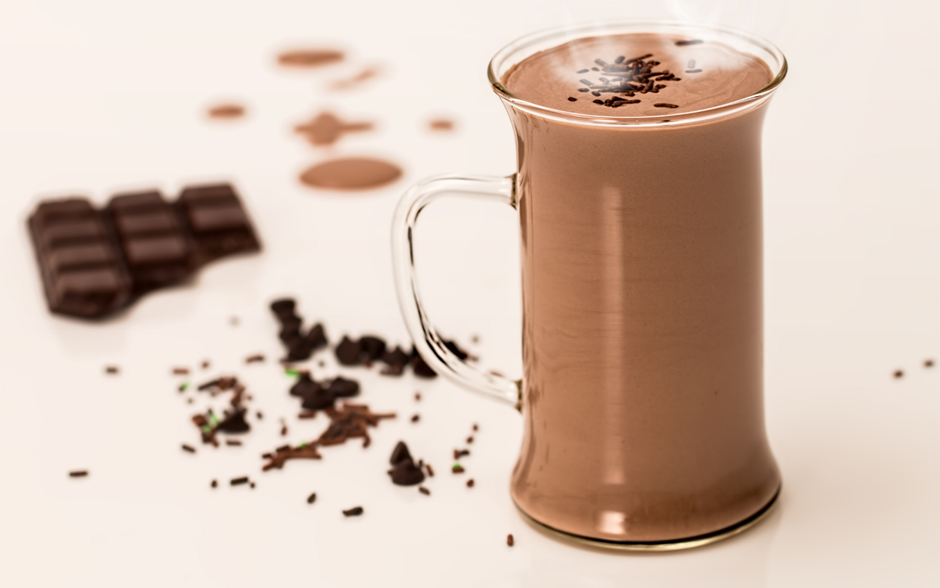
Yoo-hoo Original Chocolate Drink isn’t intentionally caffeinated, but it does contain a tiny amount of naturally occurring caffeine from cocoa. According to Keurig Dr Pepper’s product facts page, a 15.5 fl oz Yoo-hoo Chocolate Flavored Drink has about 2 mg of naturally occurring caffeine.
Most people treat it as “caffeine-free” for everyday purposes because that amount is so small. But if you’re being precise—especially for kids, caffeine-sensitive folks, or strict avoidance—it’s more accurate to say it’s almost caffeine-free, not completely zero.
The real confusion comes down to the difference between added caffeine and the natural stuff that comes from cocoa. For most adults, the bigger concern is usually the sugar and serving size, not the caffeine. The FDA considers up to 400 mg per day generally fine for most healthy adults, so 2 mg is negligible in that context.
Practical rule of thumb: Treat Yoo-hoo as caffeine-negligible for normal use, but don’t call it absolutely caffeine-zero in the strictest chemical sense.

Why This Question Comes Up So Often
This topic sits right at the crossroads of how beverages are labeled, what’s actually in chocolate drinks, parenting choices, and sleep habits. Parents, pediatric dietitians, school lunch planners, and anyone watching their caffeine intake all end up asking the same thing when comparing Yoo-hoo to soda or energy drinks.
The short version most people hear is “Yoo-hoo is caffeine-free.” The more complete picture is that it’s functionally caffeine-free for most situations, but the chocolate version contains trace amounts from cocoa.
Chocolate products work differently from coffee or cola. Cocoa beans naturally contain caffeine, and the amount in the final product depends on how much cocoa is used. Dark chocolate has more, milk chocolate has less, and white chocolate has none. Yoo-hoo is a lightly chocolate-flavored drink with low cocoa solids, which is why its caffeine level stays so low—but “low” still isn’t exactly “zero.”
Added Caffeine vs. Naturally Occurring Caffeine
This is the key distinction that clears up most of the confusion:
| Term | Meaning | Yoo-hoo Relevance |
|---|---|---|
| Added caffeine | Caffeine intentionally added as an ingredient | Yoo-hoo Chocolate does not appear to be positioned this way |
| Naturally occurring caffeine | Caffeine present inside ingredients like cocoa, tea, coffee, or guarana | Yoo-hoo Chocolate may contain this because it uses cocoa |
| Caffeine-free (casual use) | So low that most consumers do not treat it as caffeinated | Often how Yoo-hoo is described |
| Caffeine-zero | No caffeine detectable or expected | Not the safest technical description for chocolate Yoo-hoo |
If caffeine isn’t added, people often assume the drink has none. But cocoa brings its own small amount along for the ride. That’s why Yoo-hoo’s caffeine level feels closer to chocolate milk than to cola.
How Cocoa Brings Caffeine Into the Drink
Cocoa solids contain natural stimulants like caffeine and theobromine. When manufacturers use cocoa in a beverage, a bit of that caffeine ends up in the final product. The exact amount depends on the cocoa concentration, processing, and serving size.
For reference:
- 1 oz of milk chocolate ≈ 5.6 mg caffeine
- 1 cup of chocolate milk ≈ 2.5 mg
- 1 tablespoon unsweetened cocoa powder ≈ 12.4 mg
Yoo-hoo’s reported 2 mg per 15.5 fl oz fits right into this pattern—diluted and low-cocoa, so the number stays minimal.
How Yoo-hoo Compares to Other Drinks
| Drink or Food | Typical Caffeine Pattern | Practical Interpretation |
|---|---|---|
| Yoo-hoo Chocolate, 15.5 fl oz | Approx. 2 mg naturally occurring caffeine | Trace level |
| Chocolate milk, 1 cup | Around 2.5 mg in USDA-linked examples | Similar category |
| Milk chocolate, 1 oz | Around 5.6 mg | Still low |
| Cola, 12 oz | Around 33 mg | Noticeably caffeinated |
| Brewed coffee, 1 cup | Around 92 mg | Primary caffeine source |
(Sources: Keurig Dr Pepper product facts for Yoo-hoo; INTEGRIS Health’s USDA-linked chocolate caffeine examples.)
For caffeine purposes, Yoo-hoo sits much closer to chocolate milk than to soda. When it comes to sugar and calories, though, it’s still a sweetened drink.
What This Means in Real Life
- For most adults: That 2 mg is too tiny to matter in your daily caffeine budget. You can enjoy it without worrying about it stacking up.
- For children: The caffeine is minimal, but treat it like any sweetened beverage—watch frequency, portion size, and timing.
- For caffeine-sensitive people: Don’t assume “chocolate drink” automatically means zero caffeine. Cocoa-based products can still have small traces.
- For strict caffeine avoidance: Go for non-cocoa options. White chocolate-style drinks without cocoa solids are usually truly caffeine-free, while Original Chocolate Yoo-hoo uses cocoa-derived flavoring.
Practical Decision Guide
| User Situation | Common Recommendation | Better Decision Logic | Hidden Trade-Off |
|---|---|---|---|
| Adult avoiding coffee-level caffeine | Yoo-hoo is fine | Treat it as caffeine-negligible | Sugar may matter more than caffeine |
| Child before bed | “It has almost no caffeine” | Consider sugar, portion size, and sleep routine | Low caffeine does not mean sleep-neutral |
| Strict medical caffeine avoidance | “Only 2 mg, ignore it” | Ask clinician; choose non-cocoa drinks if zero is required | Trace amounts can matter in strict protocols |
| Comparing with soda | Yoo-hoo is less caffeinated | Correct for caffeine, but compare sugar separately | One advantage does not make it nutritionally superior |
| Tracking caffeine in an app | Enter as zero | Enter 1–2 mg if precision matters | Overprecision may not change real behavior |
What Professionals Pay Attention To
- Caffeine per serving: How many milligrams are actually in the package you drink.
- Added vs. natural: Helps clarify if it’s a stimulant drink or just trace from cocoa.
- Serving size consumed: A small carton vs. a big bottle makes a difference.
- Sleep timing: Even low caffeine can combine with sugar or routine changes.
- Label consistency: Matching what the package, website, and store say reduces mix-ups.
A Note From Experience
In real life, the challenge often isn’t the 2 mg itself—it’s how people interpret labels. Many parents and sensitive folks lump “caffeine-free,” “no added caffeine,” and “trace natural caffeine” together. A helpful approach is sorting drinks into three buckets: caffeinated, trace-caffeine, and strict zero-caffeine needed. It keeps things balanced without unnecessary worry.
Expert Perspectives
Some nutrition pros say 2 mg is clinically irrelevant for almost everyone—way below coffee, tea, cola, or even regular chocolate. Others are stricter with kids, pregnancy, anxiety, or sleep issues, preferring clearer labeling so trace amounts aren’t overlooked. Both sides make sense depending on the situation. For daily life, Yoo-hoo is effectively caffeine-free. For absolute avoidance, calling it trace-caffeinated from cocoa is more accurate.
A Few Limitations to Keep in Mind
Caffeine content can vary slightly by package size, flavor, formulation, or even country. The 2 mg figure is specific to the listed Yoo-hoo Chocolate Flavored Drink. Always check current product facts for your exact version.
Also, low caffeine doesn’t automatically make something a health drink—sugar content and overall nutrition still matter. When in doubt, the manufacturer’s product facts page is the most reliable source over general retail descriptions.
FAQ
Does Yoo-hoo have caffeine, yes or no? Yes, the chocolate version can contain a tiny amount of naturally occurring caffeine from cocoa. Keurig Dr Pepper lists about 2 mg in a 15.5 fl oz Yoo-hoo Chocolate Flavored Drink.
Is Yoo-hoo considered caffeine-free? In everyday use, many people treat Yoo-hoo as caffeine-free because the amount is extremely small. Technically, “trace caffeine from cocoa” is more accurate for Original Chocolate.
Why does Yoo-hoo have caffeine if caffeine is not added? Because cocoa naturally contains caffeine. Any cocoa-based product can contain a small amount depending on cocoa solids and formulation.
Is Yoo-hoo safe for kids from a caffeine perspective? From a caffeine perspective, it is very low. The more practical concern for kids is how often they drink it, the serving size, and its sugar content.
Can Yoo-hoo keep you awake? For most people, the caffeine amount is unlikely to cause wakefulness. However, sleep-sensitive people may still react to sugar, routine, or chocolate compounds.
Does strawberry Yoo-hoo have caffeine? Non-chocolate flavors are less likely to contain cocoa-derived caffeine, but the safest answer is to check the current product facts for that exact flavor and package.
How much caffeine is in Yoo-hoo compared with coffee? A 15.5 fl oz Yoo-hoo Chocolate is listed at about 2 mg, while a cup of brewed coffee is commonly around 92 mg in cited comparisons.
Wrapping It Up
Yoo-hoo Chocolate does contain caffeine in the strict sense—but only a trace amount from cocoa. The best answer isn’t a simple yes or no. It’s this: Yoo-hoo has no meaningful added caffeine, but Original Chocolate has about 2 mg of naturally occurring caffeine per 15.5 fl oz.
For normal caffeine tracking, it’s basically negligible. For strict avoidance, it’s not the purest zero option because of the cocoa. Enjoy it wisely, and