
Hey there, fellow plant (and carrot!) lovers. If you’ve ever wondered whether that crunchy orange vegetable in your fridge is technically a root or a stem, you’re not alone. It’s one of those questions that sounds simple in school but gets surprisingly interesting once you dig a little deeper.
The Short Answer Most of Us Need
In everyday botany and school biology, a carrot is classified as a root — specifically, an edible storage taproot. That’s the answer you’ll want for exams, quizzes, or casual conversations.
But if you want the fuller, more accurate picture (without overcomplicating things), here’s the nuance: the edible part of the carrot develops from the primary taproot plus some hypocotyl tissue. So while it’s overwhelmingly a root, the swollen upper portion isn’t made of “pure root tissue only.”
That’s why some explanations feel a bit contradictory — they give the correct classroom answer but skip the finer botanical detail.
Why This Matters (Even If You’re Not a Botanist)
At first glance, you might think: “It grows underground, so it’s a root, right?” Not quite. Potatoes grow underground too, but they’re modified stems (tubers). The real way botanists tell the difference isn’t just location — it’s about structure and developmental origin.
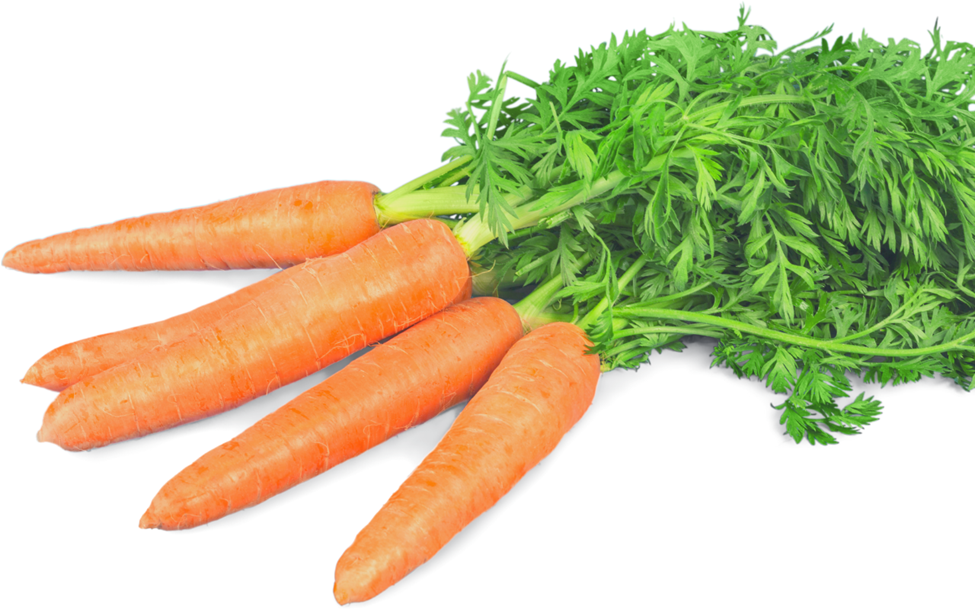
True roots don’t have nodes or internodes. They don’t directly produce leaves or flowers. And they have root-specific features like a root cap. Carrots check all those boxes. They lack the buds, nodes, and leaf scars you’d see on underground stems like potatoes or rhizomes.
The interesting part? Even though part of the carrot comes from the hypocotyl (which is technically part of the embryonic shoot), the whole storage organ behaves and is organized like a classic taproot system. That’s why it’s still taught — and correctly classified — as a root.
Common View vs. Refined Insight
Common View: A carrot is a root because it grows underground and stores food.
Refined Insight: Growing underground isn’t enough to call something a root. What matters are the structural markers. Carrots don’t show stem features like buds or nodes, and they’re built like a taproot system with lateral roots.
Common View: The edible carrot is simply a taproot.
Refined Insight: It’s best described as the primary root axis, with the upper swollen part including some hypocotyl-root transition zone. Many plant scientists refer to it as developing from the taproot plus hypocotyl.
How a Carrot Actually Develops
Carrots are biennial plants. In their first year, they focus on growing leaves above ground while pumping energy down into an enlarged underground organ to store carbohydrates. In the second year, that stored energy fuels flowering and seed production.
During germination, the radicle becomes the primary root, and the hypocotyl forms the short axis between the root and the seed leaves. In carrots, this underground axis thickens up beautifully as the plant sends sugars down from the leaves. The result? That familiar, crunchy carrot we all love.
Even with the hypocotyl contribution up top, the organ still functions and looks like part of a taproot system — not an underground stem.
Why the Distinction Actually Matters
This isn’t just academic hair-splitting. Understanding that we’re dealing with a storage root (not a stem tuber) affects real-world things like:
- Crop breeding programs
- Genetics of root shape
- Quality testing
- Harvest performance
Breeders are selecting traits in a storage root system — things like shape, diameter, and internal tissue patterns — not stem architecture.
Quick Comparison Table
| Question | Generic Answer | Better Botanical Answer | Why the Distinction Matters |
|---|---|---|---|
| Is carrot root or stem? | Root | Root, specifically a storage taproot | Correct for exams and basic classification |
| Is the edible part pure root tissue? | Yes | Not entirely; upper portion includes hypocotyl contribution | Improves morphological accuracy |
| Why isn’t carrot a stem like potato? | Because it grows in soil | Lacks buds, nodes, internodes, and leaf scars; behaves as taproot | Separates true roots from underground stems |
| What is the main function of the carrot organ? | Food storage | Food storage for biennial growth and later reproduction | Connects anatomy to plant life cycle |
| What do breeders actually optimize? | Bigger carrot | Storage-root shape, diameter, tissue patterning, stress response | Links classification to agriculture and genetics |
Practical Tips for Different Situations
- For school exams: Keep it simple — “Carrot is a modified taproot used for storage of food.” That’s the safe, accepted answer.
- For deeper discussions (like a botany class or curious garden chat): You can add, “The swollen edible part includes some hypocotyl in the upper region, but it’s still classified as a root vegetable because the storage organ is taproot-dominant and lacks any stem markers.”
In the classroom, teachers often face a tricky balance. Students learn that the hypocotyl belongs to the embryonic shoot axis, yet we’re still calling the carrot a root. The cleanest way is to give two layers: the classification answer (root) and the developmental nuance (hypocotyl + taproot axis). It keeps things accurate without creating confusion.
A Note on Terminology
You’ll sometimes see slight differences across sources. Some gardening materials talk about the “edible hypocotyl” more loosely, while strict botany texts emphasize the taproot. These aren’t really contradictions — they’re just different levels of precision depending on the audience.
FAQ Section
Is carrot a root or stem in Class 6, 7, or 11 biology? A carrot is taught as a root, specifically a modified storage taproot.
Why do some sources mention the hypocotyl? Because the upper swollen part of the edible carrot develops from the hypocotyl-root axis, not from root tissue alone.
Is carrot a taproot? Yes. In standard classification, carrot is a fleshy storage taproot.
Why is potato called a stem but carrot called a root? Potato tubers have buds and nodes, which are classic stem features. Carrots lack those stem markers and fit root morphology perfectly.
Does carrot have nodes or internodes? No. Roots don’t have the node-internode pattern typical of stems.
Is the entire carrot underground organ a stem? No. The carrot crop organ is classified as a root storage organ, even though the upper portion includes hypocotyl tissue.
Wrapping It Up
So, is a carrot a root or a stem? The correct botanical answer is root — more specifically, a storage taproot.
The slightly more complete version is that the edible carrot develops from a taproot-dominant primary root axis, with some hypocotyl contribution near the top. That extra detail doesn’t make it a stem; it just makes our understanding a little richer and more accurate.
Whether you’re helping your kid with homework, teaching a class, or just geeking out over garden veggies, now you’ve got both the simple answer and the thoughtful nuance. Happy carrot munching (and learning)!