
The Bottom Line
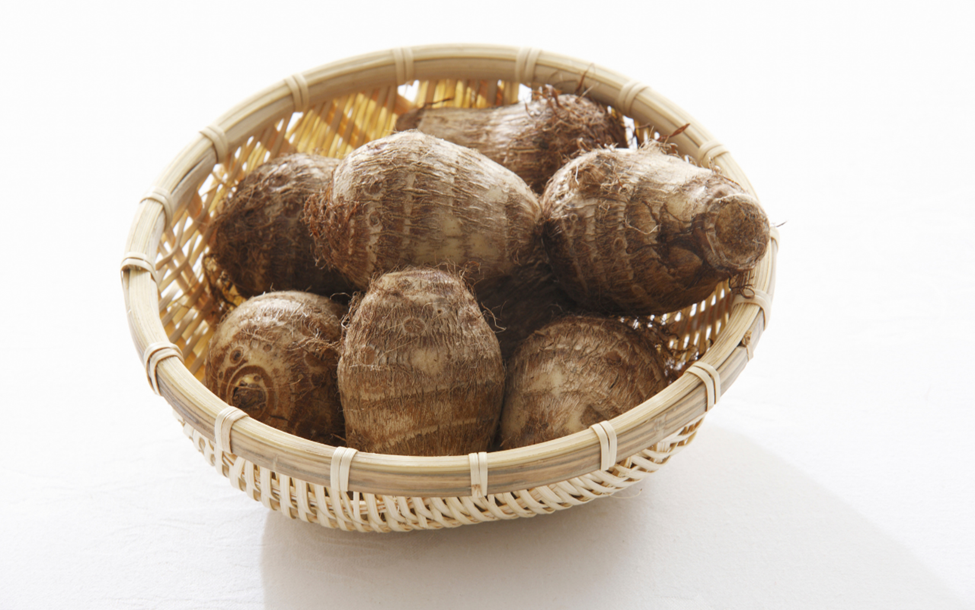
Taro root itself has 0 mg caffeine. USDA-derived nutrition databases list caffeine and theobromine at 0 mg for raw taro.
The real catch? It’s usually not the taro — it’s how it’s served. Taro milk tea, taro lattes, and taro boba can easily contain caffeine when they’re made with black tea, green tea, matcha, coffee, chocolate, or energy-style additives.
Most people say, “Taro is caffeine-free.” That’s true for plain taro, but the more helpful way to think about it is: “Plain taro is caffeine-free, but taro-flavored beverages are only caffeine-free when the base is caffeine-free.”
Taro powder isn’t automatically safe either. Many are flavored mixes that can include sugar, creamer, colorants, flavoring, or even tea-based ingredients. Always check the ingredient list — the word “taro” on the front doesn’t tell the whole story.
Taro doesn’t give you stimulant energy. Any lift you feel comes from its starchy carbohydrates, not caffeine or other methylxanthines.
Most articles stop at the root question. They miss the practical café rule: always ask whether the drink uses tea, coffee, matcha, cocoa, guarana, yerba mate, or added caffeine.
For solid info, FoodData Central is your best friend for plain-food nutrient data, and FDA guidance helps with caffeine safety and labeling.
If you’re caffeine-sensitive, treat “taro milk tea” as uncertain until you know the base. The same taro flavor in a bubble tea shop can be a creamy caffeine-free milk drink or a caffeinated tea drink — it just depends on the recipe.
Where the “Taro Caffeine” Question Really Lives
This isn’t just nutrition trivia. It touches four everyday areas that actually matter:
Food composition databases Plain taro is evaluated as a root crop, not a stimulant plant.
Café and bubble tea operations Caffeine depends on the recipe: taro flavor + liquid base + optional toppings.
Food labeling and compliance Ingredient lists may mention caffeine-containing ingredients, but the total amount isn’t always clear to customers.
Consumer health decisions Pregnant people, children, caffeine-sensitive adults, and anyone dealing with anxiety, insomnia, arrhythmias, or medication interactions need more precision than “probably caffeine-free.”
Direct answer: No, plain taro does not have caffeine. It’s a starchy root vegetable, and USDA-derived listings show 0 mg caffeine for both raw and cooked taro.
The important catch is that taro-flavored drinks may contain caffeine if they’re made with black tea, green tea, matcha, coffee, cocoa, guarana, yerba mate, or added caffeine. The taro itself is caffeine-free; the drink base might not be.
Why People Get Confused About Taro and Caffeine
Taro shows up everywhere — in desserts, smoothies, lattes, bubble tea, ice cream, chips, and snack bars. In cafés, you’ll often see “taro” right next to “milk tea,” and that’s where the mix-up happens. “Milk tea” usually means brewed tea, which naturally contains caffeine from Camellia sinensis leaves. Caffeine also comes from coffee beans, cacao, kola, yerba mate, and guarana.
Common view: Taro drinks are caffeine-free because taro is caffeine-free. Refined insight: Taro drinks are caffeine-free only when taro is mixed with milk, water, non-caffeinated creamer, ice, or a caffeine-free base. When it’s added to tea, the drink picks up caffeine from the tea.
This matters because caffeine tolerance varies a lot. The FDA says up to 400 mg per day is generally fine for most adults, but sensitivity and how we metabolize it differ widely.
Taro Root vs. Taro Flavor vs. Taro Milk Tea
Plain taro is a root crop (usually Colocasia esculenta). You eat it boiled, steamed, fried, mashed, baked, or turned into flour. Think potato, yam, or cassava — not coffee or tea. Its calories come mainly from starch, not alkaloid stimulants. USDA data shows raw taro is mostly water and carbohydrate, with caffeine at 0 mg.
Taro flavor is a different story. Commercial taro powder might contain taro powder, taro flavoring, sugar, non-dairy creamer, milk solids, stabilizers, purple coloring, or other ingredients. Some are more flavor systems than actual dehydrated root. That doesn’t mean they have caffeine, but the ingredient panel is what you need to trust.
Taro milk tea is a recipe, not a single ingredient. It can include brewed black tea, green tea, oolong, jasmine tea, milk, creamer, taro powder, taro paste, syrup, tapioca pearls, pudding, or ice. If tea is in there, so is caffeine — unless it’s decaf.
Common view: “Taro milk tea usually has no caffeine.” Refined insight: “Taro milk tea has no caffeine only when ‘milk tea’ is being used loosely to mean a milky drink without actual tea.”
Why Taro Doesn’t Naturally Contain Caffeine
Caffeine is a methylxanthine compound made by certain plants as part of their secondary metabolism. It’s common in coffee, tea, cacao, kola, guarana, and yerba mate, where it can act as a defense against insects or microbes.
Taro isn’t in that group. Its value is structural and caloric — starch, fiber, water, minerals, and a bit of protein. The main safety note with taro isn’t caffeine but proper cooking, especially for leaves and some raw parts that contain irritating calcium oxalate crystals. Raw taro leaves can be toxic or irritating unless cooked well.
Common view: Taro is caffeine-free because it’s a vegetable. Refined insight: Taro is caffeine-free because it’s not a methylxanthine-producing stimulant plant. Its food chemistry is about starch and handling oxalates, not caffeine.
Does Each Taro Product Have Caffeine?
| Taro Product | Likely Caffeine? | Practical Rule |
|---|---|---|
| Boiled or steamed taro root | No | Plain root has 0 mg caffeine in USDA-derived listings. |
| Taro chips | Usually no | Check for tea, cocoa, coffee, or added caffeine, but plain salted chips should not contain caffeine. |
| Taro dessert paste | Usually no | Confirm if mixed with chocolate, coffee, matcha, or tea flavor. |
| Taro powder | Depends | Read the ingredient list; “taro flavor” does not guarantee a pure root powder. |
| Taro smoothie | Usually no | Caffeine-free if blended with milk, water, ice, or fruit only. |
| Taro milk tea | Depends | Caffeinated if made with black, green, oolong, jasmine, or matcha tea. |
| Taro latte | Depends | Caffeine-free if milk-based; caffeinated if espresso, matcha, or tea is added. |
| Taro boba | Depends | Tapioca pearls are caffeine-free; the drink base determines caffeine. |
The single best question to ask at a café: “Is the taro drink made with tea or coffee, or is it just taro powder/paste with milk?” That usually clears everything up.
How This Affects Real Life
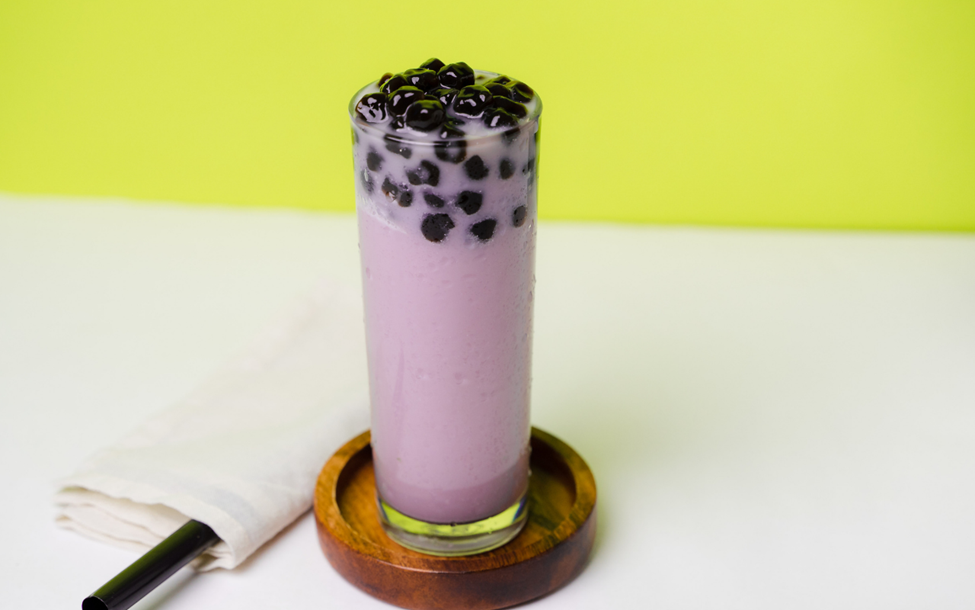
Switching the drink base can impact sleep, pregnancy caffeine tracking, kids’ drinks, and diets for people on certain medications. That’s why cafés should clearly separate “taro milk drink” from “taro milk tea,” and why customers avoiding caffeine should ask about the base before choosing toppings or sweetness.
Menus often group drinks by flavor instead of stimulant content, so a taro smoothie and a taro jasmine milk tea might sit right next to each other — even though only one has tea-derived caffeine.
The Taro Caffeine Decision Matrix
| Decision Factor | Low-Risk Choice | Higher-Uncertainty Choice | Non-Obvious Insight |
|---|---|---|---|
| Base liquid | Milk, oat milk, water, coconut milk | Black tea, green tea, oolong, coffee | The base matters more than the taro ingredient. |
| Ingredient form | Fresh taro, taro paste, verified pure taro powder | Flavored taro drink mix | “Taro powder” can be a flavor blend, not just root powder. |
| Menu wording | “Taro smoothie” or “taro milk” | “Taro milk tea” or “taro latte” | “Latte” does not always mean coffee; “milk tea” does not always mean tea, so ask. |
| Caffeine-sensitive ordering | Ask for no tea, no coffee, no matcha | Assume taro milk tea is safe | The common recommendation fails when a café uses tea as the default base. |
| Label confidence | Packaged product with clear ingredient list | Fresh café drink with unpublished recipe | In cafés, staff recipe knowledge replaces the Nutrition Facts panel. |
How to Order Taro Without Caffeine
Ask for a taro milk drink, taro smoothie, or taro slush with no tea, no coffee, and no matcha. That’s clearer than asking if “taro has caffeine,” because staff might only think about the flavor.
For packaged products, watch for these on the ingredients: black tea, green tea, oolong tea, jasmine tea, matcha, coffee, espresso, cocoa, chocolate, cacao, guarana, yerba mate, kola nut, caffeine, or “energy blend.” If none are listed, it’s likely caffeine-free (though shared manufacturing lines can still be a factor).
Common view: Avoid taro milk tea if you avoid caffeine. Refined insight: Don’t avoid taro as an ingredient — just avoid tea-based taro recipes unless the shop can make a non-tea version.
A Quick Note from Experience
In theory, “taro is caffeine-free” sounds simple. In real life, the confusion happens at the counter because bubble tea menus squeeze flavor, base, and style into one name. It helps when staff can answer: “Our taro smoothie has no tea, but our taro milk tea uses green tea.” That’s way more useful than a simple yes or no.
Why Experts Sometimes Disagree
Food-composition pros usually answer from the ingredient: taro root has 0 mg caffeine. That’s correct and backed by databases. Dietitians, café owners, and caffeine-sensitive folks answer from the finished drink: many taro beverages contain caffeine because tea or coffee bases are common. That’s also correct.
The difference isn’t chemistry — it’s the unit of analysis. A lab looks at taro root. You drink the finished beverage. The best answer combines both: taro is caffeine-free, but taro drinks are recipe-dependent.
Limitations and Risks
Caffeine content isn’t always listed numerically on labels. Foods and drinks with caffeine don’t have to declare exact amounts the way medications do.
That means even if your taro milk tea has tea in it, the menu might not say how much caffeine is in the cup. Brew strength, tea type, steep time, serving size, and recipe all affect the final amount. For most healthy adults, small differences may not matter — but for medical, pregnancy, sleep, anxiety, or medication reasons, “small” can still be important.
Also, “decaf” doesn’t always mean zero. Decaffeinated tea and coffee usually still have some caffeine. For strict avoidance, a non-tea, non-coffee base is safer.
FAQ
Does taro root have caffeine? No. Plain taro root has 0 mg caffeine in USDA-derived nutrient listings.
Does taro milk tea have caffeine? Sometimes. It has caffeine if it is made with black tea, green tea, oolong tea, jasmine tea, matcha, coffee, or another caffeine-containing base.
Is taro boba caffeine-free? The tapioca pearls and taro flavor are usually caffeine-free. The drink becomes caffeinated when the base contains tea, coffee, matcha, cocoa, guarana, or added caffeine.
Does taro powder have caffeine? Pure taro powder should not contain caffeine, but commercial taro drink powder may be a flavored mix. Check the ingredient list for tea, coffee, matcha, cocoa, guarana, yerba mate, kola, or caffeine.
Can children drink taro drinks? Plain taro-based drinks without tea or coffee are not caffeinated, but sugar content may still be high. For children, confirm the drink is not made with tea, coffee, matcha, or energy additives.
Is taro good for energy? Taro provides food energy from carbohydrates, not stimulant energy from caffeine. It may feel filling, but it should not produce a caffeine-like alertness effect.
Is taro safe before bed? Plain taro is caffeine-free, so it should not keep you awake through caffeine stimulation. A taro milk tea made with tea or coffee may affect sleep, especially for caffeine-sensitive people.
Wrapping It Up
Taro does not naturally contain caffeine. The root is a starchy food, not a stimulant plant, and USDA-derived nutrition data shows 0 mg caffeine for plain taro. The confusion almost always comes from how it’s used in cafés and bubble tea, where the same taro flavor can end up in either a caffeine-free milk drink or a caffeinated tea-based one.
The simplest, most accurate rule: Taro is caffeine-free. Taro beverages are only caffeine-free when the base is caffeine-free. When ordering, just ask whether the drink contains tea, coffee, matcha, cocoa, guarana, yerba mate, kola, or added caffeine. That one question is far more reliable than asking about taro alone.