
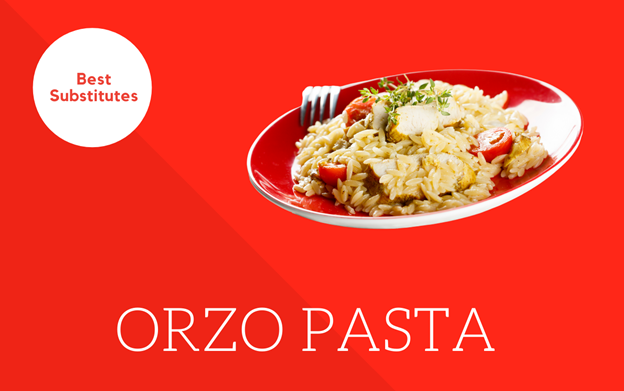
If you’ve ever reached for a box of orzo only to find the pantry empty, you know the panic. The good news? There are some excellent stand-ins that can save your soup, salad, or side dish. But here’s the thing: the “best” substitute isn’t just about finding something that looks similar — it’s about how it behaves in the pot.
The real secret is matching the substitute to what orzo actually does in your recipe — how it absorbs liquid, thickens broth, or holds its shape. Shape matters less than you’d think.
Why Orzo Acts the Way It Does
Orzo is actually a tiny pasta made from durum wheat semolina, not rice. Its magic comes from its small size, moderate gluten, and lots of surface starch that releases quickly when cooked (usually in just 7–9 minutes). That combo gives you good sauce cling, pleasant chew, and the ability to thicken broths without turning gummy.
Most casual guides tell you to just grab rice because it “looks close enough.” But experienced home cooks and chefs know better — texture and starch behavior matter way more than appearance.
The 7 Best Orzo Substitutes
Here are the top contenders, ranked by how well they can step into orzo’s role:
1. Couscous Perfect for quick salads and light side dishes. It hydrates incredibly fast (often by steaming rather than boiling), giving you a lighter, fluffier texture than orzo. The uniform little granules cook evenly and consistently. Downside: It can get clumpy if you’re working with thick sauces.
2. Arborio Rice Your go-to when you want creamy results. Thanks to its high amylopectin content, it naturally thickens broths and soups beautifully. Trade-off: It needs more stirring and isn’t ideal for light, brothy soups where you want things to stay loose.
3. Quinoa A strong gluten-free choice with bonus protein. Its outer saponin layer actually reduces how much starch it releases, so it stays more separate and less “saucy.” Great in cold salads or anytime you want a nutritious boost. Just remember to rinse it well to avoid bitterness.
4. Pearled Barley Surprisingly, this is often the closest match for mouthfeel. Pearling removes the tough bran, so it ends up with a chew that’s very similar to orzo — better than most rices in soups. Many people overlook it, but it’s a quiet superstar.
5. Acini di Pepe Still pasta, but even smaller than orzo. Excellent in brothy soups where you want fine, even distribution of tiny pasta pieces.
6. Small Ditalini Works great in hearty soups and stews. Its slightly larger, hollow shape changes how it holds sauce compared to orzo, but it still performs well in comforting, chunky dishes.
7. Farro A hearty, high-fiber option with a lovely nutty flavor. It brings more chew and nutrition, but it does take noticeably longer to cook, so plan your timing accordingly.
Quick Decision Guide
- Need your soup or broth to thicken naturally? → Go with arborio rice or pearled barley.
- Want grains that stay nice and separate in a salad? → Choose quinoa or couscous.
- Craving that classic pasta feel? → Pick acini di pepe or small ditalini.
- Prioritizing fiber and nutrition? → Farro is your friend.
Comparison Table
| Substitute | Texture Stability | Absorption Speed | Sauce Binding Strength | Operational Complexity |
|---|---|---|---|---|
| Couscous | medium | very fast | low | low |
| Arborio | soft-creamy | medium | high | medium |
| Quinoa | firm-separate | medium | low | medium |
| Barley | chewy-balanced | slow | medium | medium |
| Acini di pepe | very soft | fast | medium | low |
| Ditalini | structured | medium | medium | low |
| Farro | firm | slow | low | higher |
Practical Tips from the Kitchen
- In big batches, arborio can keep releasing starch even after cooking, so it may thicken too much if held for a while. Many cooks slightly undercook it and finish the hydration right before serving.
- Watch out for these common pitfalls:
- Quinoa can taste bitter if not rinsed thoroughly.
- Barley is not gluten-free.
- Couscous clumps easily if it cools the wrong way.
- Farro’s longer cook time can throw off your meal prep rhythm.
- Different rice brands can behave surprisingly differently.
Smaller grains (like orzo and its substitutes) have more surface area, which means they’re easier to overcook — so keep an eye on the clock.
FAQ
What’s the closest substitute for orzo in soup? Pearled barley often gives the most similar mouthfeel thanks to its comparable chew.
Is rice or couscous better than orzo? It depends on the dish. Rice thickens the broth nicely, while couscous keeps the grains more separate.
Which substitutes are gluten-free? Quinoa and rice are naturally gluten-free.
Can I use small pasta shapes instead? Absolutely — acini di pepe and ditalini behave very similarly in terms of starch release.
Which substitute is the healthiest? Quinoa and farro offer higher protein and fiber content.
Why does arborio make everything so creamy? It releases a lot of amylopectin starch during cooking and stirring.
Will the substitute change my cooking time? Yes — barley and farro usually need a noticeably longer simmer.
Final Thoughts
Picking the right orzo substitute isn’t about finding the closest look-alike — it’s about understanding what job orzo was doing in your recipe. Match the substitute’s hydration speed, starch behavior, and texture to the dish, and you’ll get consistently great results.
The “best” choice always depends on whether you’re making a creamy soup, a fresh salad, or a hearty stew. Once you start thinking in terms of function instead of just shape, you’ll never stress about a missing box of orzo again.