
If you’ve ever stood in the grocery aisle wondering whether pepperoni is beef or pork, you’re definitely not alone. The short answer? Traditional pepperoni is usually a mix of both pork and beef, though you can find pork-only, beef-only, and even turkey versions these days.
Pepperoni is essentially a cured, fermented sausage that grew out of Italian salami traditions but got its own American twist. What really matters isn’t just the animal it comes from — it’s the way it’s made.
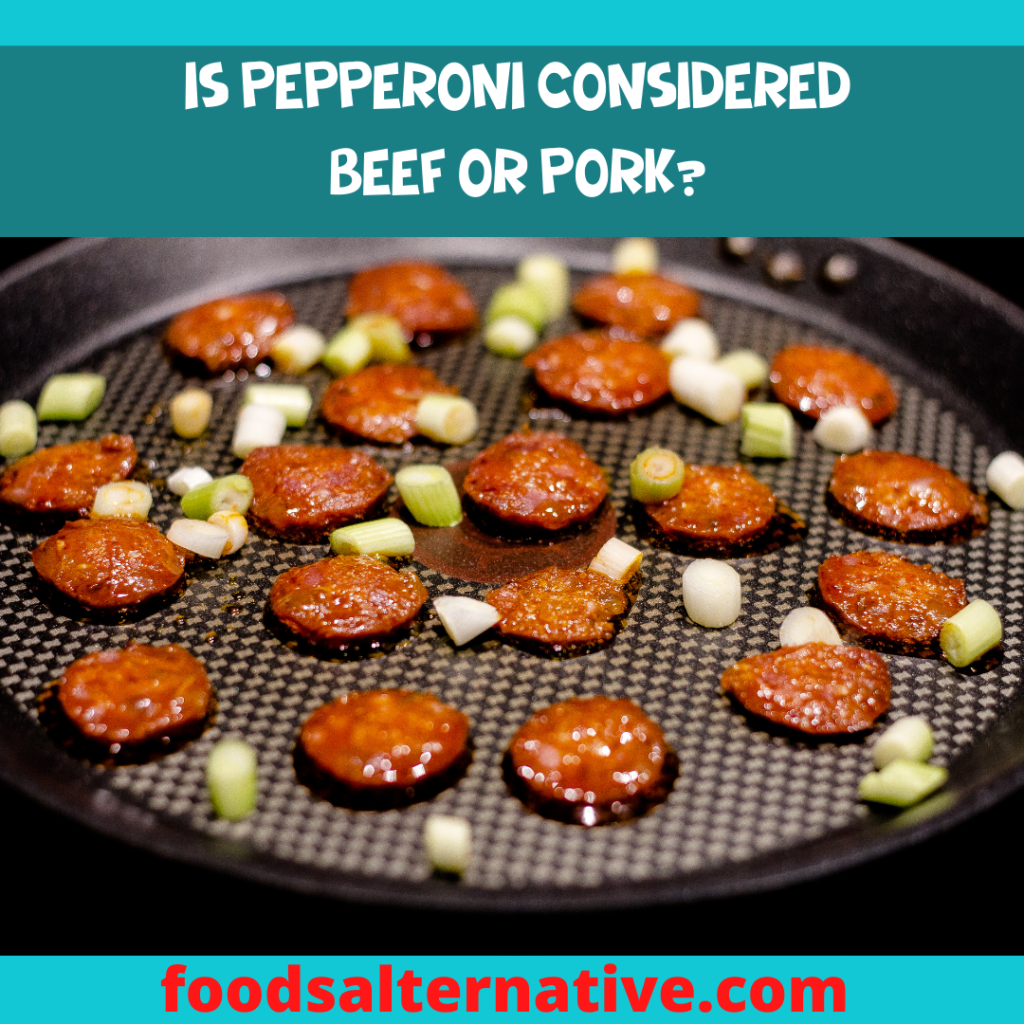
The Quick Takeaway
- Most pepperoni is a blend of pork and beef.
- “Beef pepperoni” must be 100% beef — that’s the law for clear labeling.
- The signature bright red color comes from paprika and the natural curing process, not blood.
- Turkey pepperoni has become really popular because it’s leaner and often more affordable.
- At the end of the day, what truly defines pepperoni isn’t the specific meat — it’s the fermentation chemistry and that perfect 30–35% fat ratio, which gives it that amazing flavor release and crisp on pizza.
Religious or dietary needs? Always check the label carefully. “Pepperoni” by itself doesn’t tell you everything.
Why the Confusion Exists
You’ll see a lot of quick answers online saying “pepperoni is pork and beef,” and that’s technically true. But it misses the real reason manufacturers blend the two meats in the first place.
Pork fat melts at a lower temperature than beef fat. That difference creates the oily surface and those beautifully crisped, cupping edges we all love on pizza. The blend gives the best of both worlds: great flavor diffusion and solid structure. Industrial pepperoni is carefully formulated with about 30–35% fat for exactly this reason — it slices cleanly and performs perfectly when baked.
What Actually Defines Pepperoni
Pepperoni is part of the larger salami family — fermented and air-dried sausages built for long shelf life. Here’s what really makes it pepperoni:
- Fermentation – Beneficial bacteria turn sugars into lactic acid, lowering the pH and preserving the meat.
- Curing agents – Nitrites help stabilize the color and keep harmful bacteria at bay.
- Fat-to-protein ratio – This gives the sausage the right texture for thin slicing.
- Paprika and chili peppers – They deliver that classic red color and gentle heat.
It’s an Italian-American creation inspired by southern Italian salami styles, but optimized for modern pizza making.
How Pepperoni Is Made (And Why the Meat Blend Matters)
The basic process goes like this:
- Grinding the meat (usually beef + pork)
- Mixing in salt, paprika, garlic, and sugar
- Adding starter cultures (the good bacteria)
- Fermentation (acidification stage)
- Drying or smoking
- Slicing for packaging
The key technical detail is getting the water-to-protein ratio low enough so the sausage is stable at room temperature without spoiling.
Here’s something interesting: Beef by itself gives a firmer texture but less flavor spread. Pork alone brings rich flavor but can get too soft. Blending them solves both problems at once.
Different Types of Pepperoni Compared
| Type | Texture Behavior | Flavor Intensity | Dietary Acceptance |
|---|---|---|---|
| Pork + beef | Balanced | Traditional profile | Most common |
| Pork only | Softer | Richer fat flavor | Not halal/kosher |
| Beef only | Firmer | Slightly less aromatic | Halal/kosher possible |
| Turkey | Leaner | Milder flavor | Lower fat diets |
| Plant-based | Variable | Spice-driven | Vegan consumers |
How the Fat Blend Affects Your Pizza
Changing the fat composition in pepperoni actually changes how it performs in the oven. Fat melting point controls how the oil spreads across the cheese.
Lower-fat versions (like many turkey pepperonis) tend to have:
- Less flavor diffusion into the cheese
- Reduced crisping at the edges
- Different perceived saltiness
That’s why pizza chains don’t just pick pepperoni based on taste — they also consider oven physics, bake times, and slice thickness.
Decision Trade-offs at a Glance
| Decision Factor | Pork-heavy Blend | Beef-heavy Blend | Turkey Pepperoni |
|---|---|---|---|
| Flavor release speed | High | Moderate | Low |
| Shelf stability | High | High | Moderate |
| Religious compliance flexibility | Low | Moderate | High |
| Cost volatility exposure | Moderate | High | Moderate |
| Slice crisping behavior | Strong cupping | Flatter slices | Minimal cupping |
| Oil migration into cheese | High | Medium | Low |
Success Metrics That Matter
Manufacturers track several key numbers:
- Fat percentage – Controls flavor intensity
- Water activity (aw) – Determines microbial safety and shelf life
- pH level – Reflects how successful fermentation was and affects tanginess
- Slice integrity rate – How many slices break during high-speed production
- Oil migration index – How much fat releases during baking
Labeling Tips Most People Miss
In the U.S., if a product is made with only beef, it must be labeled “beef pepperoni.” Poultry versions have to clearly say which bird it comes from, and mixed meats must list ingredients by weight. So don’t assume anything just from the word “pepperoni” — always read the fine print for halal, kosher, or other dietary needs.
Traditional vs Industrial Pepperoni
Artisanal makers often prefer longer fermentation for deeper, more complex flavor. Industrial producers lean toward faster acidification for perfect consistency and fewer rejected batches. Both approaches have trade-offs: longer fermentation boosts flavor but raises spoilage risk and production time, while faster methods keep things reliable but can slightly reduce nuance.
Important Limitations
Pepperoni is higher in sodium and saturated fat than fresh meat. The nitrites used in curing are strictly regulated for safety reasons. And because “pepperoni” isn’t a protected name like some European sausages, the recipe can vary quite a bit between brands. Always look for proper certification if you need halal or kosher options.
FAQ
Is pepperoni always pork? No. Most pepperoni contains pork and beef, but pork-free versions made from beef or turkey are widely available.
Can Muslims eat pepperoni? Only if it is certified halal and made without pork or non-halal processing methods.
Why is pepperoni red? Paprika and curing reactions with nitrites create the bright red color.
Is pepperoni raw meat? It is technically uncooked but cured and fermented, making it safe to eat without further cooking.
Why does pepperoni curl on pizza? Fat distribution and casing tension cause slices to contract unevenly during baking.
Is pepperoni the same as salami? Pepperoni is a subtype of salami with finer texture and stronger paprika flavor.
Is beef pepperoni healthier? It may contain slightly less fat but still remains a processed meat.
Final Thoughts
Pepperoni isn’t really about one specific meat — it’s a processing category built on fermentation, curing chemistry, and smart fat engineering. While most versions blend pork and beef, the magic happens in that careful balance of fat behavior, microbial stability, and flavor release.
That’s exactly why turkey or plant-based alternatives don’t always behave the same on your pizza. The difference isn’t just taste — it’s how the fats melt and how the water activity is controlled. Once you understand that, choosing (or appreciating) a good pepperoni becomes a lot more interesting.