
The Bottom Line
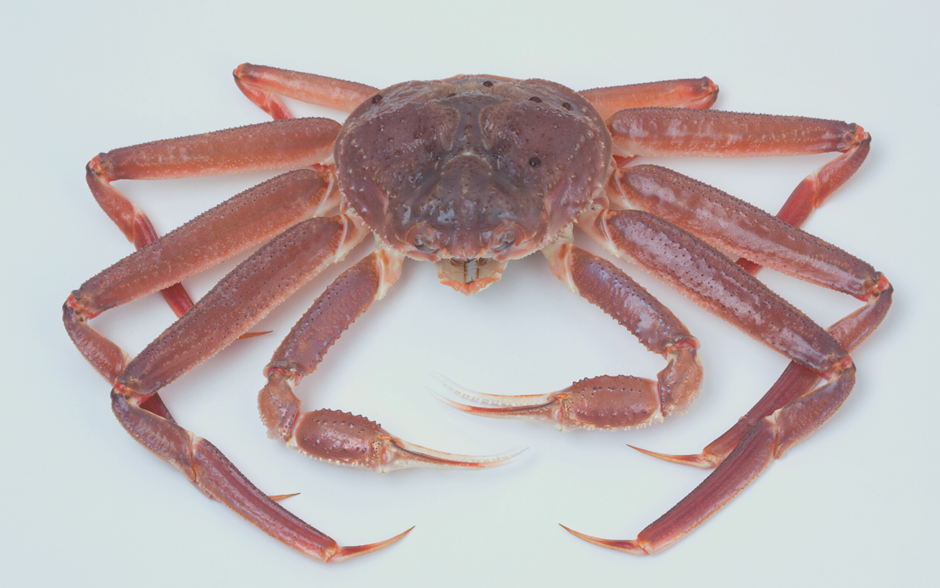
Here’s the straight answer: Snow crab and queen crab are basically the same thing in most markets. Chionoecetes opilio is what you usually get when you order snow crab, and “queen crab” is just a regional or trade name for the same crab (or others in the spider crab family). King crab and Dungeness crab, on the other hand, are completely different animals—both biologically and on your plate.
The real difference isn’t actually flavor. It’s their body design. Snow and queen crab (and king crab too) are mostly about the legs, while Dungeness shines as a whole-crab experience with plenty of sweet body and claw meat.
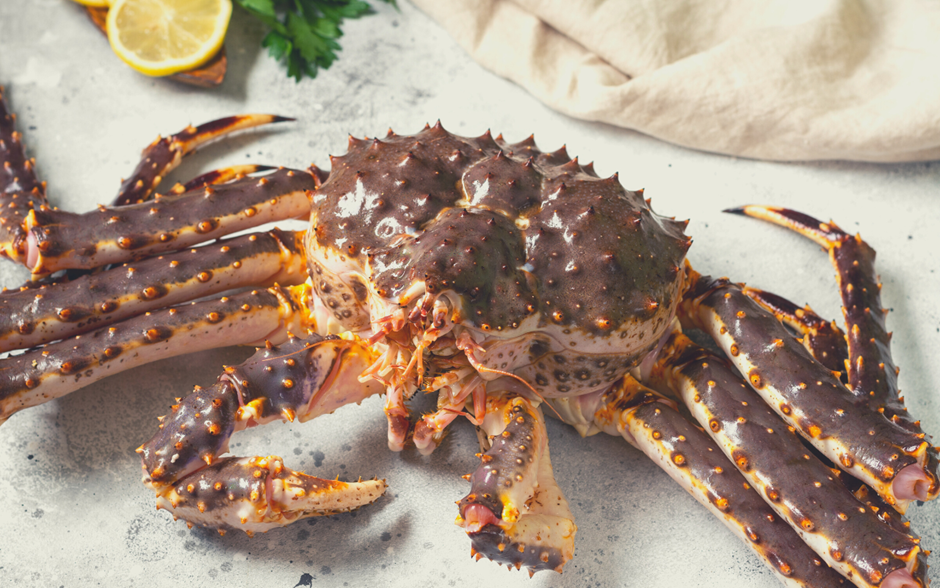
King crab isn’t just a “bigger snow crab.” Red king crab comes from a different family entirely. It has thicker, spiny legs, bigger segments, and a much richer eating experience. According to NOAA, red king crabs can weigh up to 24 pounds with a leg span of five feet.
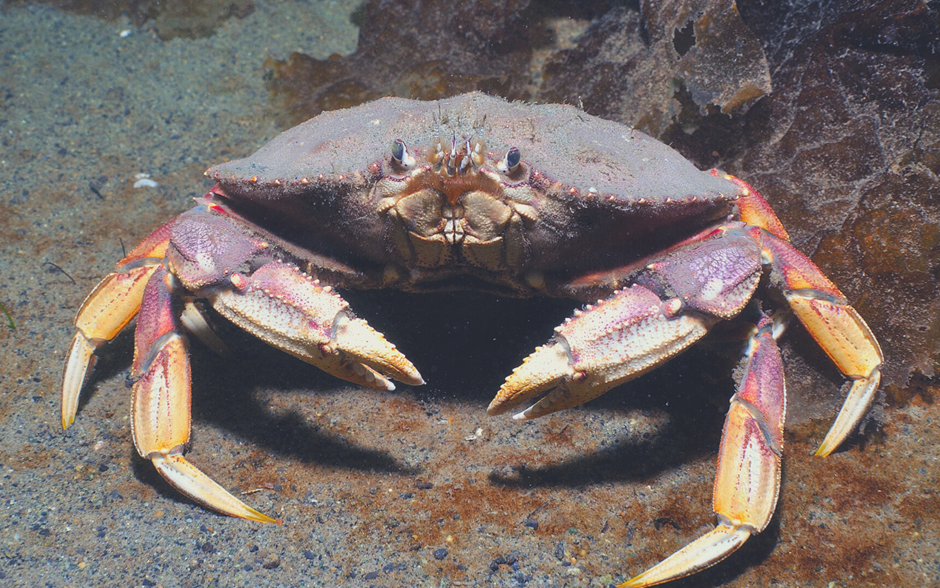
Dungeness is the true outlier—broad edible body, shorter legs, and a classic crab-forward taste that works beautifully in whole-crab dishes, salads, cioppino, or picked meat recipes. Alaska measures them by carapace width, not leg clusters, and they’re a nearshore species.
Market names can be confusing. The FDA’s Seafood List lists Chionoecetes opilio as “Crab, Snow,” and “queen crab” isn’t the primary U.S. market name.
Sustainability has also evolved. A lot of older comparisons miss the 2022–2024 Bering Sea snow crab collapse and its reopening. NOAA linked it to “borealization”—a shift toward sub-Arctic conditions—rather than simple overfishing.
At the end of the day, the best crab depends on what you’re using it for. Snow/queen crab often wins for buffets and casual cracking. King crab is king for premium plated legs. Dungeness is perfect when you want that full whole-crab flavor and regional character.
Where Crab Choices Fit Into Real Life
Choosing crab isn’t just about taste—it touches seafood buying, restaurant kitchens, fishing rules, cold-chain logistics, and menu planning. You’re picking a species, a harvest area, a yield style, how it thaws, portion sizes, regulatory risks, and what your guests expect.
Fisheries managers set quotas and closures. Processors decide if it’s sold live, cooked-frozen, sectioned, or whole. Distributors handle glaze and temperature. Chefs turn that biology into menu math: a spiny king crab leg behaves very differently from a Dungeness body picked for crab cakes.
The money side: Switching species changes your margins because yield, labor, and what guests think it’s worth all shift. King crab can command higher menu prices but ties up more capital. Dungeness may be cheaper per pound than king but costs more in cleaning labor. Snow crab looks like a bargain until you factor in lower meat yield, waste, and thaw loss.
Direct Answer
Snow crab and queen crab are usually not meaningfully different on the plate. “Queen crab” is commonly just another name for snow crab or crabs in the Chionoecetes group—especially outside strict U.S. labeling. The FDA identifies Chionoecetes opilio as “Crab, Snow,” and the World Register of Marine Species confirms that scientific name.
King crab and Dungeness crab are much more different. Red king crab (Paralithodes camtschaticus) is a large, spiny, cold-water crab prized for leg meat. Dungeness crab (Metacarcinus magister) is a broad-bodied West Coast crab valued for body, claw, and leg meat. These are distinct species, not just different trade names.
Why Most Comparisons Miss the Point
Most crab guides focus on sweetness, size, price, and “which one is best.” That’s helpful for everyday shoppers, but it oversimplifies things.
The more useful way to compare them starts with anatomy. Snow/queen crab has long, narrow legs and a modest body. King crab has large, thick leg sections. Dungeness has a wide shell and more usable body meat. That means the same pound of crab can lead to very different results in labor, yield, presentation, and what recipes it suits.
So—are snow crab and queen crab the same? In everyday seafood buying, yes—queen crab usually means snow crab or the Chionoecetes group. Under U.S. rules, though, Chionoecetes opilio should be labeled as “Crab, Snow.”
Core Concepts: Species, Shape, and How You Eat Them
Snow crab (Chionoecetes opilio) is a cold-water crab from northern Pacific and Atlantic waters. NOAA notes they mostly live on soft sandy or muddy bottoms, usually in water less than 650 feet deep.
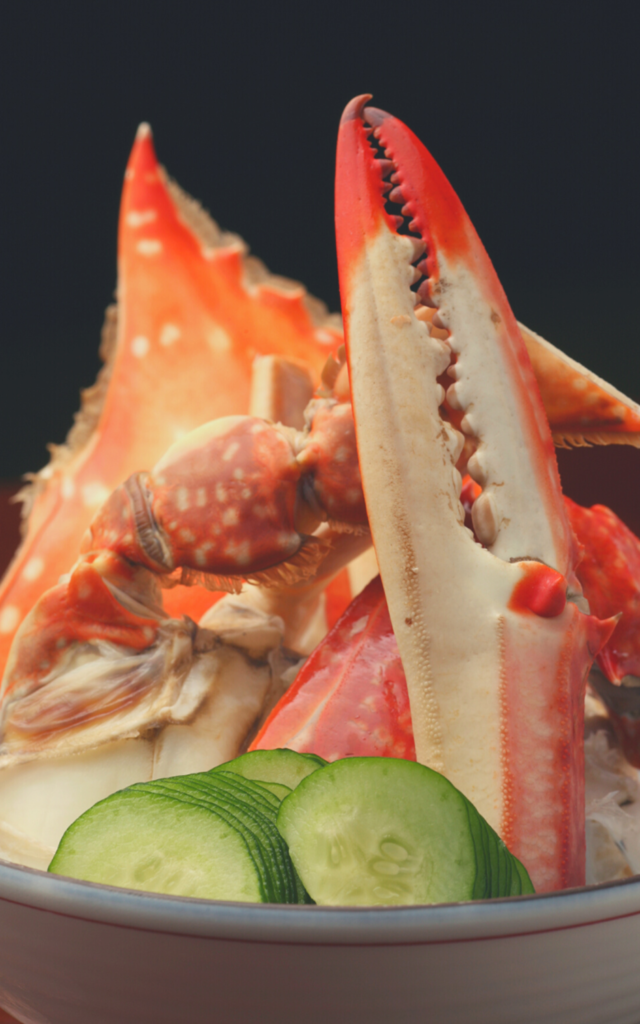
Queen crab is mainly a naming thing. In kitchens and trade, it points to snow crab or similar spider-like crabs. If someone orders queen crab, they’re usually expecting that same long-legged, sweet, flaky meat.
King crab covers several species—red, blue, golden, and scarlet. Red king crab is the famous premium one in Alaska. Golden king crab is smaller, usually 5–8 pounds on average.
Dungeness crab (Metacarcinus magister) has a wide carapace and shorter legs. In Alaska, they’re measured across the back of the shell, only males can be kept, and the legal size is 6.5 inches notch-to-notch.
Why They Taste and Cook Differently
You’ll often hear that snow crab is sweet, king crab is rich, and Dungeness is delicate. Those differences come from muscle structure, shell shape, and how they’re processed.
Snow crab’s long, narrow legs give you fibrous strands that pull apart easily. King crab’s thicker legs deliver bigger, denser pieces of meat. Dungeness has less leg meat but more from the body and claws, so the flavor feels more complete.
Snow/queen crab is typically sold as cooked-frozen clusters—perfect for quick thawing, steaming, and serving at buffets, boils, or casual tables. The shells are thinner and easy to crack.
King crab usually comes as cooked-frozen legs or sections. The thick shells need shears or pre-scoring, but you get impressive large pieces. It’s great for visual wow factor, though it can feel too rich or expensive when chopped into other dishes.
Dungeness works best whole (with cleaning and cracking) or picked. The whole-crab experience is part of the appeal, but it takes more work.
Not One “Best Crab”—Just Different Jobs
Here’s a clear breakdown:
| Crab type | What it really is | Best use | Main advantage | Hidden trade-off |
|---|---|---|---|---|
| Snow crab | Usually Chionoecetes opilio | Buffets, boils, clusters, casual service | Easy cracking and familiar sweet leg meat | Lower visual premium than king crab; mostly leg-focused |
| Queen crab | Usually trade/regional name for snow crab/Chionoecetes | Same uses as snow crab | Can signal cold-water snow crab in some markets | Name ambiguity; verify scientific name |
| King crab | Red, golden, blue, or related king crab species | Premium legs, steakhouse sides, luxury seafood platters | Large leg sections and strong guest recognition | High cost and tool-intensive service |
| Dungeness crab | Metacarcinus magister | Whole crab, picked meat, crab Louie, cioppino, regional menus | Body and claw meat add deeper crab character | More labor to clean and pick |
The Decision Framework That Actually Matters
- Speed vs. theater: Snow crab is fastest. King crab is medium. Dungeness is slower but rewarding. Snow wins for quick turnover; Dungeness shines when cracking is part of the fun.
- Cost control vs. premium signal: Snow/queen is strong on cost. King crab is the premium play—but only when served visibly as legs.
- Leg yield vs. whole-crab utility: Snow and king are leg-focused. Dungeness gives you flexible body meat for picked recipes.
- Menu simplicity vs. staff training: Snow crab is simplest. Dungeness needs more prep knowledge.
- Supply stability vs. climate exposure: All are variable, but recent Bering Sea snow crab issues show even “common” crabs can become risky.
What Happens Downstream
When snow crab supply tightens, restaurants have to tweak portions, swap species, rewrite menus, and retrain staff on handling. NOAA reopened the Bering Sea fishery after a two-year closure, but abundance is still low—creating ongoing challenges for everyone in the chain.
The science points to borealization: a shift from Arctic to sub-Arctic conditions. That means buyers can’t assume cold-water crabs will always be predictable.
Metrics Pros Actually Track
- Edible yield after thaw – Real meat vs. purchased weight (true cost per serving).
- Pick time per pound – Labor to get usable meat (turns cheap product into profitable menu item).
- Portion consistency – Size variation in clusters, legs, or whole crabs (affects guest experience and food cost).
- Shell breakage rate – Damage during shipping, thawing, or service (hurts premium presentation).
- Substitution risk – Chance supply issues force menu changes (protects against closures and volatility).
Practical Advice for Buyers and Cooks
Buy for the job. Want easy hand-eating with butter? Snow crab gives the best enjoyment-to-cost ratio. Need a show-stopping plate? King crab delivers visual impact. Making salads, soups, or regional dishes? Dungeness brings fuller crab flavor.
For home cooks: Most frozen snow and king crab is already cooked—just reheat gently. Dungeness comes live, whole cooked, or picked—each changes the work and safety steps.
In restaurants, the most expensive crab isn’t always the most profitable. King crab can carry a high price but brings waste and inconsistency. Snow crab portions easily but competes with all-you-can-eat expectations. Dungeness supports great storytelling when the kitchen has time to handle it right.
A quick tip from the field: Always do a small yield test on new lots—thaw, drain, pick, and measure real results before pricing your menu.
Whole Crab vs. Processed Crab
Some experts prefer whole or minimally processed crab for authenticity and sensory experience—especially with Dungeness and its Pacific Coast tradition.
Others favor processed clusters, sections, or picked meat for consistency in busy kitchens—common with snow and king crab. It’s not just about quality; it’s about control. Whole maximizes romance. Processed reduces variables.
Important Caveats
Comparisons change by region. The same menu name can mean different things in Vancouver, Seattle, Boston, or Tokyo. Always check scientific name, harvest area, and product form.
Sustainability isn’t one-size-fits-all. Monterey Bay Aquarium’s Seafood Watch rates by species, gear, and location.
Finally, watch out for expectation gaps. Clear labeling like “snow crab clusters,” “red king crab legs,” or “whole Dungeness crab” prevents disappointment.
FAQ
Is queen crab the same as snow crab? Usually, yes in culinary usage. Queen crab commonly refers to snow crab or Chionoecetes crabs, but U.S. FDA market naming identifies Chionoecetes opilio as “Crab, Snow.”
Which crab tastes sweetest? Snow crab and king crab are both known for sweetness, but king crab is typically richer and meatier, while snow crab is lighter and more fibrous. Dungeness has a more rounded crab flavor because body and claw meat are part of the eating experience.
Why is king crab more expensive? King crab is larger, visually dramatic, and often harvested under tighter supply conditions. Its thick legs produce large pieces of meat, which increases premium restaurant and retail demand.
Is Dungeness better than snow crab? Dungeness is better for whole-crab meals, picked crab dishes, and West Coast recipes. Snow crab is better for easy leg cracking, buffets, and casual seafood boils.
What is the easiest crab to eat? Snow crab is usually the easiest because its thinner shells and long leg segments crack more readily than king crab. Dungeness requires more body cleaning and picking.
Are all king crabs the same? No. Alaska recognizes multiple king crab species, including red, blue, golden, and scarlet. Red king crab is the best-known premium species, while golden king crab is generally smaller.
Which crab is best for crab cakes? Dungeness is often the strongest choice when available because picked body and claw meat bring full crab flavor. Snow crab can work, but its leg meat is more delicate and can disappear into binders if overmixed.
Wrapping It Up
Snow crab, queen crab, king crab, and Dungeness crab differ most in their identity, anatomy, format, and best uses. Snow and queen crab are usually overlapping names for the same Chionoecetes category, while king and Dungeness are truly distinct.
The simple rule: Choose snow/queen for easy, sweet leg meat; king crab for premium large-leg presentation; and Dungeness for whole-crab flavor and picked-meat versatility. The smarter rule is to buy by scientific name, harvest region, product form, and tested yield—not just menu romance.