
Executive Summary
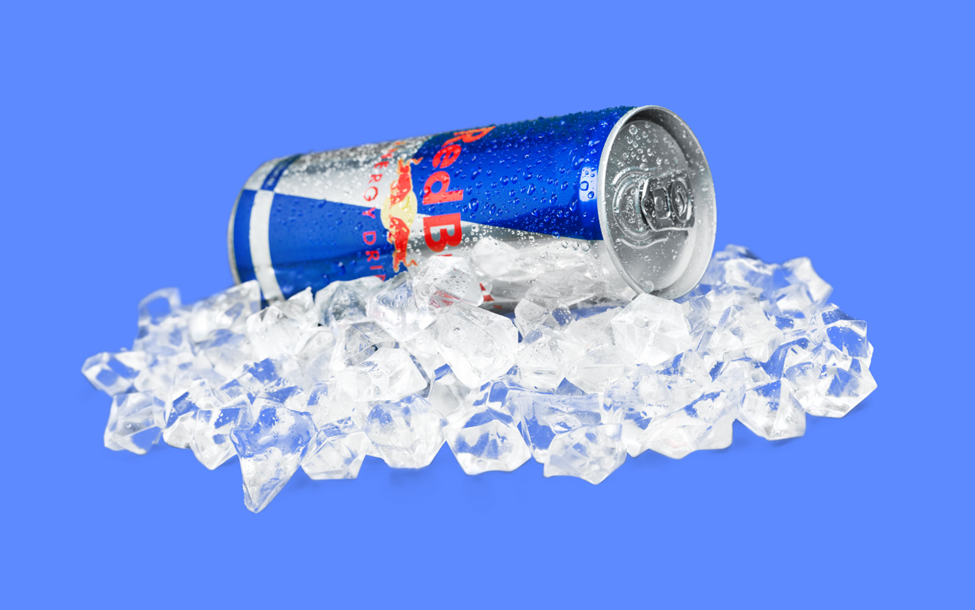
Here’s the quick takeaway: A 12 fl oz Red Bull contains 114 mg of caffeine. Red Bull’s own Q&A confirms that a 355 ml can (roughly 12 fl oz) delivers exactly that amount.
The concentration stays pretty consistent at about 9.5 mg of caffeine per fluid ounce. That’s why scaling up from the classic 8.4 oz can (80 mg) lands you right around 114 mg for 12 oz.
But here’s the contrarian truth most people miss: The “right proportion” isn’t just about what’s in the can. It’s about caffeine per hour, your body size, when you drink it, and everything else you’ve already had that day.
One 12 oz Red Bull makes up about 28.5% of the FDA’s often-cited 400 mg daily limit for most adults. Interestingly, that’s actually less caffeine than many 12 oz brewed coffees, which the FDA puts in the 113–247 mg range.
The real issue is stacking. Morning coffee, afternoon Red Bull, pre-workout, tea, soda, chocolate, or pills—it all adds up faster than you think.
For kids and teens, the math changes completely because of body weight and higher sensitivity. The FDA notes that medical experts generally advise against energy drinks for children and teens.
If you’re pregnant, trying to conceive, or breastfeeding, the limits are lower—definitely something to talk over with your doctor. The FDA specifically calls out pregnancy and breastfeeding as times when you may need to cut back on caffeine.
Direct Answer: How Much Caffeine Is in a 12 oz Red Bull?
A 12 oz Red Bull contains 114 mg of caffeine. Red Bull lists three common amounts: 80 mg in 250 ml, 114 mg in 355 ml (about 12 fl oz), and 151 mg in 473 ml. So the 12 oz size you’re looking at is the 114 mg version.
The easy formula? Red Bull has roughly 9.5 mg of caffeine per fluid ounce. A 12 oz can is just a bigger serving of the same concentration as the standard 8.4 oz can.
Industry Hub Mapping: Where This Question Fits
This topic touches nutrition labeling, personal health, sports performance, productivity, and how drinks are made.
The main people who care are:
- Everyday folks trying to track their stimulant intake
- Dietitians and doctors advising on sleep, anxiety, pregnancy, heart rate, or meds
- Regulators setting safety guidelines
- Beverage companies standardizing caffeine across sizes
- Stores selling different-looking cans with different doses
- Athletes, students, drivers, and shift workers using it for focus
It connects to bigger topics like how caffeine is metabolized, sleep habits, sugar intake, heart health, teen nutrition, pregnancy advice, and clear labeling.
Bottom line: Switching can sizes changes how you plan your daily caffeine because the dose scales with the volume. You have to adjust timing, stacking, and total intake accordingly.
Context: Why Most Answers Are Incomplete
Most articles just say “A 12 oz Red Bull has 114 mg of caffeine” and call it a day. That’s technically correct—but not very helpful.
The real question is whether 114 mg fits your personal caffeine budget. It might be totally moderate for a healthy adult with low other sources, but way too much if you’ve already had coffee or plan to hit pre-workout later.
Red Bull’s classic 8.4 oz can has 80 mg, and they sell it right alongside the 12 oz, 16 oz, and 20 oz versions. It’s the same formula, just more volume.
The deeper question most content skips is: “How do I figure out the right proportion for my situation?” The answer is to calculate per ounce, compare it to your daily limit, then factor in timing, sensitivity, age, pregnancy, sleep, and other sources.
Core Concept: Caffeine Per Ounce Is the Key Ratio
The cleanest way to think about it is this simple math:
80 mg ÷ 8.4 fl oz = 9.52 mg caffeine per fl oz
So for 12 fl oz: 12 × 9.52 mg = 114.2 mg (rounded to 114 mg on the label).
Here’s how the sizes break down:
| Red Bull size | Caffeine | Approx. caffeine per oz | Share of 400 mg/day adult reference |
|---|---|---|---|
| 8.4 oz | 80 mg | 9.5 mg/oz | 20% |
| 12 oz | 114 mg | 9.5 mg/oz | 28.5% |
| 16 oz / 473 ml | 151 mg | 9.4 mg/oz | 37.75% |
Red Bull’s international info backs this up—114 mg for 355 ml and 151 mg for 473 ml.
Mechanism: What 114 mg of Caffeine Actually Does
Caffeine is a stimulant. Red Bull says it helps with concentration and alertness, and the FDA notes it can fit into a healthy diet for most people—though too much can cause issues depending on your weight, meds, conditions, or sensitivity.
A lot of people say “caffeine gives you energy.” The more accurate view is that it doesn’t create energy—it just changes how alert you feel.
The original Red Bull also has sugar (27 g in the 8.4 oz can). By proportion, a 12 oz can would have about 38.6 g of sugar. That matters because stimulation and actual fuel work through different paths. Caffeine masks fatigue; sugar gives quick carbs.
Comparative Evaluation: Red Bull vs Coffee, Tea, and Soft Drinks
A 12 oz Red Bull with 114 mg isn’t unusually strong compared to coffee. The FDA lists typical 12 oz brewed coffee at 113–247 mg, green tea around 37 mg, black tea 71 mg, and regular sodas 23–83 mg.
| Drink (12 oz typical serving) | Approx. caffeine | Practical interpretation |
|---|---|---|
| Red Bull | 114 mg | Moderate adult dose; significant if stacked |
| Brewed coffee | 113–247 mg | Can be similar or much higher |
| Black tea | 71 mg | Lower stimulant load |
| Green tea | 37 mg | Much lower caffeine |
| Caffeinated soft drink | 23–83 mg | Usually lower, but variable |
Energy drinks aren’t always stronger than coffee—they’re often in the same ballpark as lighter coffee but get consumed at different times (driving, gaming, workouts, late shifts), which changes the risk.
Downstream Impact
Choosing a bigger can affects sleep and next-day performance because more caffeine means it stays in your system longer. That influences when you buy it, how you schedule work or study, and when you cut yourself off.
It’s not just the can—it creates a chain: bigger serving → higher dose → later exposure → less sleep pressure → worse fatigue the next day → reaching for more caffeine. That loop can sneak up on you.
Proprietary Comparison Table: The Right Proportion by Use Case
| Use case | 12 oz Red Bull proportion | Main benefit | Hidden trade-off | Better decision logic |
|---|---|---|---|---|
| Morning alertness | 114 mg early in day | Noticeable stimulation | May be unnecessary if sleep was adequate | Use only when fatigue has a clear cause |
| Afternoon slump | 114 mg mid-day | Can restore focus | May affect sleep if taken too late | Use earlier; avoid late-day stacking |
| Studying | 114 mg during task | Helps alertness | Can mask fatigue without improving retention | Pair with breaks and sleep planning |
| Long drive | 114 mg before or during | Helps short-term alertness | Not a substitute for sleep | Stop driving if drowsy persists |
| Workout | 114 mg pre-exercise | Mild stimulant dose | May stack with pre-workout caffeine | Count all caffeine sources first |
| Teen use | 114 mg | Stimulation | Higher relative dose by body weight | Generally avoid energy drinks |
| Pregnancy/breastfeeding | 114 mg | Stimulation | Smaller caffeine budget | Ask clinician; count total daily caffeine |
Success Metrics: How to Know the Proportion Is Right
- Total daily caffeine: Sum from Red Bull, coffee, tea, soda, supplements, etc. → Prevents accidental stacking
- Caffeine timing cutoff: Hours between last dose and bedtime → Protects sleep quality
- Symptom response: Jitters, anxiety, heart palpitations, headaches, stomach issues → Shows if 114 mg is too much for you
- Performance window: Does alertness improve for the actual task? → Separates useful use from habit
- Next-day fatigue: Are you sleeping worse and needing more caffeine? → Spots the repeating cycle
Practical Insights: How Many 12 oz Red Bulls Is Too Much?
For most healthy adults, the FDA says 400 mg per day isn’t generally linked to problems (though sensitivity varies).
- 1 can = 114 mg (~28.5%)
- 2 cans = 228 mg (~57%)
- 3 cans = 342 mg (~85.5%)
- 4 cans = 456 mg (over 400 mg)
Three cans might technically fit under 400 mg, but that ignores coffee, tea, chocolate, pre-workout, timing, and your personal situation. Many people’s real-world limit is lower.
The smarter approach: Start with your total daily caffeine, not just counting cans. One morning coffee plus one Red Bull can already put you in the 225–360 mg range depending on the coffee.
Field Note: Practitioner Insight
In real life, people remember cans and cups, not milligrams. A practical hack is setting a simple personal budget like “one morning coffee plus no more than one 12 oz Red Bull, and nothing after mid-afternoon.”
It’s more realistic than perfect tracking. The goal isn’t math perfection—it’s avoiding repeated overuse.
Expert Disagreement: Daily Ceiling vs Individual Tolerance
There’s honest debate here. Should we use a general 400 mg limit, or listen to our own bodies?
Method A (400 mg/day): Simple and great for public guidance. The FDA says this level isn’t generally associated with negative effects for healthy adults.
Method B (personal response): More accurate for people with anxiety, insomnia, pregnancy, meds, heart issues, low body weight, or high sensitivity.
Best answer: Use both. The 400 mg is a helpful reference, not a personal guarantee.
Industry North Star: FDA, EFSA, and Health Canada
Red Bull’s Q&A notes that EFSA, the FDA, and Health Canada agree healthy adults can generally handle single doses up to 200 mg and daily intakes up to 400 mg, with lower limits for pregnant and nursing women. The FDA emphasizes individual differences.
A dose can be “within guidelines” and still be poorly timed or unnecessary for you.
Limitations and Risks
A 12 oz Red Bull isn’t automatically dangerous for a healthy adult, but it’s not automatically the right choice either.
Main risks include:
- Stacking without realizing the total
- Late-day use messing with sleep
- Using it to cover chronic sleep debt
- Higher sensitivity from low body weight, anxiety, pregnancy, breastfeeding, meds, or conditions
- Teen use (experts generally advise against energy drinks due to caffeine and sugar)
The can tells you the dose. Your body, timing, and full context tell you if it’s reasonable.
FAQ
How much caffeine is in a 12 oz Red Bull? A 12 oz Red Bull contains 114 mg of caffeine. Red Bull lists 355 ml (approximately 12 fl oz) as 114 mg caffeine.
How much caffeine is in Red Bull per ounce? Red Bull has about 9.5 mg of caffeine per fluid ounce. This comes from 80 mg in an 8.4 oz can.
Is a 12 oz Red Bull more caffeinated than coffee? Not usually. A 12 oz Red Bull has 114 mg caffeine, while the FDA lists typical 12 oz brewed coffee at 113–247 mg.
How many 12 oz Red Bulls equal 400 mg of caffeine? About 3.5 cans equal 400 mg. Three cans contain 342 mg; four cans contain 456 mg.
Is 114 mg of caffeine a lot? For many healthy adults, 114 mg is a moderate dose. It may be too much for people who are caffeine-sensitive, pregnant, breastfeeding, taking certain medications, or using other caffeine sources.
Can teenagers drink a 12 oz Red Bull? Medical experts advise against energy drinks for children and teens, and the FDA highlights concerns about caffeine and sugar in this group.
Does sugar-free Red Bull have the same caffeine? In common Red Bull formats, caffeine is generally tied to can size rather than sugar content, but always check the specific product label because editions and markets can vary.
What is the best time to drink a 12 oz Red Bull? Earlier in the day is usually safer for sleep. The right timing depends on bedtime, caffeine sensitivity, and whether you already consumed coffee, tea, soda, or pre-workout.
Conclusion
A 12 oz Red Bull contains 114 mg of caffeine—about 9.5 mg per fluid ounce. That’s less than many 12 oz coffees but more than most teas and many soft drinks.
The real “right proportion” isn’t just one can or two. It’s how the dose fits with your timing, body, tolerance, sleep, and everything else you consume. For most healthy adults, one can can fit within standard guidance—but stacking it with coffee or drinking it late changes the picture. Listen to your body and plan accordingly.