
Quick Take
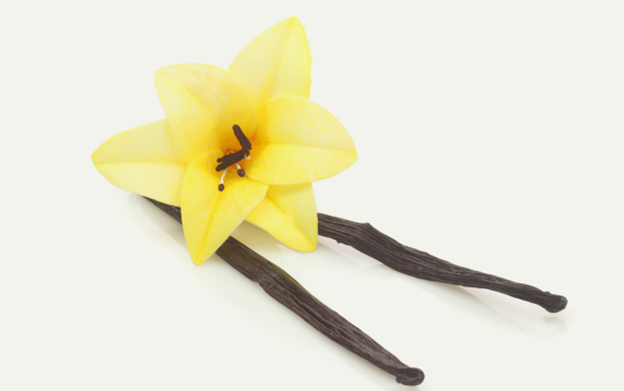
Vanilla beans naturally contain 0 mg of caffeine. Their wonderful flavor comes mainly from aromatic compounds like vanillin, not from any stimulant alkaloids.
The word “bean” trips a lot of people up. Vanilla beans aren’t coffee beans or cocoa beans—they’re actually cured orchid seed pods. “Bean” is just a friendly culinary nickname, not a hint about caffeine.
Vanilla-flavored products can still contain caffeine, but only when the main base ingredient does—like coffee, black tea, matcha, chocolate, cola, or energy drinks.
Pure vanilla extract follows strict U.S. FDA standards: it’s an alcohol-water extraction of flavor compounds from vanilla beans with at least 35% alcohol by volume. Those rules don’t make vanilla a caffeine source.
So the real question isn’t “Does vanilla have caffeine?” but “What is the vanilla added to?”
A vanilla bean Frappuccino, vanilla latte, vanilla cold brew, or vanilla chocolate bar gets its caffeine from coffee, tea, cocoa, or added caffeine—not from the vanilla itself.
The most important standard here is the FDA’s definition of vanilla extract, which spells out the extraction process and what counts as vanilla. Most articles miss that nuance—it focuses on flavor compounds, not caffeine.
For anyone who’s caffeine-sensitive, vanilla is usually a safe flavoring on its own. Just always check labels on vanilla-flavored drinks and desserts.
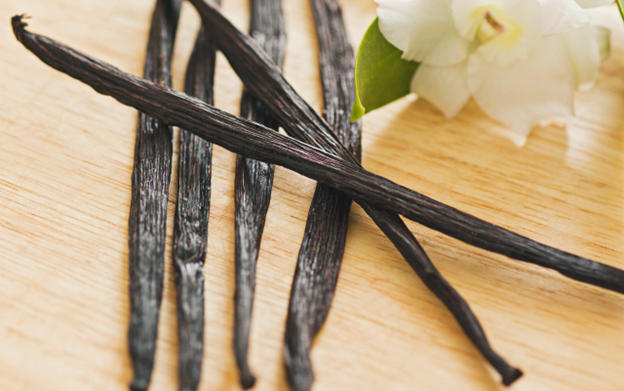
Where Vanilla and Caffeine Questions Fit In
This topic sits at the crossroads of food chemistry, beverage recipes, labeling rules, nutrition info, and everyday shopping decisions. It matters to café owners, food manufacturers, nutrition label checkers, parents ordering kids’ drinks, and anyone watching their caffeine intake.
What really counts is the neighboring ingredients. Coffee brings caffeine from its beans, tea from Camellia sinensis leaves, cocoa brings methylxanthines like theobromine (and a bit of caffeine), while vanilla just brings beautiful aroma compounds. USDA caffeine tables list coffee, energy drinks, chocolate desserts, and caffeinated sodas—but they don’t treat vanilla as a caffeine source.
Direct Answer
Vanilla beans have no meaningful natural caffeine: 0 mg per bean, per teaspoon of vanilla seeds, or per normal culinary serving. The signature aroma comes from vanillin and other volatile compounds.
The Cosmetic Ingredient Review’s safety assessment notes that vanilla fruit extracts contain many volatile components, including vanillin. Commercial Madagascar vanilla beans typically contain about 1.2% to 2.2% vanillin—not caffeine.
The confusion usually happens because vanilla gets paired with caffeinated bases. A vanilla latte has caffeine thanks to the espresso. Vanilla cola only has it if the cola recipe includes caffeine. Vanilla chocolate can have some because of the cocoa. Vanilla is the flavor, not the stimulant.
Why People Think Vanilla Beans Might Contain Caffeine
Most quick articles simply say, “No, vanilla beans don’t have caffeine,” and stop there. That’s true, but the fuller story is more interesting.
Vanilla comes from cured orchid pods (mainly Vanilla planifolia and Vanilla tahitensis), while caffeine is a defense compound found in completely different plants like coffee, tea, cacao, guarana, and kola. We rarely eat vanilla by itself, so it shows up in products that often already contain caffeine.
The term “bean” is just culinary shorthand for their shape and how we use them in the kitchen—not a clue about their chemistry.
Vanilla, Vanillin, and Caffeine Are Different Chemicals
A lot of people assume vanilla tastes warm and “dark,” so it must be related to coffee or chocolate. But strong flavor doesn’t mean it contains stimulants.
Vanilla’s magic comes from volatile aroma molecules that light up your smell receptors. Caffeine works differently—it affects adenosine in your nervous system. They’re entirely different chemical families with different jobs.
Vanillin is a key aroma compound in vanilla (levels vary by species and origin). Caffeine is a methylxanthine alkaloid. Think of it like cinnamon (bold flavor, zero caffeine) or peppermint (invigorating but not caffeinated). Vanilla is in the same boat—sensory punch doesn’t equal stimulant chemistry.
How Vanilla Flavor Is Extracted (Without Creating Caffeine)
Pure vanilla extract is made by soaking vanilla beans in an alcohol-water mix to pull out the flavor compounds. FDA standards require at least 35% alcohol by volume and define it as the “sapid and odorous principles” from the beans.
This process simply concentrates what’s already in the bean. No caffeine is created if none was there to begin with.
Some people see the alcohol and wonder about stimulants, but alcohol as a solvent is completely separate from caffeine. Plus, recipes usually call for just a teaspoon or two spread across a whole batch.
Where Caffeine Actually Comes From in “Vanilla” Items
The caffeine risk depends entirely on the base.
| Product or Ingredient | Does Vanilla Add Caffeine? | Likely Caffeine Source | Practical Reading |
|---|---|---|---|
| Whole vanilla bean | No | None | Caffeine-free flavoring |
| Pure vanilla extract | No | None from vanilla | Check alcohol if relevant, not caffeine |
| Vanilla syrup | No, unless formulated with caffeine | Usually none | Read label for added caffeine |
| Vanilla latte | No | Espresso or coffee | Caffeinated because of coffee |
| Vanilla chai | No | Black tea, if used | Caffeine depends on tea base |
| Vanilla matcha | No | Matcha green tea | Caffeinated because of tea powder |
| Vanilla chocolate | No | Cocoa solids | Caffeine/theobromine depend on chocolate type |
| Vanilla energy drink | No | Added caffeine, guarana, tea extract, etc. | Caffeine is formula-driven |
You can usually figure it out fast: if the base is coffee, tea, cacao, guarana, kola, yerba mate, or an energy blend, expect caffeine unless the label says otherwise. If it’s milk, cream, sugar syrup, water, or plain baked goods, vanilla doesn’t change the caffeine picture.
Why This Matters in Real Life
Changing a vanilla product recipe can affect labeling and trust, especially for caffeine-sensitive folks who search by flavor name. Cafés should clearly separate “vanilla steamer” (crème-based) from “vanilla latte” (coffee-based) to avoid mix-ups for pregnant customers, parents, or people managing sleep, anxiety, heart issues, or medications.
The Caffeine Decision Matrix
| Decision Lens | Simple Rule | Where It Fails | Better Practitioner Rule |
|---|---|---|---|
| Flavor name | “Vanilla means caffeine-free” | Vanilla latte, vanilla cold brew, vanilla chai | Ignore flavor first; identify the base liquid or powder |
| Ingredient list | “No coffee listed means no caffeine” | Tea extract, guarana, kola nut, cocoa, added caffeine | Search for all stimulant-bearing ingredients |
| Product category | “Desserts are caffeine-free” | Chocolate mousse, tiramisu, mocha desserts | Check for cocoa, espresso, coffee liqueur, or tea |
| Menu shorthand | “Vanilla bean drink is safe” | Chain recipes may use coffee, tea, or crème bases | Ask whether it is coffee-based, tea-based, or crème-based |
| Nutrition panel | “Caffeine must always be obvious” | Some labels emphasize calories and sugar more than caffeine | Use brand caffeine disclosures when available |
Flavor-based guessing feels quick but can let you down. Checking ingredients takes a second longer but gives you certainty.
Practical Insights for Everyday Use
In cafés, menus often highlight flavors more than bases, so staff training helps: “That’s vanilla-flavored and coffee-based” or “vanilla-flavored and crème-based.”
At home it’s simpler. Vanilla beans, vanilla bean paste, vanilla powder, and pure vanilla extract won’t add caffeine to cakes, custards, oatmeal, smoothies, or whipped cream. Caffeine only sneaks in when you add coffee, cocoa, chocolate, black or green tea, matcha, cola, or other caffeinated ingredients.
On packaged foods, look past the pretty “Vanilla bean” front label. It usually means quality flavor or visible seeds, not a guarantee the whole product is caffeine-free if chocolate, coffee, or tea are also in there.
How Experts Approach This
Some professionals prefer lab testing, especially for high-risk items or strict “caffeine-free” claims. It’s precise but more expensive.
Others rely on supplier docs and careful label review when formulas are straightforward. It’s faster and cheaper, but depends on good information.
Most settle on a risk-based middle ground. A bakery using vanilla in sugar cookies probably doesn’t need testing. A drink brand calling something a “caffeine-free vanilla energy-style refresher” should be extra careful with documentation (and possibly testing) because the name sets expectations.
Limitations and Risks
“Vanilla” by itself isn’t a full product description. A plain vanilla bean is caffeine-free, but a finished vanilla-flavored item might not be. That’s why broad statements like “vanilla drinks are caffeine-free” don’t hold up.
There’s also a difference between true vanilla extract (strictly from vanilla beans in alcohol-water) and broader “natural flavors,” which can come from many sources and may need clarification from the manufacturer.
When we say “0 mg” for consumer purposes, it means vanilla isn’t a recognized meaningful caffeine source. It doesn’t mean labs couldn’t detect trace amounts in theory, but for real-life decisions, we treat vanilla as caffeine-free.
FAQ
Do vanilla beans naturally have caffeine? No. Vanilla beans are naturally caffeine-free. Their flavor comes from aromatic compounds such as vanillin, not caffeine.
How much caffeine is in one whole vanilla bean? A whole vanilla bean contributes 0 mg of caffeine in normal culinary use.
Does vanilla extract have caffeine? Pure vanilla extract does not contain caffeine from vanilla. It is an alcohol-water extraction of flavor compounds from vanilla beans under the U.S. standard of identity.
Does vanilla bean powder have caffeine? Plain vanilla bean powder is caffeine-free. Check blends, because powders marketed for drinks may include cocoa, coffee, tea, or added caffeine.
Why does a vanilla latte have caffeine? A vanilla latte has caffeine because it contains espresso, not because it contains vanilla.
Is vanilla bean ice cream caffeine-free? Plain vanilla ice cream is generally caffeine-free. Vanilla ice cream with chocolate, coffee swirl, mocha pieces, or espresso flavor may contain caffeine from those added ingredients.
Can children have vanilla without caffeine? Yes, vanilla as a flavoring is not a caffeine source. For children, check the full product if it is a drink, chocolate dessert, or café item.
Is vanillin the same as caffeine? No. Vanillin is a major vanilla aroma compound. Caffeine is a stimulant alkaloid found in plants such as coffee, tea, cacao, guarana, and kola.
Wrapping It Up
Vanilla beans have 0 mg of caffeine in any practical sense. The mix-ups usually come from the word “bean” and from vanilla’s cozy partnership with coffee, tea, chocolate, and energy drinks.
The simplest rule: Vanilla itself doesn’t add caffeine—the base might. When you see a vanilla product, quickly ask: Is this coffee-based, tea-based, chocolate-based, or energy-formulated? If no, it’s usually caffeine-free. If yes, the caffeine comes from that base, not the vanilla.
That one habit makes life a lot easier for everyone watching their intake.