
Yes, chicken is meat in everyday life—it’s the edible flesh from an animal. But the full picture gets more interesting once you look at nutrition labels, restaurant menus, religious rules, or government regulations. That’s why the question keeps popping up.

The Quick Takeaway
- Everyday answer: Yes, chicken counts as meat because it’s animal flesh we eat as food.
- Regulatory twist (U.S.): Chicken usually falls under “poultry” rules instead of the same “meat” category as beef, pork, or lamb. It has its own inspection system.
- Most people are right when they say chicken is meat, but the details matter depending on why you’re asking.
Why the Question Feels Confusing
Most quick answers just say “yes, chicken is meat” and stop there. That’s directionally correct, but it skips the real reasons people get tripped up. The confusion comes from four different worlds colliding: everyday language, religion, nutrition, and food regulations.
People often assume “meat” is one simple bucket. In reality, it’s a flexible word. A home cook, a priest guiding Lent, a USDA reviewer, and a dietitian might all use slightly different definitions while still agreeing chicken comes from an animal.
Even dictionaries reflect this. “Meat” often means flesh from mammals or birds (not fish), but sometimes people use it more narrowly for just mammals. That’s why you’ll see menus say “meat, chicken, or fish”—it’s for convenience, not strict science.
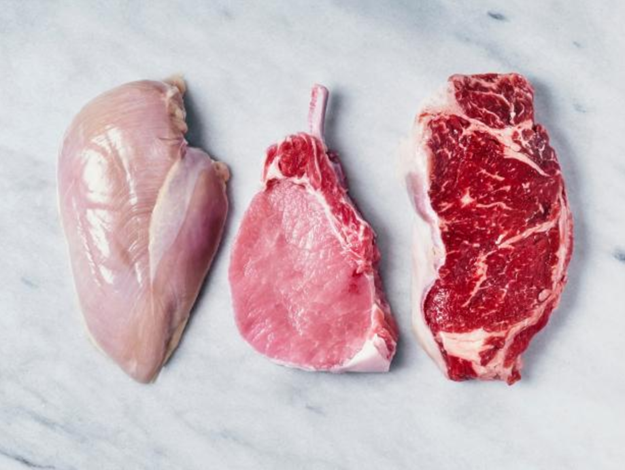
Where Chicken Fits In the Bigger Picture
Chicken lives at the intersection of food safety, labeling, nutrition, cooking, religion, and business operations.
- Food safety: USDA’s FSIS handles inspection and labeling for most chicken products.
- Labeling rules: FDA steps in for products with tiny amounts of cooked poultry, while USDA takes over once certain thresholds are met.
- Nutrition: Chicken is tracked as animal protein—complete with protein, fat, sodium, cholesterol, and micronutrients. You’ll find the data in USDA FoodData Central.
- Cooking: It’s grouped as poultry or white meat to set it apart from beef, lamb, and pork.
- Religion: In U.S. Catholic guidance, chicken counts as meat for abstinence days, while fish does not.
A shift in how much chicken is in a product can literally change which agency oversees it, which inspection marks appear, and what claims you can make on the package.
Meat, Poultry, Red Meat, and White Meat – Let’s Clear It Up
Meat is the big umbrella term for edible animal flesh. Chicken belongs here unless someone is deliberately using “meat” to mean only mammal flesh.
Poultry is the specific category for domesticated birds like chickens and turkeys. U.S. rules clearly list chickens as poultry.
Red meat usually means mammal meats (beef, lamb, pork). White meat refers to poultry—especially breast meat—based on color and muscle type. It’s a practical cooking and nutrition label, not a way to say chicken isn’t meat.
So when someone says “chicken is poultry, so it’s not meat,” they’re mixing categories. Poultry is a type of meat, just like salmon is a type of seafood.
How Chicken Works as Meat
Biologically, chicken is skeletal muscle plus edible tissue from a bird. That’s why it behaves like other meats when you cook it: proteins tighten with heat, collagen breaks down with moisture, and fat affects juiciness and flavor.
A chicken breast dries out faster than beef brisket simply because it has less fat and connective tissue—not because one is “real meat” and the other isn’t. Nutritionally, it’s still animal-source protein, low in carbs, and high in protein.
Everyday Life vs. Rules vs. Faith – Side-by-Side
| Context | Is chicken considered meat? | Practical reason | Non-obvious implication |
|---|---|---|---|
| Everyday speech | Yes | It is edible animal flesh | Some menus separate “meat, poultry, fish” for convenience |
| Nutrition | Yes, as poultry/animal protein | Protein, fat, etc. measured like other animal foods | “White meat” may sound lighter, but skin, frying, sauces, and portions change everything |
| U.S. regulation | Treated mainly as poultry | USDA FSIS has separate meat and poultry structures | A soup with tiny poultry content may fall under FDA instead of USDA |
| Catholic abstinence | Yes | Birds are treated as meat | Fish is handled differently for religious reasons |
| Culinary technique | Yes | Muscle protein reacts to heat, salt, acid, moisture | Different cuts (breast, thigh, wings) need different handling |
The Tricky Part: How Much Chicken Makes Something a “Poultry Product”?
This is where casual answers fall short. A food isn’t automatically USDA-regulated just because it contains some chicken.
FDA generally handles products with less than 2% cooked poultry meat (or less than 10% of certain poultry tissues in combination). Once you hit those thresholds, USDA FSIS usually takes over. That’s why a chicken-flavored seasoning packet and a pack of chicken nuggets live under different rules.
What This Means for Real Life
For everyday eaters: Chicken is meat unless the conversation is specifically using “meat” as shorthand for red meat. Vegetarians typically avoid it. Cutting back on red meat while still eating chicken is red-meat reduction, not meat-free eating.
For restaurants: Clear menus help. “No red meat” and “vegetarian” are not the same. Never call real chicken “meatless.”
For food companies: Formulation percentages matter. Even small changes in chicken content can shift a product from FDA to USDA oversight, affecting labels, inspection, and timelines.
Why Experts Sometimes Disagree
Some experts prefer plain consumer language—“chicken is meat”—because it matches how most people think and supports clear dietary or religious choices. Others stick to technical terms like “poultry” because that’s what the rules and inspection systems use. Both views make sense in their own world.
A Few Limitations
Rules vary by country, religion, and diet style. This focuses on U.S. practices because they’re well-documented. Also, “healthy” depends far more on the specific cut, preparation, and added ingredients than on the word “chicken” alone.
FAQ
Is chicken meat or poultry? Chicken is both. It’s meat in the broad everyday sense and poultry in the specific bird category.
Is chicken considered red meat? No. It’s generally poultry or white meat, though thighs and legs are darker.
Is chicken allowed on a vegetarian diet? No. Standard vegetarian diets exclude animal flesh, and chicken is animal flesh.
Why do some people say chicken is not meat? They’re usually using “meat” narrowly to mean red meat or mammal meat. That usage exists, but it’s not the full culinary or dietary meaning.
Is fish meat like chicken? Biologically fish is animal tissue, but many systems (culinary, religious, menus) separate fish from meat. Catholic guidance, for example, treats birds as meat and fish differently.
Does chicken broth count as meat? For many people avoiding meat, yes—they skip the broth too. In some religious contexts, liquids may be treated differently, so check the specific rule.
Is chicken regulated the same way as beef? No. Chicken is mainly poultry, beef is under meat inspection rules. USDA FSIS oversees both, but the pathways differ.
Wrapping It Up
Chicken is meat in the ordinary, nutritional, culinary, and many religious senses because it’s edible animal flesh. More precisely, it’s poultry meat and usually not red meat.
The word “meat” simply shifts meaning by context. For your dinner plate, chicken isn’t vegetarian. For nutrition talks, it’s animal protein. For regulators, it’s poultry with its own inspection lane. The most helpful answer always depends on what decision you’re actually trying to make.