
If you’ve ever tried recreating that creamy, sweet Starbucks white chocolate mocha at home and ended up with something close… but not quite right, you’re not alone. The secret isn’t just throwing in more chocolate. It’s all about how the fats, temperatures, and textures work together.
Here’s the good news: once you understand a few key details, you can get surprisingly close in your own kitchen.
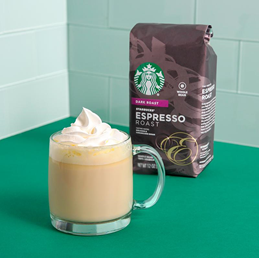
The Quick Version
A true Starbucks-style white chocolate mocha relies more on stable emulsion and fat balance than on simply adding extra sweetness. The real flavor magic happens through the interaction between cocoa butter and dairy fat.
The biggest difference from most home recipes? Using a properly emulsified white chocolate sauce (think sweetened condensed milk thickness) instead of just melted chocolate. And yes, temperature matters—a lot. Keep your milk around 65–70°C (149–158°F) to avoid flattening the flavor.
Typical café ratio:
- 1 shot espresso (18–20g extraction yield)
- 25–30g white chocolate sauce
- 180–220ml milk
- Optional whipped cream on top
Process and sequence matter just as much as the amounts.
Why Most Home Recipes Fall Short
A lot of online recipes treat a white chocolate mocha like a simple flavored latte: espresso + white chocolate + milk. In real cafés, though, they engineer the drink for consistent taste no matter the conditions.
White chocolate isn’t like dark chocolate. It gets its flavor from cocoa butter, milk solids, sugar, vanilla, and lecithin—not cocoa solids. That means the creaminess and sweetness depend heavily on how well those fats stay dispersed. Without the right emulsification, the drink can separate a bit, which mutes the sweetness.
Recent changes at big chains (lower trans fats and adjusted sugar viscosity) have also shifted the mouthfeel slightly.
Core Ideas That Make the Difference
1. White Chocolate Composition White chocolate is made of:
- Cocoa butter
- Milk solids
- Sugar
- Vanilla compounds
- Lecithin (the emulsifier)
Because there are no cocoa solids, all the bitterness and contrast come from the espresso. More cocoa butter gives extra creaminess, but too much can actually dull the flavor if it’s not balanced with the coffee’s acidity.
2. How Espresso Plays With the Sweetness Espresso provides the backbone. Light roasts bring brighter acidity and make the drink taste sweeter overall. Dark roasts give that classic Starbucks contrast.
Baristas often disagree on this: medium roast helps preserve the vanilla notes, while dark roast creates stronger contrast against the sweetness. It really depends on whether you want the coffee or the white chocolate to stand out.
3. Milk Fat Matters More Than You Think
| Milk Type | Effect |
|---|---|
| Whole milk | Highest flavor carry |
| 2% milk | Balanced texture |
| Oat milk | Increases perceived sweetness |
| Almond milk | Lighter body |
Fat molecules help hold onto the aromatic compounds, so the flavor lingers longer.
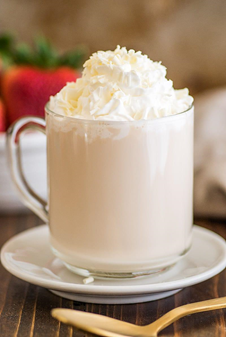
How to Make It – Step by Step
White Chocolate Sauce (makes enough for several drinks)
- 120g white chocolate
- 60ml heavy cream
- 30ml sweetened condensed milk
- 1 tsp vanilla extract
- Pinch of salt
Drink (per serving)
- 1–2 espresso shots
- 200ml milk
- 25–30g sauce
- Whipped cream (optional)
Step 1: Make the White Chocolate Sauce
- Heat the cream gently (don’t let it boil).
- Pour it over chopped white chocolate.
- Stir slowly until smooth.
- Add the condensed milk, vanilla, and salt.
Many people melt chocolate straight into the milk, but doing the emulsification separately prevents the fat from splitting when it hits the hot espresso.
Step 2: Brew Your Espresso Aim for:
- 25–30 seconds brew time
- ~36–40g liquid yield (for a double shot)
- ~9 bar pressure
A stronger extraction brings more bitterness, which nicely offsets the sweetness.
Step 3: Steam the Milk Heat milk to 65–70°C. Going above 72°C starts breaking down lactose, which reduces sweetness and hurts the foam.
You’re looking for microfoam—those tiny bubbles smaller than 0.5mm—for the best silky texture.
Step 4: Put It All Together (Order Matters!)
- Add the sauce to your cup first.
- Pour in the espresso.
- Stir until everything is uniform.
- Add the steamed milk slowly.
- Top with whipped cream if you like.
This sequence stops uneven layers from forming.
Homemade vs. Starbucks: What Really Makes the Difference
It’s not secret ingredients. The gap usually comes down to viscosity control and emulsifier levels. Commercial syrups have stabilizers that prevent fat crystallization—something harder to achieve at home.
Changing the white chocolate ratio affects foam stability because cocoa butter changes surface tension. That’s why baristas often steam milk a little longer with high-fat sauces to keep the foam nice and stable.
Here’s a helpful comparison:
Proprietary Comparison Table
| Variable | Higher Value Effect | Lower Value Effect | Hidden Trade-off |
|---|---|---|---|
| cocoa butter % | smoother texture | thinner mouthfeel | excessive fat mutes flavor contrast |
| espresso roast level | stronger balance | sweeter profile | darker roast reduces vanilla perception |
| milk fat % | longer flavor persistence | lighter drink | higher calories |
| sauce viscosity | consistent sweetness | uneven distribution | too thick reduces drinkability |
| temperature | better integration | less aroma release | overheating destabilizes emulsion |
The takeaway? Good replication is more about dialing in texture than hunting for fancy ingredients.
Success Metrics to Aim For
- Viscosity (Pa·s): Measures syrup thickness → ensures even sweetness
- Milk foam density: Bubble size consistency → affects mouthfeel persistence
- Extraction yield (g): Espresso strength → balances sweetness
- Serving temperature (°C): Controls aroma release
- Sweetness perception score: Confirms overall balance
Practical Tips From Experience
Want to adjust sweetness without making it watery? Add a tiny pinch of salt. It suppresses bitterness receptors and makes the drink taste sweeter naturally.
Vegan version: Swap in oat milk, coconut condensed milk, and dairy-free white chocolate. The texture will be a bit different because of how the fats crystallize.
A note from real-world testing: Higher cocoa butter sounds great for smoothness, but too much can cause surface oiling after 5–7 minutes at home (commercial equipment handles emulsification pressure better). Adding a bit of condensed milk helps stabilize things.
Things to Watch Out For
- White chocolate burns easily above 45°C direct heat.
- Overly thick syrup can clog steam pitchers.
- Artificial vanilla can take over the flavor.
- Pre-sweetened syrups often have stabilizers that are tough to copy at home.
- Espresso acidity changes a lot depending on the bean origin.
FAQ
Is white chocolate mocha actually chocolate? Technically no cocoa solids are present; the flavor comes from cocoa butter and milk sugars.
Why does my white chocolate clump? Temperature shock causes the cocoa butter to separate. Gentle, gradual heating prevents this.
Can I use white chocolate chips? Yes, but chips often include stabilizers that reduce how smoothly they melt.
Why does Starbucks taste sweeter? Commercial syrup viscosity helps the flavor stick around longer on your palate.
Can I make it without an espresso machine? Strong moka pot coffee works as a substitute, though the crema texture will be different.
Does milk type change the flavor significantly? Yes. Higher-fat milk increases flavor persistence by slowing how quickly the aromas evaporate.
How can I reduce calories? Use lower-fat milk and cut the sauce ratio by about 20%.
Final Thoughts
Making a white chocolate mocha that tastes like Starbucks isn’t about dumping in more sweet stuff. It’s about controlling emulsification, temperature, and the balance of fats.
When you get the cocoa butter and dairy proteins working together nicely, you’ll create that same stable, silky texture that delivers consistent flavor from the first sip to the last.
Give it a try—you might be surprised how close you can get right at home. Let me know how yours turns out!