
Executive Summary
The short answer: No verified U.S. recall was found for Starbucks’ Kiwi Starfruit Refresher. It looks like the drink was simply discontinued, not recalled.
Here’s the thing that trips a lot of people up: when a favorite item suddenly vanishes from the menu, it’s easy to assume something went wrong. That’s exactly what happened here.
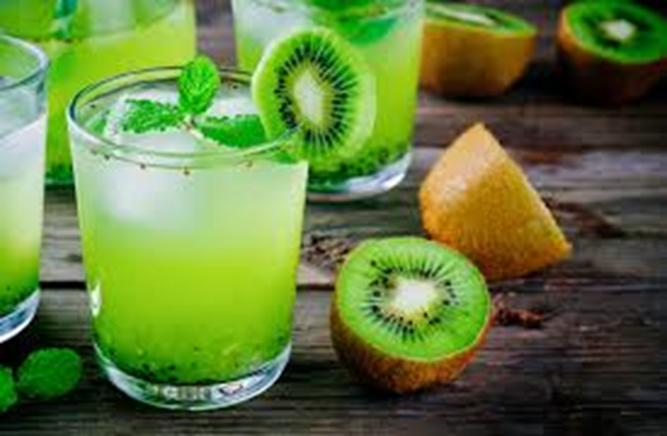
Starbucks introduced the Kiwi Starfruit Refresher nationally in the U.S. in August 2020 (after launching it first in Canada). It was a refreshing mix of starfruit-flavored juice, real kiwi pieces, and ice, with that signature lightly caffeinated Refreshers base.
The FDA clearly separates recalls from market withdrawals and discontinued items. A recall means there’s a safety or legal issue. Taking something off the menu? That can happen for all kinds of everyday business reasons—low demand, operational complexity, supply issues, or just menu refresh strategy.
Starbucks-branded bottled drinks have faced recalls in the past, but the big 2023 one involved bottled Vanilla Frappuccino (made by PepsiCo and sold in stores), not the handcrafted Kiwi Starfruit Refresher you ordered at the café.
Bottom line: “Recalled” and “discontinued” are not the same thing. A drink can disappear completely without ever showing up in FDA recall records.
For official U.S. food recall language, the go-to reference is FDA policy under 21 CFR Part 7—especially the differences between Class I, II, III recalls and simple market withdrawals.
Direct Answer
Starbucks Kiwi Starfruit Refresher was not recalled according to any official or reputable recall records I checked. The real story is that it was removed from the menu—most likely as part of normal menu cleanup and flavor rotation, not because of any food-safety problem.
The mix-up makes sense. The drink disappeared from lots of U.S. locations, and at the same time people saw headlines about Starbucks-branded bottled drinks being recalled. The 2023 recall that got so much attention was for 13.7-ounce bottled Vanilla Frappuccino drinks possibly containing glass. Those were retail bottles, not the café version of the Kiwi Refresher.
Industry Hub Mapping: Where This Topic Fits
This whole question sits right where food safety, menu strategy, how customers search, retail channels, and brand communication all overlap.
On one side you have Starbucks menu teams, store partners, suppliers, and the FDA. On the other, customers who just want their usual drink and get confused when it’s gone. The same “Starbucks” name covers two very different worlds: the handcrafted drinks made in cafés and the packaged bottled drinks sold in grocery stores. That split is why these rumors get so messy so fast.
Common view: “If Starbucks stopped selling it, something must have been wrong with it.” Refined insight: Café items get pulled for normal business or operational reasons all the time—without any safety issue at all. A recall needs a specific health, labeling, or contamination problem. Discontinuation just means the company decided to stop offering it.
Context: What Was the Kiwi Starfruit Refresher?
Starbucks launched the Kiwi Starfruit Starbucks Refreshers Beverage in the U.S. in August 2020. It was marketed as a tropical drink with starfruit-flavored juice, real kiwi pieces, ice, and the lightly caffeinated Refreshers base.
At the time, it was presented as joining the year-round menu, so fans naturally expected it to stick around. But in quick-service drinks, “permanent menu” doesn’t mean forever. It just means it wasn’t a limited-time seasonal item—still subject to later changes based on sales, operations, supply, or strategy.
Common view: “Permanent menu means it should still exist.” Refined insight: Even year-round items can be retired when sales, ingredient handling, or menu fit no longer make sense.
Core Concepts: Recall vs Discontinuation vs Shortage
A recall is a formal corrective action for a product that might violate FDA rules or pose a risk. It’s about fixing or removing defective, risky, or violative products.
A discontinuation is purely a business choice. Maybe it didn’t sell well, overlapped with newer drinks, complicated operations, created waste, or just didn’t fit the current menu vision anymore.
A shortage is a temporary supply hiccup. At store level it can feel exactly like discontinuation—some locations still have stock while others don’t—which leads to conflicting stories from customers.
The easiest way to tell them apart: Is there a recall number, affected lots, UPC, best-by date, health risk, or official notice? If the item just quietly vanished from the app and menu, discontinuation is far more likely.
Mechanism: Why the Recall Rumor Spread
The rumor followed a pretty predictable path:
- Customers noticed the drink was no longer available in the app or stores.
- Baristas gave different explanations—“while supplies last,” “not orderable,” or “discontinued”—depending on when and where you asked.
- Search engines started mixing “Starbucks recall” stories with “Starbucks kiwi refresher” searches.
- The real 2023 bottled Vanilla Frappuccino recall gave the rumor a believable hook.
That 2023 recall was legitimate: PepsiCo pulled 25,200 cases of Starbucks Frappuccino Vanilla chilled coffee drinks because of possible glass pieces. It was a Class II recall for retail bottled products—not the handcrafted café drinks.
Common view: “A Starbucks recall means Starbucks café drinks were unsafe.” Refined insight: Packaged Starbucks products are often made and distributed through completely separate channels. A recall in stores doesn’t automatically mean the café versions are affected.
Comparative Evaluation
| Scenario | What Customers See | Regulatory Signal | Most Likely Meaning | Decision Insight |
|---|---|---|---|---|
| Drink removed from app | Cannot mobile order | No recall notice | Discontinued or supply-constrained | Check menu status, not recall databases first |
| Store says “while supplies last” | Some stores still sell it | No lot/date warning | Inventory runout | Product may be exiting but not unsafe |
| FDA notice lists product, UPC, dates | Specific affected lots | Recall class assigned | Safety or compliance issue | Stop consuming affected product |
| News says “Starbucks recall” | Brand-level headline | Product may be bottled retail item | Channel-specific recall | Confirm exact product format |
| New similar kiwi drink appears abroad | Regional marketing | No U.S. recall | Localized menu development | Not evidence of U.S. relaunch |
One important note: the same flavor name doesn’t always mean the same product. For example, Starbucks launched a Kiwi Passionfruit Refresher-style drink in select Asia Pacific markets in June 2025. That’s a different market and different context—it doesn’t mean the original U.S. Kiwi Starfruit Refresher was recalled or is returning.
Downstream Impact
When a drink disappears, it shakes customer trust because many people automatically assume a safety issue. That puts extra pressure on baristas, who end up explaining corporate decisions on the fly with limited info. Inconsistent answers then fuel more “recall” or “why was it removed” searches.
Success Metrics Professionals Would Use
- Recall match accuracy: Whether product name, UPC, lot, and dates match a notice → Prevents mixing up unrelated recalls.
- Store availability rate: Share of stores that can still sell the drink → Helps separate shortage from true discontinuation.
- Ingredient waste rate: Expired bases or inclusions per store → Shows when low demand makes a drink inefficient.
- Customer complaint volume: Service tickets, app feedback, social mentions → Signals if clearer messaging is needed.
- Menu complexity load: Number of unique ingredients and prep steps → Helps decide if a drink slows down operations.
Practical Insights
For customers: Don’t jump to “recalled” unless you see a specific notice with product details, UPC, lot codes, best-by dates, recall class, and action steps. The FDA describes Class II recalls as cases where temporary or reversible health effects are possible, but serious issues are unlikely.
For writers and publishers: Stick to “discontinued” when that’s what the evidence shows. Calling something “recalled” suggests a health risk that may not exist.
For Starbucks fans: The original U.S. Kiwi Starfruit Refresher is no longer a standard menu item, and there’s no solid evidence its removal was due to a recall.
Field Note (Practitioner Insight)
In theory, companies could avoid confusion with a clear discontinuation announcement. In practice, inventory runs out unevenly across company stores, licensed locations, and supply chains. The smartest approach is usually a simple script for staff: “This item has been discontinued or is no longer available at this location,” without guessing about safety or future returns.
Expert Disagreement: Should Brands Explain Discontinuations Publicly?
Some brand teams like to keep explanations minimal so they stay flexible (especially if the item might come back). Customer-experience folks usually want clearer messaging because vague disappearances create rumors, extra support calls, and social posts asking if it was recalled.
A nice middle ground is a short app note like “No longer available” or “Seasonal item ended.” It cuts down on speculation without a big press release.
Limitations and Risks
Absence of a public recall notice isn’t absolute proof that no internal quality issue or quiet withdrawal ever happened. The FDA doesn’t post every recall with a press release, and listings eventually get archived. Even so, all available evidence points to discontinuation rather than recall. The most relevant documented Starbucks recall was the bottled Vanilla Frappuccino, and reports made clear those were not café products.
FAQ
Was Starbucks Kiwi Refresher recalled? No verified recall was found for the Starbucks Kiwi Starfruit Refresher. The evidence points to discontinuation, not a safety recall.
Why did Starbucks get rid of the Kiwi Starfruit Refresher? Starbucks hasn’t given an official recall-related reason. The most likely explanation is ordinary menu removal due to demand, product rotation, ingredient management, or operational fit.
Was the Kiwi Starfruit Refresher unsafe? There is no verified evidence that the drink was removed because it was unsafe. A safety issue would normally trigger a recall notice with affected lots and consumer instructions.
What Starbucks drink was recalled? A notable Starbucks-branded recall involved bottled Vanilla Frappuccino drinks in 2023 due to possible glass contamination. That was a packaged retail product distributed by PepsiCo, not an in-store Kiwi Refresher.
Is the Kiwi Refresher coming back? There is no confirmed U.S. return based on the sources reviewed. Starbucks has introduced other kiwi-related Refreshers in select international markets, but that does not confirm a U.S. comeback.
Why do people think it was recalled? Because the drink disappeared, store explanations varied, and unrelated Starbucks-branded recall headlines appeared in search results. That combination makes discontinuation look like a safety event.
How can I verify a Starbucks recall? Look for an FDA recall entry, company recall notice, product size, UPC, lot or best-by date, reason for recall, and recall classification. Without those details, “recalled” is usually too strong.
Conclusion
The Starbucks Kiwi Starfruit Refresher was not recalled based on available official records. It was a discontinued café beverage whose disappearance got mistaken for a recall—partly because Starbucks packaged products have had separate recalls in the past.
The real key is understanding the difference in channels and evidence. A handcrafted menu drink quietly leaving the stores is not the same as a bottled retail product being pulled with UPCs, dates, and an FDA classification. For this one, the accurate story is simple: Starbucks Kiwi Starfruit Refresher was discontinued, not recalled.