
Quick Take
For most folks, regular ginger ale edges out Coke if you’re trying to skip caffeine. But nutritionally? They’re both sugary sodas with basically zero real goodness. The difference is pretty small.
Here’s the fun part: ginger ale gets this “healthier” reputation that’s stronger than its actual benefits. A 12 fl oz Canada Dry Ginger Ale has 130 calories, 33g sugar, and 50mg sodium. A 12 fl oz Coke has 140 calories, 39g sugar, and 34mg caffeine.
Coke wins when you want a little caffeine boost, bolder flavor, or something that pairs nicely with food. Ginger ale is your pick for caffeine-free sipping, a gentler taste, or when your stomach feels off.
Neither one is a healthy everyday drink. The CDC links regular sugar-sweetened beverages to weight gain, type 2 diabetes, heart disease, non-alcoholic liver disease, tooth decay, and gout.
The real question isn’t ginger versus cola—it’s how often you’re drinking them. One can now and then is totally different from one (or more) every single day.
And no, ginger ale isn’t automatically better for an upset stomach. Most versions don’t actually have much real ginger compared to therapeutic doses. A lot of the comfort probably comes from the bubbles, sweetness, and hydration instead.
Bottom line from the FDA Nutrition Facts label: added sugar Daily Value is 50g on a 2,000-calorie diet. One regular Coke hits about 78% of that. One regular Canada Dry Ginger Ale is around two-thirds. The label matters way more than any brand’s “good for you” vibe.
Direct Answer
Ginger ale is usually the better choice if you want to avoid caffeine. Coke is better if you specifically want caffeine, cola flavor, or a stronger taste. From a health standpoint, neither wins by much because both are sugar-sweetened carbonated drinks. The practical winner depends on your use case: caffeine control, sugar intake, stomach comfort, dental exposure, and drinking frequency.
A lot of people think, “Ginger ale is healthier because it has ginger.” The more accurate take is that regular ginger ale may have a bit less sugar than regular Coke and is usually caffeine-free—but it’s still soda. That small edge disappears if you drink it often, grab bigger bottles, or treat the “ginger” part like it’s some kind of cure.
Why This Question Matters
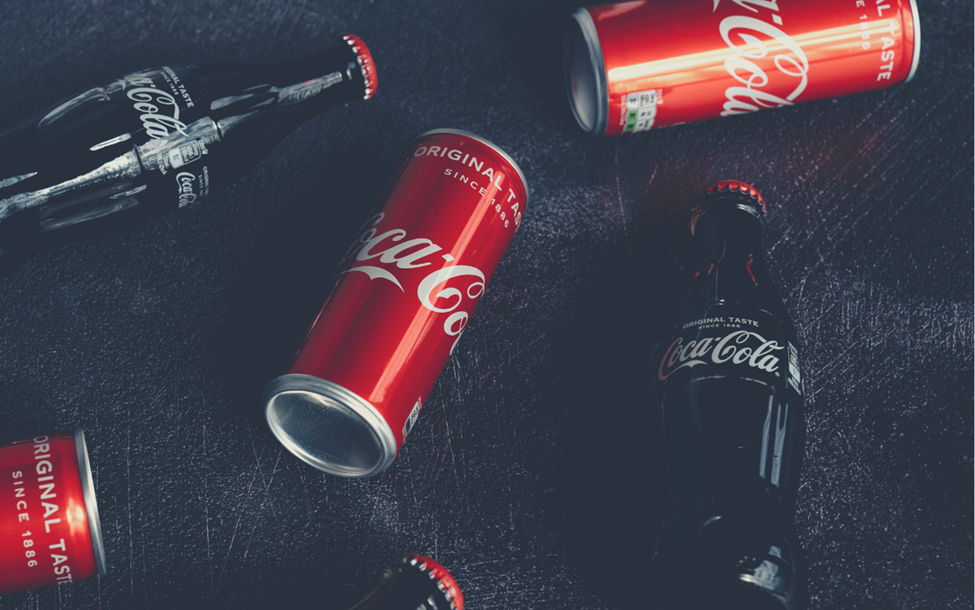
This ginger ale versus Coke debate touches on nutrition labels, how our brains work with branding, how drinks are made, dental health, caffeine habits, and store shelves.
A dietitian checks sugar and serving size first. A dentist thinks about acid and how long you sip. A sleep expert looks at caffeine timing. A brand person sees that ginger ale feels “light,” “calm,” and “stomach-friendly,” while Coke feels “classic,” “energizing,” and great with meals.
It’s not really just about taste. It’s about how the packaging and story change what we think we’re putting in our bodies.
Why So Many People Assume Ginger Ale Is Better
We’ve all heard it: ginger ale sounds natural, has ginger in it, no caffeine, and it’s what we reach for when someone’s feeling sick.
The truth is a bit more everyday. Real ginger does have some evidence for helping with nausea, but the amount in a typical can of ginger ale isn’t the same as concentrated ginger, capsules, tea, or the stuff used in studies. The Mayo Clinic does suggest small sips of cold, clear, carbonated drinks (including ginger ale) for nausea relief, but that doesn’t make it medicine.
Coke has the opposite image problem. Everyone knows it’s soda, so we’re less likely to fool ourselves into thinking it’s healthy. That can actually be a sneaky advantage—people treat it like the treat it is, while they might overdo ginger ale thinking it’s basically harmless.
Nutrition, Caffeine, Sugar, and Acidity—What’s Actually in Each?
A 12 fl oz can of Coca-Cola Original has 140 calories, 39g total sugars, 39g added sugars, 45mg sodium (in the caffeine-free version listing), and 34mg caffeine in regular Coke. A 12 fl oz Canada Dry Ginger Ale has 130 calories, 33g total sugars, 50mg sodium, and 0g fat or protein.
The FDA says the daily value for added sugars is 50g on a 2,000-calorie diet. One Coke gets you most of the way there. Ginger ale is a little lower but still packs a lot of sugar. Anything 20% or more of the daily value counts as “high.”
Lots of people just compare calories and pick the lower one. But liquid sugar hits your body differently than sugar that comes with fiber, fat, or protein. It doesn’t fill you up the same way, so it’s easy to keep drinking without realizing how much you’re adding.
What Actually Happens in Your Body
Both drinks are basically carbonated water, sweetener, acids and flavors, with almost no protein, fiber, or useful nutrients. The sugar gets absorbed fast. Blood sugar and insulin responses depend on the person, what else you’ve eaten, how active you are, and your health—but the pattern is simple: quick hit, weak satisfaction, easy to have another.
For your teeth, sugary drinks feed bacteria that make acids and wear down enamel. The American Dental Association points out that sipping over hours is worse than drinking with a meal because the acid exposure lasts longer.
The big difference is caffeine. Coke gives a mild lift. Ginger ale usually doesn’t. That can be helpful earlier in the day but not so great at night, for caffeine-sensitive people, or if you’re trying to cut back on sweet caffeinated habits.
Which Is Better in Different Situations?
Avoiding caffeine → Ginger ale (it’s typically caffeine-free) Reducing sugar slightly → Ginger ale (33g vs 39g in a 12 fl oz can—though both are high) Wanting energy or alertness → Coke (34mg caffeine for a mild boost) Upset stomach → Context dependent (ginger ale may be easier to sip, but it’s not the same as real therapeutic ginger) Dental risk → Neither (both have sugar and acid; sipping frequency matters most) Daily beverage → Neither (water, unsweetened tea, black coffee, or seltzer are better defaults) Occasional treat → Tie (pick what tastes good and fits your caffeine needs, and watch the portion)
The Real Trade-Offs
| Decision Dimension | Ginger Ale Advantage | Coke Advantage | Hidden Trade-Off |
|---|---|---|---|
| Perceived health vs actual nutrition | Sounds lighter and “ginger-based” | More obviously treated as soda | Ginger ale’s health halo may encourage more frequent use |
| Caffeine control vs functional stimulation | Better for evenings, kids, caffeine-sensitive adults | Better for mild alertness | Coke may become a caffeine-sugar habit loop |
| Sugar load vs satisfaction | Slightly lower sugar in common 12 fl oz | Stronger flavor may feel more satisfying in smaller portions | A weaker-tasting drink can lead some people to drink more volume |
| Stomach comfort vs clinical effect | Carbonation and mild flavor may be tolerable | Less associated with nausea relief | Ginger ale is not equivalent to ginger medicine or oral rehydration solution |
| Brand honesty vs wellness framing | Feels “gentle” | Clearly positioned as cola soda | The less “healthy-sounding” option may be consumed more consciously |
What This Means for Your Habits
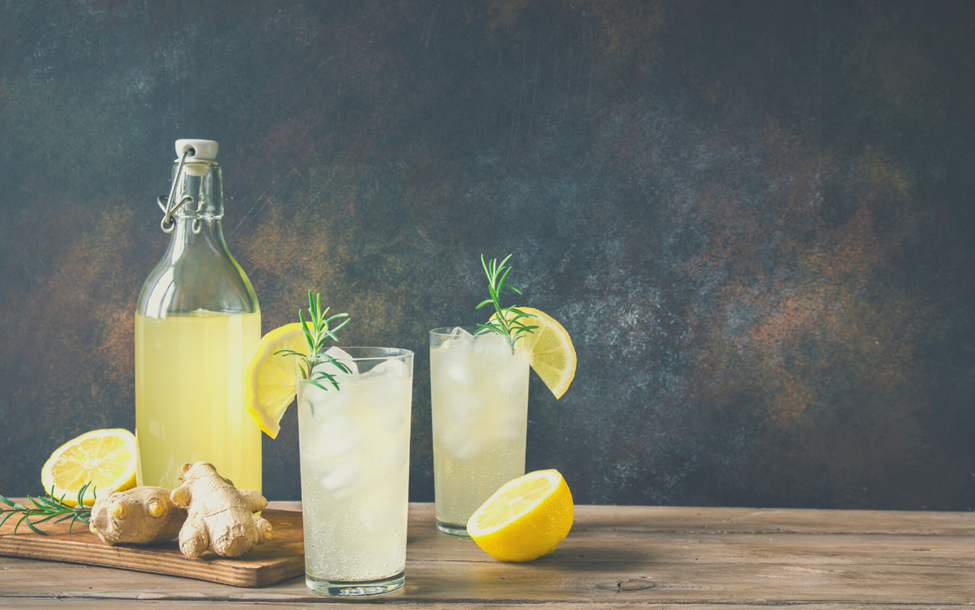
Switching sodas once a week doesn’t move the needle much. Going from two daily Cokes to two daily ginger ales drops some caffeine and sugar, but you’re still dealing with daily sweetened drinks. The smarter move is usually cutting back overall—smaller cans, soda only with meals, or swapping more often for water or seltzer.
What Actually Matters Long-Term
- Added sugar grams per week: Shows real exposure better than judging one can.
- Cans per week: Frequency drives habits and dental risk.
- Caffeine timing: When was your last caffeinated drink?
- Sipping duration: Longer time open = more acid exposure on teeth.
- Substitution rate: How often you reach for water, seltzer, or unsweetened tea instead.
Real-World Advice
The “just pick ginger ale because it’s healthier” idea only works when the specific perks matter—no caffeine, milder flavor, or easier on a queasy stomach. For actually cutting sugar, smaller portions beat switching brands.
A 7.5 oz mini can of Coke can be a smarter choice than a 20 oz bottle of ginger ale. Serving size often matters more than the name on the label.
In real life, we buy whatever’s in the multipack, vending machine, or fountain. So set your portion rules first—mini cans, share a bottle, or only with meals—before worrying about which flavor.
Should You Go Zero-Sugar?
Some experts say switch to diet or zero-sugar versions to cut sugar right away. Others prefer training your taste buds toward unsweetened drinks so you don’t keep craving super sweet things. Both approaches make sense depending on where you are in your journey.
A Few Honest Limitations
Results vary by brand, country, bottle size, and recipe. Always check the Nutrition Facts on the one in your hand. And “better” can mean taste, health, digestion, caffeine, cost, or habit control—there’s no one-size-fits-all winner.
FAQ
Is ginger ale healthier than Coke? Slightly, in some cases. Regular ginger ale is often caffeine-free and may contain less sugar than regular Coke, but both are sugar-sweetened sodas.
Does ginger ale have less sugar than Coke? In the common 12 fl oz comparison, Canada Dry Ginger Ale lists 33g sugar, while Coca-Cola Original lists 39g sugar. The difference is real but not large enough to make ginger ale a health drink.
Is Coke worse because it has caffeine? Not always. Caffeine is a drawback for children, evenings, pregnancy-related caution, anxiety sensitivity, or sleep issues, but it can be a desired feature for adults who want mild stimulation.
Is ginger ale good for nausea? It may be tolerable in small sips, especially when cold and carbonated, but commercial ginger ale should not be treated as a clinical ginger remedy. For dehydration or persistent vomiting, oral rehydration solutions are more purpose-built.
Which is better for teeth? Neither is ideal. Both sugar and acidity can contribute to enamel and cavity risk, especially when drinks are sipped over long periods.
Is zero-sugar ginger ale better than regular Coke? For added sugar reduction, yes. But zero-sugar soda is still acidic and may maintain a preference for sweet drinks.
Which should I drink with food? Choose based on taste and caffeine preference. Drinking soda with a meal is generally better than sipping it slowly between meals because it reduces repeated exposure windows.
Final Thoughts
Ginger ale beats Coke in a narrow, practical way: it’s usually caffeine-free and might have a touch less sugar. Coke wins when you want the caffeine and that classic cola kick.
But the bigger truth? Both are occasional treats, not everyday drinks. The smartest question isn’t “ginger ale or Coke forever?” It’s: How often? What size? What time of day? With food or sipped slowly? Regular or zero-sugar? Once you answer those, the right choice for you becomes pretty clear.