
Quick Take
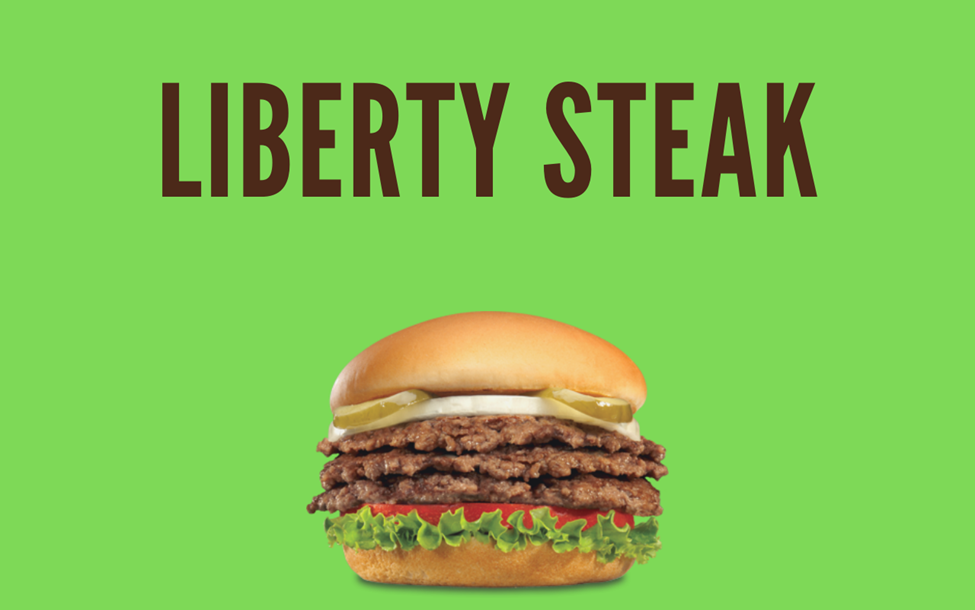
A Liberty steak wasn’t some fancy new cut of meat. It was basically just a wartime American rebrand for the humble hamburger—sometimes called a “liberty sandwich”—that popped up during the wave of anti-German feeling around World War I.
Here’s the contrarian insight: Americans didn’t stop eating Liberty steaks. They just stopped using the name. The food itself stuck around because the hamburger’s practical appeal easily outlasted the political label.
You’ll find the term showing up in 1918 newspaper clippings, often with headlines like “Liberty steak for hamburger.” It happened right alongside sauerkraut getting rebranded as “liberty cabbage.”
The common online story says “Americans renamed German foods.” The more accurate picture is that some restaurants, writers, civic groups, and patriotic campaigns pushed these name changes. It never became a full-blown national standard.
The rename didn’t stick because “hamburger” described something familiar and useful, while “Liberty steak” was mostly about the political mood of the moment. Once that mood passed, the practical name came right back.
At its heart, this story belongs more to food-label history than cooking history. Names shift when identity, trust, and public pressure bump into each other.
One modern regulatory note: Under U.S. rules, “hamburger” and “ground beef” have strict definitions, while “Liberty steak” has none. Per 9 CFR §319.15, hamburger can include added beef fat and can’t go over 30% fat; ground beef can’t have added fat at all.
Today the phrase mostly lives on as a great case study in patriotic rebranding—think “freedom fries”—rather than any lost American recipe.
Direct Answer
A Liberty steak was simply a patriotic American name for a hamburger or hamburger steak, used mainly during World War I when German-sounding words felt socially risky. It came from the same wave that turned sauerkraut into “liberty cabbage” and frankfurters into “liberty sausage” or just “hot dogs.” 1918 newspaper clippings directly link “Liberty steak” with “hamburger.”
Americans don’t eat “Liberty steak” anymore because the name lost its reason for existing once the wartime anti-German pressure eased up. The dish never disappeared—it just folded back into the everyday world of hamburgers, chopped steaks, and ground-beef patties. In short: the food survived, but the propaganda label expired.
Where Liberty Steak Fits in the Bigger Picture
Liberty steak sits at the crossroads of four main areas:
Food history Wartime renaming of German-associated foods → Explains why the name appeared suddenly and vanished quickly
Immigration history German Americans faced suspicion and cultural pressure during WWI → Shows how food names became proxies for loyalty
Language and branding “Hamburger” got swapped for patriotic wording → Demonstrates how names compete on usefulness, familiarity, and identity
Food regulation Modern “hamburger” has legal standards; “Liberty steak” doesn’t → Explains why the old term has no real commercial reason to return
The bigger lesson? A food name survives when it clearly tells buyers what they’re getting. “Hamburger” did that perfectly. “Liberty steak” signaled patriotism but created confusion.
Why German-Sounding Foods Suddenly Became Suspect
The U.S. entered World War I against Germany in April 1917 after issues like unrestricted submarine warfare and the Zimmermann Telegram. Once America joined the fight, anti-German sentiment swept through daily life. The Library of Congress records that German-American institutions were targeted and that names of schools, foods, streets, and towns were frequently changed.
Most people think Liberty steak was just a quirky old name for a hamburger. The fuller picture is that it was a small but telling symptom of a larger loyalty test. German words, music, schools, town names, and food labels all became stages where people performed patriotism.
This matters because Liberty steak wasn’t born from any culinary creativity—it was born from social pressure. The exact same beef patty could be perfectly acceptable or suddenly suspicious depending on what you called it.
Liberty Steak Was a Rename, Not a New Recipe
The key fact is that a Liberty steak was generally just a hamburger by another name. Period newspapers from 1918 make this connection explicit, framing “Liberty steak” as the stand-in for “hamburger.”
The term can feel confusing today because “hamburger” back then could mean either the ground-beef preparation or the sandwich that later became iconic. A hamburger might be a chopped beef patty on a plate or served in bread. “Liberty steak” leaned into the plated-meat idea, making it sound more like good old American beef and less like anything German.
Common take: Americans renamed it because “Hamburg” sounded too German. More precise: The rename only worked where sellers could convincingly reposition a ground-beef patty as a “steak.” It was a branding move, not a brand-new dish.
Why the Name Appeared—and Why It Quickly Faded
A food name has three jobs: identify the product, reduce uncertainty for the buyer, and give the food some cultural flavor. “Hamburger” did all three well—it was familiar, short, and already connected to a specific way of eating.
“Liberty steak” only really handled the cultural part. It added patriotic meaning, but it made the product itself less clear. Was it a steak? Chopped steak? Sandwich? Beef patty? The name only made sense in the middle of wartime emotion.
Most people say the name disappeared because the war ended. The deeper reason: Its only real advantage was political. Once the anti-German pressure lifted, “hamburger” was simply more useful on menus, in ordering, in supply chains, and in everyday memory.
The same thing happened with “liberty cabbage”—it never permanently replaced sauerkraut. When a name is tied to a temporary enemy, it comes with a built-in expiration date.
Liberty Steak vs. Hamburger vs. Chopped Steak
| Name | What It Communicates | Strength | Weakness | Why It Won |
|---|---|---|---|---|
| Hamburger | Ground beef associated with Hamburg-style preparation, later a sandwich | Familiar, compact, commercially clear | German origin could be politically awkward in wartime | Won because utility outlasted stigma |
| Liberty steak | Patriotic substitute for hamburger | Useful during anti-German pressure | Vague product identity; tied to wartime emotion | Lost because the political context faded |
| Chopped steak | Ground or chopped beef served like steak | Descriptive and menu-friendly | Less portable as a sandwich identity | Survived as a separate restaurant category |
| Beef patty | Neutral product description | Clear in food production and labeling | Less culturally resonant | Survives in retail and regulation |
What Happens When You Change a Food Name
Changing what you call something affects trust at the counter and how smoothly things run in the kitchen. Customers rely on names as quick shortcuts for ingredients, format, and price. When “hamburger” became “Liberty steak,” restaurants might have gained patriotic points but lost clarity—requiring extra explanations, different menu wording, and supplier adjustments.
That’s the hidden trade-off: patriotic rebranding can lower reputational risk in a crisis, but it increases everyday friction. Someone who instantly knows “hamburger” might pause at “Liberty steak,” especially if it sounds like a pricier whole cut instead of ground beef.
Why “Liberty Steak” Has No Place in Modern Regulations
Today’s guiding star for meat names isn’t old stories—it’s official food identity and labeling rules. Under 9 CFR §319.15, “ground beef” and “hamburger” are clearly defined. Both max out at 30% fat and can’t include added water, phosphates, binders, or extenders. The main difference: hamburger can have added beef fat; ground beef cannot.
A lot of people think a hamburger is just ground beef. In regulatory terms, they overlap but aren’t exactly the same. That distinction makes “Liberty steak” even less practical today—it has no regulatory definition, no labeling edge, and no built-in consumer recognition.
This is exactly why the term stayed historical instead of becoming commercial. Modern processors reach for “hamburger,” “ground beef,” “beef patty,” or “chopped steak” because they’re clear. “Liberty steak” would need an explanation right where clarity matters most.
Why Some Food Renames Live On and Others Don’t
| Rebranding Type | Example | Survival Probability | Hidden Mechanism |
|---|---|---|---|
| Practical simplification | Frankfurter → hot dog | High | Shorter, easier, and not only political |
| Political substitution | Hamburger → Liberty steak | Low | Depends on a temporary enemy image |
| Ingredient clarification | Ground beef → beef patty | Medium | Works when the new term improves clarity |
| Origin erasure | Sauerkraut → liberty cabbage | Low | Removes heritage but doesn’t improve description |
| Cultural assimilation | Hamburger becoming “American” | High | The old name is reinterpreted rather than replaced |
The interesting twist is that the hamburger won by feeling less German in meaning without actually losing its German-derived name. Once it became part of diners, drive-ins, and fast food, it didn’t need any disguise.
How Experts Would Judge a Rename
- Menu comprehension rate: How many customers understand the item without asking? Low rates slow everything down.
- Repeat-order stability: Do customers use the new name on future visits? Shows if it actually stuck in memory.
- Substitution cost: All the updates to staff training, signs, packaging, and suppliers. Political names often add costs without long-term payoff.
- Product identity precision: Does the name clearly signal ingredients and format? Prevents mix-ups between steak, patty, and sandwich.
- Post-crisis persistence: Does the name survive after the original event? This separates lasting brands from temporary signals.
Practical Takeaways
Liberty steak failed because it solved a social problem while creating a commercial one. A menu name needs to stay useful long after the headlines fade. “Hamburger” had built up real-world meaning over time; “Liberty steak” only borrowed emotional meaning from the war.
Field Note Theory says renaming can shield a product from stigma. In real life, the hard part is customer recognition—people order by habit. One common workaround was dual-labeling: “Liberty steak, formerly hamburger” or “patriotic hamburger steak.” That kept recognition while showing alignment with the mood of the times.
The dual-label issue explains why the original name usually wins. If your new name needs the old name to explain it, the old name still owns the category.
Different Ways to Look at It
Historians often see Liberty steak as wartime nativism or anti-German propaganda. Food-branding experts see it as crisis rebranding—sellers trying to protect demand by removing a stigmatized link.
Both perspectives make sense depending on the lens. The propaganda view captures the political climate. The branding view explains why the name didn’t last. Something can be politically strong and commercially weak at the same time.
Common Mix-Ups About Liberty Steak
There are three frequent misunderstandings:
- Some accounts put the rename in World War II. There may have been echoes later, but the clearest documented period is World War I, backed by 1918 newspapers and the broader anti-German renaming climate.
- Some sources call it “liberty sandwich” instead of “Liberty steak.” That variation probably came from local menu differences—a patty on bread could be pitched as a sandwich, while the same ground beef on a plate could be called steak.
- Liberty steak isn’t a lost recipe. It was a lost label. Any search for an “authentic” recipe usually circles back to hamburger steak, chopped beef, or a standard hamburger patty.
FAQ
What was a Liberty steak? A Liberty steak was usually a hamburger or hamburger steak renamed during World War I to sidestep the German-sounding word “hamburger.”
Did Americans really call hamburgers Liberty steaks? Yes, at least some did. 1918 newspaper clippings directly refer to “Liberty steak” as a substitute for hamburger.
Was Liberty steak created during World War I or World War II? The strongest documented wave is World War I, especially 1918. Some later stories link it to World War II, but WWI evidence is clearer.
Is Liberty steak the same as Salisbury steak? Not exactly. Both use ground or chopped beef, but Salisbury steak is its own seasoned patty dish usually served with gravy. Liberty steak was mainly a patriotic rename for hamburger.
Why did the name disappear? It disappeared because its purpose was temporary. Once anti-German wartime pressure faded, “hamburger” was clearer, shorter, and more familiar.
Do Americans still eat Liberty steak? They still eat the food, just under names like hamburger, hamburger steak, chopped steak, beef patty, or ground-beef patty.
Could a restaurant sell Liberty steak today? Sure, as a novelty or historical menu item. For clear labeling and customer understanding, though, they’d usually still explain that it’s a hamburger-style ground-beef patty.
Final Thoughts
Liberty steak is best seen as a wartime name for a hamburger, not some vanished American dish. It rose with World War I anti-German feelings and faded because everyday language favors usefulness. “Hamburger” told people exactly what they were getting. “Liberty steak” told them what attitude they were supposed to feel.
That’s why Americans don’t eat Liberty steaks anymore: the patriotic label had an expiration date, while the hamburger became American enough that it no longer needed hiding.