
Executive Summary
- Direct answer: Lobsters are called “bugs” because they look and move like large marine arthropods, and because “bug” is often used casually for many joint-legged, hard-shelled creatures—not because lobsters are insects.
- The scientific fact: Lobsters are crustaceans in the phylum Arthropoda, the same broad animal phylum that includes insects, spiders, crabs, shrimp, and barnacles.
- Contrarian insight: Calling a lobster a “bug” is scientifically sloppy at the insect level but surprisingly reasonable at the arthropod level.
- The phrase “sea bug” survives because it compresses three observations: segmented body, jointed legs, hard exoskeleton.
- The word “lobster” itself has an insect-adjacent history: Latin locusta was associated with both locusts and lobsters, and English developed through older forms shaped by “creepy-legged” resemblance.
- The common myth that lobsters were merely “trash food” for prisoners is often overstated; the deeper point is that abundance, preservation limits, and class perception shaped their reputation.
- A recent overlooked issue changes the tone: several jurisdictions and policy debates now treat decapod crustaceans, including lobsters, as animals with welfare relevance, not just “sea insects.” The UK extended animal sentience recognition to decapod crustaceans and cephalopods after an evidence review.
- The best answer is not “lobsters are bugs.” It is: lobsters are not insects, but they are arthropods, and casual language turns that shared body plan into the nickname “bug.”
Direct Answer
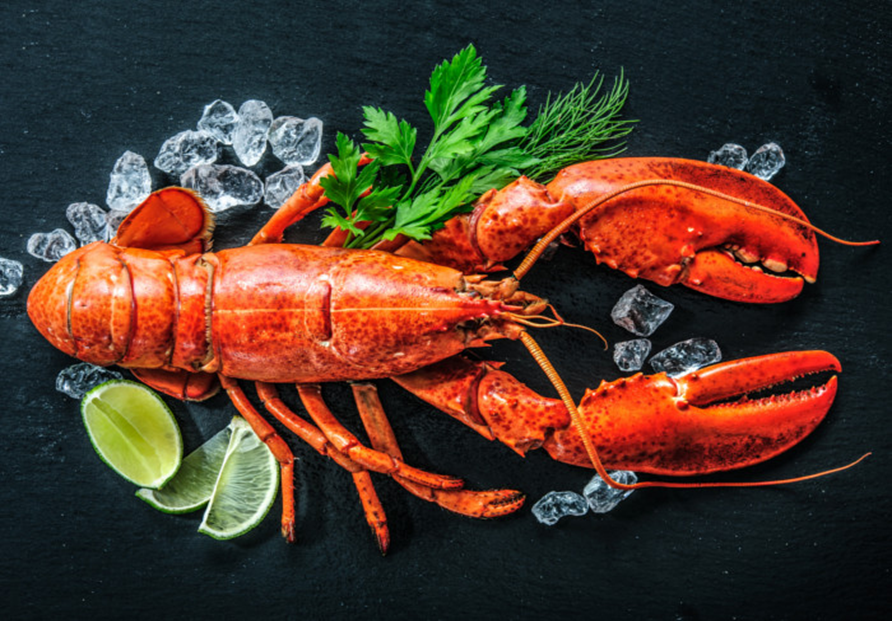
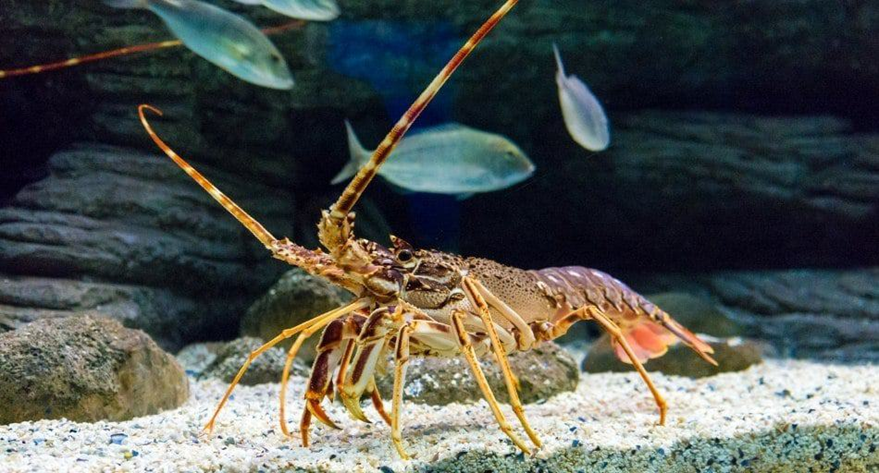
People call lobsters “bugs” because they have the traits we usually associate with bugs: a hard external shell, jointed legs, segmented body parts, antennae, and that distinctive crawling movement. In everyday speech, “bug” stretches way beyond true insects to mean any small or creepy-crawly arthropod-like creature—even big ones like lobsters.
Merriam-Webster notes that “bug” has a strict meaning (true bugs in the insect order Hemiptera) but also records the much broader informal use for small arthropods that resemble them.
Scientifically, a lobster is a crustacean, not an insect. The American lobster (Homarus americanus) sits in the classification: Animalia > Arthropoda > Crustacea > Malacostraca > Decapoda > Nephropidae. The nickname still makes sense because insects and lobsters share a deeper structural identity: both are arthropods with segmented bodies, jointed appendages, and a molted exoskeleton.
Context: The Status Quo Answer Is Only Half Right
Most search results give the quick reply: “Lobsters are called bugs because they look like insects.” That’s true, but it stops too soon. The fuller picture is that “bug” works in two ways at once—informal language and scientific classification.
Common View — Lobsters are called bugs because they resemble insects. Refined Insight — The resemblance matters because both belong to Arthropoda, the broad phylum defined by jointed limbs and external skeletons. The real mistake isn’t the comparison itself; it’s treating “bug” like a precise scientific label.
This distinction is important. People often argue over the wrong category. A lobster isn’t a bug in the strict entomological sense—it’s not an insect and definitely not a “true bug” in Hemiptera. But in casual English, “bug” works as a visual category, which is why we also loosely call pill bugs, spiders, centipedes, and beetles “bugs” even though they belong to different biological groups.
Industry Hub Mapping: Where the “Lobster Bug” Question Fits
This question touches several different knowledge areas:
| Knowledge Hub | How It Connects to Lobsters Being Called Bugs |
|---|---|
| Taxonomy | Distinguishes crustaceans from insects while placing both inside Arthropoda. |
| Linguistics | Explains why common names preserve old visual associations long after science becomes more precise. |
| Seafood culture | Shows how fishermen, cooks, and diners use practical nicknames rather than formal species names. |
| Animal welfare law | Changes how “sea bug” language is interpreted when decapods are considered sentient animals. |
| Consumer perception | Affects whether people see lobster as luxury seafood, alien creature, or “ocean insect.” |
| Fisheries and food handling | Uses species identity for regulation, labeling, traceability, and welfare practices. |
The bigger picture isn’t just biology. It also includes seafood marketing, food ethics, legal classification, restaurant handling, and the psychology of disgust.
Core Concepts: Lobsters Are Arthropods, Not Insects
Here’s the key fact: all insects are arthropods, but not all arthropods are insects. Lobsters and insects share the broad arthropod body plan, but they split off at lower classification levels.
NOAA describes the American lobster as a crustacean with a shrimp-like body and 10 legs, including two large claws. That’s why they belong to Decapoda—“ten feet.” Insects, on the other hand, have three body regions and only three pairs of legs. Merriam-Webster defines insects as arthropods with a head, thorax, abdomen, and three pairs of legs.
Common View — Lobsters and insects are totally different animals. Refined Insight — They’re different at the class level, but related at the phylum level. The nickname “bug” comes from that shared architecture: hard shell, segments, legs, antennae, and molting.
That’s why the term feels both wrong and right. Wrong if you mean “insect.” Understandable if you mean “arthropod-like creature.”
The Mechanism: Why Lobsters Trigger the “Bug” Category in the Human Brain
We humans classify animals visually long before we think about science. Lobsters hit the same pattern-recognition buttons as insects: lots of appendages, armored body plates, antennae, sideways crawling, and a face that doesn’t look anything like mammals, birds, or fish.
The exoskeleton is a big part of it. Mammals keep their skeletons inside; arthropods wear theirs on the outside. That armor has to be molted as they grow, giving lobsters a mechanical similarity to many insects. Arthropods are defined by segmented bodies, jointed appendages, and a chitinous exoskeleton that gets shed periodically.
Common View — Lobsters look creepy, so people call them bugs. Refined Insight — “Creepy” isn’t random. It comes from that specific body plan: external armor, visible joints, and many moving limbs. The nickname is basically folk taxonomy based on how they look.
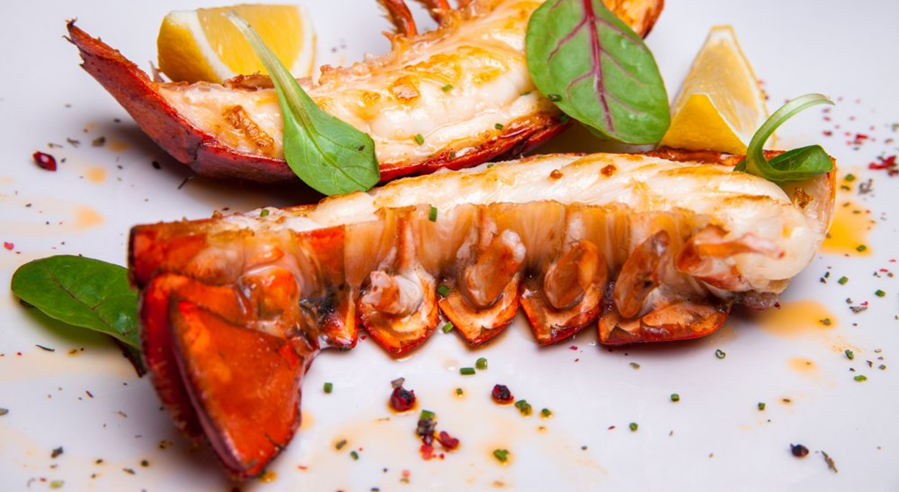
This also explains why you hear “sea bug” more for live whole lobsters than for tails on a plate. Once the claws, antennae, legs, and face are gone, it becomes luxury protein instead of “sea bug” in our minds.
The Etymology: Lobster Has Always Had a Bug Problem
The “bug” nickname isn’t new slang. The word “lobster” has a long history tied to insects.
Etymology sources trace it through older forms connected to Latin locusta, a word used for both locusts and lobsters. Older English versions like “lopystre” or “loppestre” blended that history with the visual impression of all those spidery legs.
Common View — “Sea bug” is just a fisherman’s joke. Refined Insight — The bug comparison is older and deeper than modern slang. European languages grouped lobsters and locust-like creatures by looks long before modern taxonomy separated them.
Common names often preserve pre-scientific thinking. People named animals by resemblance, habitat, danger, taste, or usefulness. Science later sorted them by anatomy and evolutionary relationships.
Industry North Star: Formal Taxonomy Does Not Care About Nicknames
The guiding star for animal naming is formal zoological nomenclature, managed by the International Commission on Zoological Nomenclature (ICZN). They set the rules for scientific names and resolve naming issues.
The important nuance is that the ICZN governs scientific names, not casual ones. Homarus americanus has real taxonomic weight. “Bug,” “sea bug,” “Maine lobster,” or “ocean roach” are just cultural labels—handy in conversation, but they don’t change the official classification.
Search-gap question: Are lobsters technically bugs? Definitive answer: No, not if “bug” means a true bug or insect. Yes only in the loose everyday sense of a hard-shelled, joint-legged arthropod-like creature. The precise label is crustacean, decapod, arthropod.
Comparative Evaluation: Bug, Insect, Crustacean, Arthropod
| Term | Technical Accuracy for Lobster | Why People Use It | Where It Fails |
|---|---|---|---|
| Bug | Low technically, medium casually | Captures the visual impression of many legs, shell, antennae | “Bug” strictly refers to certain insects or informal arthropod-like animals |
| Insect | Incorrect | Used by people who equate all small joint-legged animals with insects | Lobsters have 10 legs and are crustaceans, not insects |
| Crustacean | Correct | Identifies lobsters with crabs, shrimp, crayfish, barnacles | Less intuitive for casual readers |
| Decapod | More precise | Identifies 10-legged crustaceans such as lobsters, crabs, shrimp | Too technical for everyday speech |
| Arthropod | Broadly correct | Explains why lobsters resemble insects structurally | Too broad; also includes spiders, centipedes, and many other groups |
Contrarian insight: “Bug” isn’t useless language. It’s a low-resolution label. Problems start when people mistake low-resolution language for scientific classification.
Proprietary Comparison Table: When the “Bug” Label Helps or Misleads
| Use Case | Calling Lobsters “Bugs” Helps Because… | It Misleads Because… | Best Term to Use |
|---|---|---|---|
| Teaching kids basic biology | It links lobsters to visible arthropod traits | Kids may think lobsters are insects | “Marine arthropod” |
| Seafood marketing | It creates humor and memorability | It may trigger disgust | “Lobster” or “shellfish” |
| Scientific writing | Almost never helpful | It is taxonomically vague | “Decapod crustacean” |
| Animal welfare debate | It challenges the idea that only mammals matter | It can trivialize pain or sentience concerns | “Decapod crustacean” |
| Restaurant conversation | It explains the “creepy-crawly” reaction | It can make premium seafood sound dirty | “Lobster” |
| Fisheries regulation | Not useful | Regulations depend on species identity | Species name, such as Homarus americanus |
Downstream Impact: Language Changes Welfare Decisions
How we talk about lobsters affects real-world handling. “Bug” language can make them seem like simple, low-status creatures, which influences food-service policies, staff training, and humane slaughter practices.
This isn’t just theory. The UK government extended its Animal Welfare Sentience Bill to recognize decapod crustaceans (including lobsters and crabs) and cephalopod mollusks as sentient beings after an independent evidence review. The review looked at issues like declawing, transport, stunning, slaughter, and sale to non-expert handlers.
Common View — Whether lobsters are called bugs is just a funny naming question. Refined Insight — The label influences moral distance. Calling an animal a “bug” can make rough handling feel less serious, even as laws and science move toward better welfare standards.
Field Note: Practitioner Insight
Theory might suggest restaurants should use formal terms like “decapod crustacean,” but in real kitchens it’s tricky. Staff work under time pressure, with varying training levels and customer demand for live seafood. A practical approach is to separate customer-facing language from operations: menus say “lobster,” while internal procedures detail storage temperature, time out of water, stunning methods, and authorized handlers.
Accurate language alone doesn’t change behavior. A restaurant can drop “sea bug” and still mishandle lobsters. A dockworker can call them bugs while treating them carefully.
Expert Disagreement: How Precise Should Everyday Language Be?
Experts don’t always agree on how strictly we should police casual language.
One side pushes for precision: lobsters are crustaceans, not bugs—using “bug” creates confusion. This matters in classrooms, labeling, conservation, and regulation.
The other side accepts casual terms as long as context is clear. “Bug” works like the everyday use of “fish”—it describes shape and behavior, not evolutionary placement.
The sensible middle ground is context-based: use “bug” for humor or casual chat. Switch to “crustacean,” “decapod,” or the species name when accuracy matters for education, regulation, welfare, allergies, sourcing, or science.
Success Metrics Professionals Use
| Metric | What it Measures | Why it Matters |
|---|---|---|
| Taxonomic accuracy | Whether the animal is correctly identified as crustacean, decapod, arthropod, or species | Prevents misinformation in education, labeling, and regulation |
| Consumer comprehension | Whether readers understand “not an insect, but an arthropod” | Measures whether the explanation resolves confusion |
| Handling compliance | Whether live-lobster storage and dispatch procedures follow local rules or internal standards | Connects language to operational welfare practice |
| Mislabeling rate | Frequency of vague or incorrect seafood names in menus, packaging, or training material | Reduces customer confusion and regulatory risk |
| Decision speed | How quickly staff can choose the correct term for the context | Helps teams communicate accurately without slowing operations |
Limitations and Risks
The phrase “lobsters are bugs” should never be presented as a biological fact without clarification. It’s a metaphor, not a classification.
There’s also a risk in overcorrecting. Saying “lobsters are not bugs at all” hides the deeper truth that lobsters and insects share the arthropod body plan. The better answer is layered: lobsters are not insects; they are crustaceans; crustaceans and insects are both arthropods.
Common names also vary by region. “Bug” can mean a true bug to an entomologist, a household pest to a homeowner, a software error to an engineer, or a tasty crustacean to a fisherman. Context is everything.
FAQ
Are lobsters actually bugs? Not technically. Lobsters are crustaceans, not insects or true bugs. They are arthropods, which explains why people informally compare them to bugs.
Are lobsters related to cockroaches? Only very distantly. Lobsters and cockroaches are both arthropods, but lobsters are crustaceans and cockroaches are insects.
Why do people call lobsters sea bugs? Because lobsters have a hard shell, jointed legs, antennae, segmented body parts, and a crawling movement. Those traits visually resemble what many people casually call bugs.
Is a lobster an insect? No. Insects have three pairs of legs and a body organized into head, thorax, and abdomen. Lobsters have 10 legs and belong to crustaceans.
What is the most accurate name for a lobster? The most accurate general term is “decapod crustacean.” For the American lobster specifically, the scientific name is Homarus americanus.
Did lobsters get their name from locusts? The word history is connected. Etymology sources trace “lobster” to older forms related to Latin locusta, a word associated with both locusts and lobsters.
Why do lobsters look so alien? They look alien to humans because they use an external skeleton, jointed limbs, antennae, claws, and segmented armor rather than the internal skeleton and soft exterior common to mammals.
Conclusion
Lobsters are called bugs because everyday language notices shape before taxonomy. A lobster crawls, molts, wears armor on the outside, waves antennae, and moves on jointed legs—so our eyes naturally group it with “bugs,” even though science places it among crustaceans.
The fact you should know is this: a lobster is not an insect, but it is an arthropod. That makes “bug” technically imprecise but culturally understandable. The sharper takeaway isn’t to dismiss the nickname or repeat it as fact. It’s to recognize what the nickname reveals: common language remembers what we see, while taxonomy explains the deeper connections behind it.