
If you’ve ever tried recreating the Starbucks Caramel Macchiato at home and felt like something was missing, you’re not alone. Most of us focus on getting it sweeter, but the real magic isn’t extra sugar—it’s in how the layers work together.
At its heart, the Caramel Macchiato is an inverted latte: you start with vanilla-sweetened milk, then gently layer the espresso on top to keep that beautiful aromatic contrast. The secret lies in density stratification between the milk foam and the espresso oils. Get that right, and the drink feels far more complex and satisfying.

Why Most Home Versions Fall Flat
The biggest mistake people make is chasing sweetness instead of protecting the layering. A small tweak in vanilla syrup concentration can actually change how sweet the drink tastes more than piling on extra caramel. Milk temperature matters too—anything above about 65°C starts breaking down the foam and collapses that nice separation. Even the viscosity of your caramel sauce affects both the pretty stripes you see and how long the flavor lingers in your mouth.
And here’s something cool: vanilla aromatics actually amplify your perception of sweetness, which means you can often use less sugar and still enjoy a richer-tasting drink.
A Quick Background
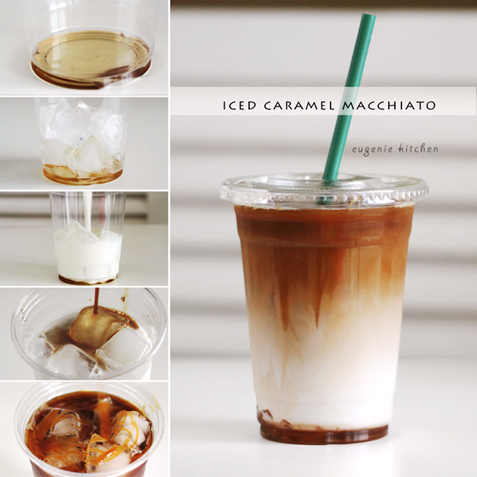
Starbucks introduced the Caramel Macchiato back in 1996 as a dessert-leaning espresso drink with a beautiful layered look. While “macchiato” traditionally means “stained” espresso, Starbucks flipped the script: milk goes in first, then espresso is poured over it to create that signature visual and flavor separation.
A lot of people think it’s just a vanilla latte with caramel on top. But it’s really engineered around aroma sequencing—vanilla hits you first, then the espresso oils, and finally the caramel finish. That’s why it stays so popular even as trends move toward lower-sugar drinks.
What Each Ingredient Actually Does
Here’s a clear breakdown of how the parts work together:
| Component | Functional Role | Sensory Impact |
|---|---|---|
| Espresso | Provides bitterness and volatile aroma oils | Balances sweetness |
| Vanilla syrup | Enhances sweetness perception via aroma | Reduces required sugar |
| Milk | Creates body and emulsification matrix | Softens bitterness |
| Caramel sauce | Adds high-viscosity sweetness | Prolongs finish |
| Foam | Structural separation layer | Controls mixing speed |
The foam isn’t just for looks—it acts as a semi-stable barrier that slows everything from blending too quickly.
The Standard Starbucks-Style Recipe (Grande)
Ingredients:
- 2 shots espresso (18–20g coffee)
- 240 ml milk
- 2 pumps vanilla syrup (~20 ml)
- 10–15 g caramel sauce
Steps:
- Add vanilla syrup to the cup.
- Steam milk to 55–65°C with nice microfoam.
- Pour the milk into the cup.
- Slowly pour espresso through the center of the foam.
- Finish with a crosshatch caramel drizzle.
The order isn’t just for show—it controls the sequence in which the aromas reach your nose, which dramatically affects how sweet and balanced the drink feels.
How Different Milks Change the Drink
| Milk Type | Texture Stability | Flavor Balance | Technical Consideration |
|---|---|---|---|
| Whole milk | High foam elasticity | Balanced | Easiest layering |
| Oat milk | Medium stability | Sweeter perception | Requires lower temp |
| Almond milk | Weak foam | Lighter mouthfeel | Needs stabilizers |
| Skim milk | Very airy foam | Thinner body | Espresso dominates |
Some baristas love oat milk for its natural sweetness, while others feel it can mask the coffee’s complexity. It really depends on whether you’re treating this as a dessert drink or more of a coffee experience.
How to Make It Noticeably Better
Here are the practical upgrades that actually move the needle:
- Adjust Vanilla Instead of Adding More Sugar Instead of piling on caramel, try 1.5 pumps of vanilla with a darker roast espresso. The vanilla aroma boosts perceived sweetness through a cross-modal effect, so you get more contrast and less heavy syrup taste.
- Nail Your Espresso Extraction Aim for 25–30 seconds. Too short and it’s sour; too long and bitterness takes over. The sweet spot brings out chocolate notes that play beautifully with the caramel.
- Protect Your Milk Microfoam Never go above 70°C—higher temps collapse the protein network. You want small, glossy bubbles and stable foam that holds the layers.
- Get the Caramel Viscosity Right Slightly warm the caramel before drizzling. Higher viscosity means it dissolves more slowly, giving you a longer, more satisfying finish.
- Choose Medium-Dark Roast Surprisingly, a very dark roast can make the drink taste less complex because the roast bitterness fights with the caramel. Medium-dark keeps those nice cocoa notes alive.
Flavor Optimization Levers vs Trade-Offs
| Lever | Immediate Benefit | Hidden Trade-Off | When To Use |
|---|---|---|---|
| More caramel | Stronger sweetness | Masks espresso notes | Dessert preference |
| Higher milk temp | Faster preparation | Weaker foam stability | High volume service |
| Darker roast | Stronger bitterness | Reduced aroma complexity | Iced versions |
| Extra vanilla | Perceived sweetness boost | Potential artificial aftertaste | Low sugar recipes |
| Double espresso | Stronger coffee flavor | Layering disruption | Experienced drinkers |
Small tweaks in aroma balance almost always beat just adding more sugar.
Practical Tips from Behind the Counter
- Stirring makes the drink more consistent but reduces that lovely contrast.
- The fully layered version gives you that beautiful sensory progression.
- For iced versions, use stronger espresso to fight the dilution.
Caramel, vanilla, and coffee actually share overlapping Maillard reaction compounds, which is why they feel so harmonious together.
In real life, hitting exact milk temperatures during a busy rush is tough. Many baristas learn to listen for the change in the steam wand’s pitch as a good enough guide.
Common Questions
Is a Caramel Macchiato stronger than a latte? Generally similar caffeine content, but the layering creates a stronger perceived espresso intensity.
Can I make it without an espresso machine? Yes—use concentrated moka pot coffee or an AeroPress with a fine grind.
Why does Starbucks pour espresso last? It creates aroma sequencing and visual layering.
How can I reduce sugar without losing flavor? Increase vanilla aroma slightly and use medium roast espresso.
What caramel sauce works best? Higher butter content improves viscosity and mouthfeel persistence.
Why does my homemade version taste flat? Likely due to over-heated milk or weak espresso extraction.
Is the iced version different? Yes, stronger espresso is used to compensate for dilution.
Final Thoughts
The Starbucks Caramel Macchiato isn’t just a sweet latte—it’s a carefully sequenced sensory experience built on aroma layering, viscosity control, and precise espresso extraction.
The best improvements come from understanding the little things: vanilla concentration, milk temperature, and roast selection. Make those small technical adjustments and you’ll notice a big difference in flavor clarity and that satisfying layered structure.
Give it a try next time you’re making one at home. Your taste buds will thank you.