
If you’ve ever spotted a spider hanging out in the corner of your bathroom for weeks and wondered how it’s still alive with seemingly nothing to eat, you’re not alone. Here’s the straightforward truth:
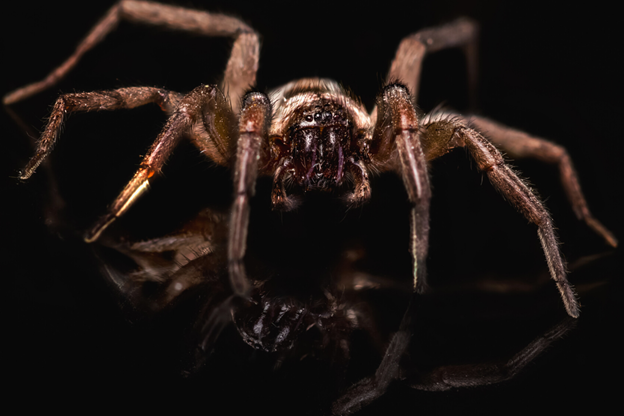
Most common house spiders can survive 30–60 days without food, but only 3–10 days without water in typical dry indoor conditions. The real limiter indoors isn’t usually hunger — it’s thirst. Lack of water kills them much faster than lack of food.
Spiders are surprisingly good at this survival game. They can dramatically slow down their metabolism during long stretches without food, and females tend to last longer than males thanks to higher body water reserves. Some species have even been shown to survive over 100 days without eating under the right lab conditions. Humidity plays a huge role too — higher humidity can add weeks to their survival time because they can pull moisture from the air and from their prey.
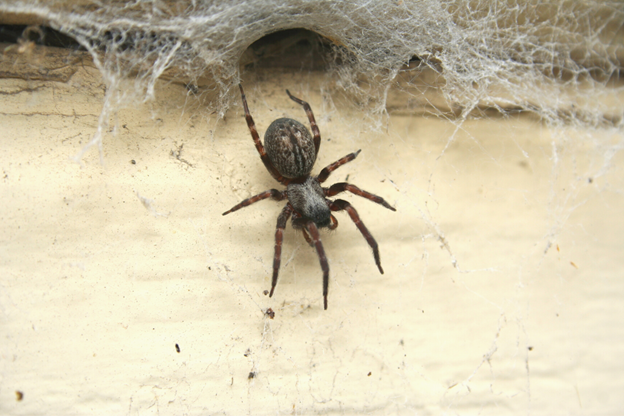
Why Spiders Are Built for Waiting
House spiders are classic “sit-and-wait” predators. They don’t run around hunting all day like some other creatures. Instead, they set up shop in a quiet corner and conserve energy until something wanders into their web. That lifestyle is exactly why they can go so long without a meal.
A lot of articles say spiders can “live for months without eating,” but they rarely explain how. The secret isn’t just that they need less food — it’s their incredibly low metabolic rate combined with smart water-retention tricks that let them handle unpredictable meals.
How Starvation Resistance Actually Works
When food disappears, spiders don’t panic. They store energy mostly as lipids (fats) in their abdomen. As fasting continues:
- Their energy use drops significantly
- They start burning those stored lipids slowly
- They move around a lot less to save calories
Research shows this metabolic slowdown becomes really noticeable after about 2–3 weeks without food.
The Bigger Challenge: Staying Hydrated
Water loss happens through breathing, evaporation through their outer layer (cuticle), and digestion. That’s why humidity makes such a difference.
In high-humidity environments, female spiders have survived over 30 days with no food and no water. In very dry air? Just a few days. They get moisture not only from drinking droplets but also from the humidity in the air and the body fluids of their prey.
What Affects How Long They Last
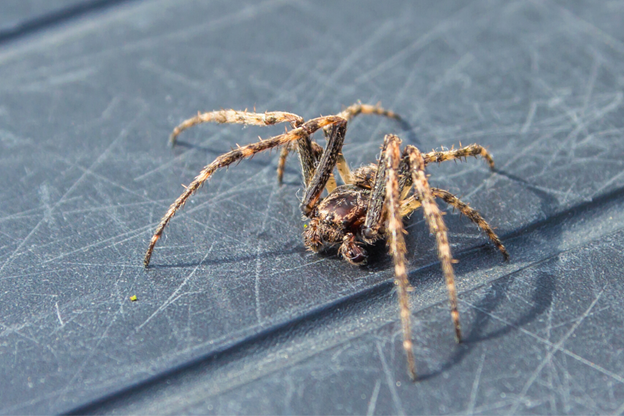
Three main environmental factors make a big difference:
- Humidity: Higher levels slow down dehydration
- Temperature: Warmer air speeds up water loss
- Activity level: The more they move, the faster they burn through reserves
Food vs. Water – Which One Matters More?
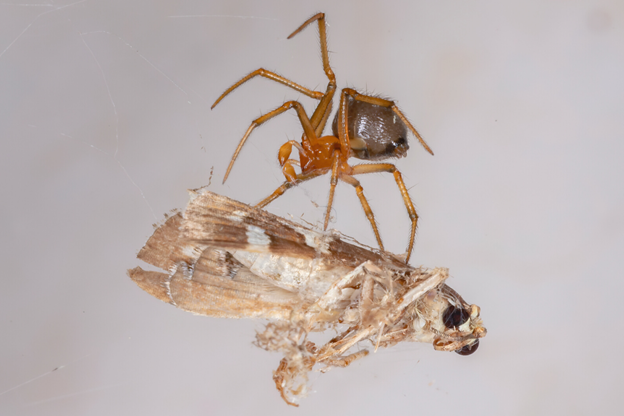
Here’s a clear breakdown:
| Condition | Typical Survival Range | What Usually Kills Them |
|---|---|---|
| No food | 30–60 days (sometimes 100+) | Lipid (fat) depletion |
| No water (dry air) | 3–10 days | Dehydration |
| No food but humid air | 60+ days | Slow metabolism |
| Cool temperature + fasting | Extended survival | Reduced evaporation |
Some spiders have survived over 100 days without food when conditions were favorable.
Practical Takeaways for Your Home
Conditions that help spiders stick around longer:
- Humid spots like bathrooms or basements
- Stable room temperatures
- Occasional insects buzzing around
- Condensation droplets on windows or pipes
Conditions that make life harder for them:
- Air-conditioned or heated rooms with low humidity
- Regular cleaning that destroys their webs
- Almost no insects around
- High temperatures
Here’s something counter-intuitive: A super-clean, sterile home with almost no bugs can actually reduce spider survival more effectively than spraying pesticides. They rely on those random insects more than most people realize.
Real-World Observations
In practice, spiders often last longer than theory suggests because homes have tiny hidden water sources — condensation on windows, humidity near sinks, or the occasional bug caught in a web. Pest control pros frequently notice that targeting the insects first is more effective than going straight after the spiders.
Important Limitations
Survival times vary a lot by species (a cellar spider behaves differently from a wolf spider). Lab studies don’t always match the messy reality of a real home. Juveniles are usually less tolerant than adults, and molting makes them extra vulnerable to drying out. Extreme temperatures can also override their clever metabolic tricks.
There’s some friendly debate among researchers too — some focus more on fat reserves, while others say water balance is the real bottleneck. The evidence increasingly points to dehydration being the faster killer in most indoor situations.
FAQ
How long can a house spider live trapped indoors without food? Typically 1–2 months, though good humidity can stretch that out.
Do spiders need to drink water? Yes — they drink droplets when they can, but they also pull moisture from prey and humid air.
Can spiders survive a whole winter without eating? Some species can last several months in cooler conditions because their metabolism slows way down.
What kills spiders faster: starvation or dehydration? Dehydration almost always wins. It messes with their cells much quicker than running out of fat reserves.
Do spiders hibernate when food is scarce? Not exactly hibernate, but many go into a low-activity state that dramatically cuts their energy use.
Does killing insects reduce spider populations? Absolutely. Fewer bugs means less food, which limits both survival and breeding.
Are larger spiders more resistant to starvation? Yes, generally. They carry bigger lipid reserves.
Final Thoughts
House spiders can seem almost immortal when it comes to going without food, thanks to their low metabolism and smart fat storage. But in our homes, water (or the lack of it) is usually what decides how long they last.
Once you understand how their metabolism and hydration work together, it makes a lot more sense why they keep showing up in corners even when it feels like there’s nothing for them to eat. A little awareness of humidity and incidental insects goes a long way in understanding (and managing) our eight-legged housemates.