
If you’ve just brought home a big box of Costco king crab legs, you’re probably wondering the best way to turn them into something amazing without ruining that pricey seafood. The good news? Most of them are already cooked and flash-frozen, so you’re really just thawing gently and reheating—not cooking from raw. Costco listings usually describe red king crab legs as “cooked & flash frozen” or “cooked, flash frozen immediately.”

The best method is simple: steam thawed legs for 5–7 minutes until they’re hot, fragrant, and the meat turns pearly opaque. Steaming wins because the vapor gently heats the meat without diluting it like boiling does.
Here’s the contrarian truth most people miss: the biggest mistake isn’t undercooking—it’s overheating these pre-cooked legs. Long boiling can turn expensive king crab salty, stringy, and dry fast.
You can steam them straight from frozen (expect 8–12 minutes), but thawing first gives noticeably better texture, especially with thick legs. For food safety, aim for that sweet spot where the meat reaches 145°F and feels firm, pearly, and opaque, per FDA guidance.
Practical tip: With a large Costco box, reheat in batches instead of crowding the pot. Crowding leads to uneven heating and dried-out pieces. And split the shells after steaming so the intact shell protects the meat from drying out. Once everything’s ready, get it to the table quickly—refrigerate leftovers within 2 hours (or 1 hour if it’s over 90°F outside).
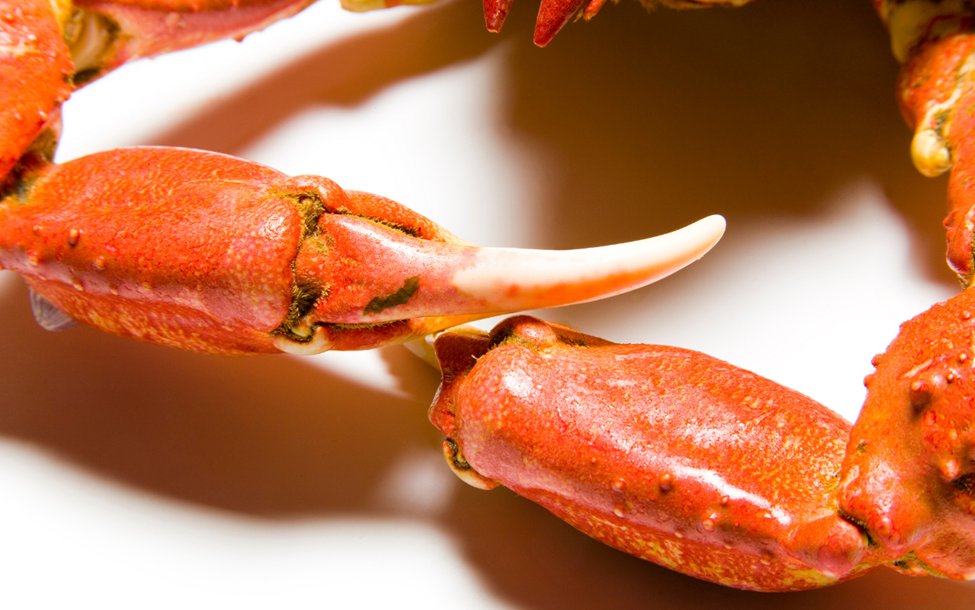
Where Costco King Crab Cooking Fits In Real Life
Cooking these legs sits right at the crossroads of retail seafood, home food safety, frozen shipping, and making the most of a premium ingredient. Costco handles the buying, cooking, flash-freezing, and boxing—often in big 10-pound cases online or smaller packs in-store.
From there, it’s up to us home cooks, along with good tools like steamer pots, kitchen shears, instant-read thermometers, and maybe a butter warmer. The key thing is that these irregularly shaped legs heat unevenly, so batch size and timing matter more than just adding extra minutes.
The Direct Answer
To cook Costco king crab legs, first check the package—it usually says cooked, flash frozen, or thaw and serve. Most are pre-cooked, so thaw them overnight in the fridge, then steam for 5–7 minutes until the meat is hot, firm, pearly, and opaque.
Steaming is your best default because it reheats without washing away that natural sweetness. Boiling works in a pinch but isn’t as forgiving—water can sneak in and dilute the flavor.
Why Costco King Crab Legs Are Different
A lot of online advice just says “boil, steam, bake, or grill.” That’s fine, but it often skips the most important detail: these legs are already cooked. Your real job is careful reheating, not starting from raw.
Treat them like a premium reheated protein. The goal isn’t killing pathogens—it’s warming them back up without squeezing moisture out of the already-cooked fibers. Since king crab is expensive (thanks to species, harvest limits, processing, and shipping), every extra minute in heat makes a bigger difference than it would with cheaper seafood.
Core Concepts Before You Start
You’ll need crab legs, a pot with a lid, a steamer basket or rack, and kitchen shears. Nice-to-haves: tongs, a rimmed baking sheet, thermometer, lemon wedges, and clarified butter.
The safest thaw is overnight in the refrigerator (keep it at or below 40°F). Never leave them on the counter for hours—the outside can hit the danger zone while the middle stays frozen. If you’re in a rush, keep them sealed and run cold water over the package until they loosen, then cook right away.
Step-By-Step: How to Steam Costco King Crab Legs

Step 1: Thaw the crab legs Place them in a tray or rimmed pan in the fridge overnight. This catches any melting ice and keeps drips away from other food. If they’re too long, wrap them and lay them diagonally on a sheet pan—don’t force them to bend or the shells can crack.
Step 2: Rinse off excess ice glaze Give the thawed legs a quick rinse under cold water and pat them lightly with paper towels. No heavy scrubbing needed.
Step 3: Set up the steamer Add 1–2 inches of water to a large pot. Set a steamer basket, rack, or metal colander above the waterline so the crab sits in the steam, not the water. You can add lemon slices, bay leaf, garlic, or vinegar to the water for aroma, but it mostly perfumes the shell.
Step 4: Bring water to a strong simmer Cover and get a steady simmer going—avoid a raging boil that splashes.
Step 5: Steam the crab legs Add the legs, cover tightly, and steam according to this guide:
| Crab Condition | Approximate Steam Time | Best Use |
|---|---|---|
| Thawed king crab legs | 5–7 minutes | Best texture |
| Partly frozen legs | 7–10 minutes | Weeknight shortcut |
| Fully frozen thick legs | 8–12 minutes | Acceptable, less even |
They’re done when the shell feels hot, the meat smells wonderful, and the flesh is pearly white and opaque—firm but not tough.
Step 6: Split the shells Use kitchen shears to cut lengthwise along the smoother side. Pull the shell open and lift out the meat. Splitting after steaming keeps moisture locked in.
Step 7: Serve immediately Bring it to the table with warm clarified butter, lemon wedges, and easy sides like roasted potatoes, corn, rice pilaf, salad, or sourdough. King crab is naturally sweet and salty—keep sauces simple.
Alternative Methods: Bake, Grill, or Boil?
Steaming is ideal, but life happens. Here are the other options:
Oven Method Preheat to 350°F–375°F. Place thawed legs on a rimmed baking sheet, add a few tablespoons of water, cover tightly with foil, and heat 8–12 minutes. Great for big batches, but the foil seal is key—uncovered heat dries them out.
Grill Method Brush thawed legs lightly with oil or butter and grill over medium heat for 4–5 minutes per side. Adds nice shell aroma, but don’t do frozen legs or the outside can char while the inside stays cold.
Boiling Method Simmer thawed legs for 4–6 minutes. It’s quick but least precise—better for snow crab than thick king crab legs.
Why Overcooked King Crab Gets Dry
King crab meat is lean muscle with almost no fat. Once it’s already cooked, extra heat tightens the proteins and pushes moisture out. The shell helps slow it down, but it can’t undo the damage.
For pre-cooked Costco legs, you’re reheating to hot throughout. Chasing 145°F too aggressively can make it safe but dry and lower quality.
Comparative Evaluation
| Method | Speed | Texture Risk | Best For | Hidden Trade-Off |
|---|---|---|---|---|
| Steaming | Medium | Low | Best all-around method | Limited by pot size |
| Baking covered | Medium | Medium-low | Large batches | Requires tight foil seal |
| Grilling | Fast | Medium | Outdoor meals | Charred shell can mask overcooking |
| Boiling | Fast | High | Convenience | Dilutes flavor if shells crack |
| Cold serving | Fastest | Lowest | Salads, buffets | Not ideal if guests expect hot crab |
Cold crab with lemon, aioli, or cocktail sauce can actually preserve the sweetness beautifully if reheating feels risky.
Best Method by Situation
| Situation | Recommended Method | Why It Works | Avoid |
|---|---|---|---|
| Small dinner for 2–4 | Steam thawed legs | Most moisture control | Boiling aggressively |
| Large family meal | Covered oven trays | Handles volume better | Uncovered baking |
| Outdoor seafood boil vibe | Grill briefly after thawing | Adds shell aroma and visual appeal | Grilling frozen legs |
| Appetizer platter | Serve chilled | Preserves pre-cooked texture | Reheating just because |
| No steamer basket | Pot + metal colander | Keeps crab above water | Submerging cracked legs |
| Very salty crab | Steam, do not season water | Avoids adding salt | Old Bay-heavy boil |
Success Metrics That Matter
- Internal heat consistency: Thick joints hot throughout—no cold centers.
- Meat texture: Firm, moist, pearly, not stringy.
- Shell separation ease: Meat pulls out cleanly.
- Moisture loss: Minimal liquid in the shell or pan.
- Service timing: Serve right after reheating—crab declines quickly once split.
Practical Insights from Experience
Batch size matters. A crowded pot means uneven steam. Use plain water if serving with butter—seasonings don’t penetrate thick shells deeply anyway. Skip the microwave except for small amounts of picked meat. Clarify your butter for a cleaner, silkier dip.
In real life, I often steam in batches, hold unsplit legs warm under a loose cover, and crack them right before serving. That keeps everything hotter and juicier.
Steam First or Split First?
Some people split before heating for better seasoning penetration (great for garlic butter in the oven). Others keep shells intact for maximum moisture protection. For most Costco king crab, intact-shell steaming is the safer, tastier default.
Limitations and Risks
Always follow your specific package instructions—they can vary by supplier and format. Remember, crustacean shellfish is a major allergen. And cool leftovers quickly—refrigerate within 2 hours (or 1 hour above 90°F).
FAQ
Are Costco king crab legs already cooked? Most are sold cooked and flash-frozen. Costco listings for red king crab products describe them as cooked, flash-frozen, or thaw-and-serve.
What is the best way to cook Costco king crab legs? Steaming thawed legs for 5–7 minutes is the best default method. It heats the crab without soaking the meat or drying it out.
Can I cook Costco king crab legs from frozen? Yes, but thawing first gives better texture. Fully frozen legs usually need about 8–12 minutes of steaming, depending on size and thickness.
Should I boil king crab legs? You can, but boiling is less forgiving than steaming. If the shells are cracked, water can dilute the crab’s flavor.
How do I know when king crab legs are done? The crab should be hot throughout, fragrant, and pearly opaque. FDA guidance says crab and lobster flesh should be firm, pearly, and opaque.
Do I need to season the water? Not much. Seasoned water mostly aromas the shell. Add flavor after cooking with butter, lemon, garlic, herbs, or a light dipping sauce.
How long can cooked crab legs sit out? Refrigerate leftovers within 2 hours, or within 1 hour if the surrounding temperature is above 90°F.
Wrapping It Up
The secret to great Costco king crab legs is treating them as a premium pre-cooked ingredient instead of raw seafood. Thaw safely, steam gently, split cleanly, and serve right away with simple sides.
Heat them just enough to warm through—not long enough to recook. That one shift protects the texture, flavor, and value of what’s often the splurge item in the seafood case. Enjoy!