
Executive Summary
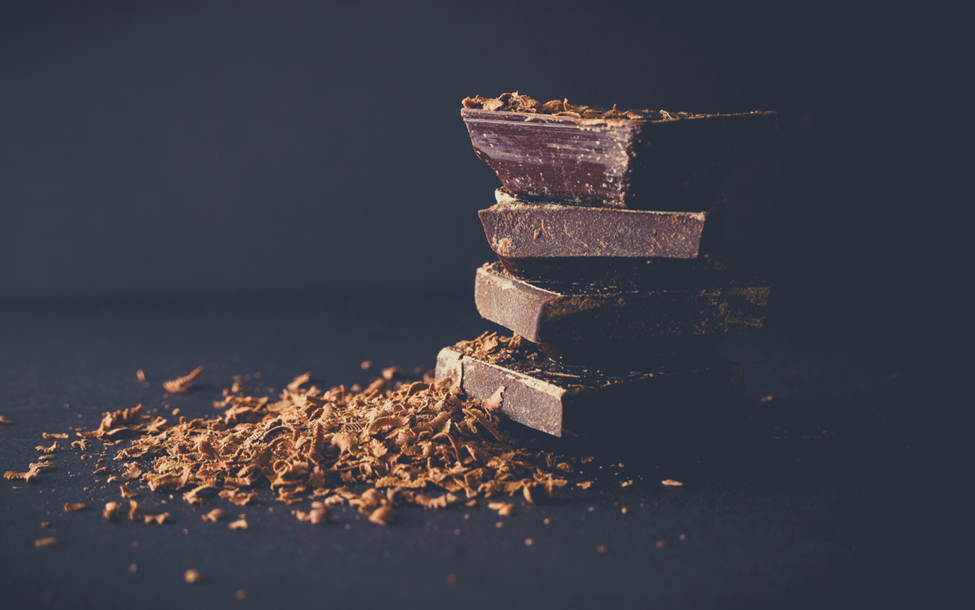
- Direct answer: Chocolate is usually considered candy when it’s sweetened and sold as a ready-to-eat treat, but it’s not automatically candy in every form.
- The better way to think about it: Chocolate is a cacao-based food; candy is more about how it’s used. A milk chocolate bar feels like candy, while unsweetened baking chocolate, cocoa powder, or cacao nibs usually don’t.
- Contrarian insight: The real question isn’t “Is chocolate candy?” but “Which system is classifying it?” Retailers, regulators, cooks, and everyday shoppers all have slightly different rules.
- U.S. food law spells out many cacao products in 21 CFR Part 163—including sweet chocolate, milk chocolate, and white chocolate—but it doesn’t lump all chocolate into the “candy” bucket.
- The confectionery industry often groups chocolate together with candy, gum, and mints as part of the bigger “confectionery” world. The National Confectioners Association talks about its members as makers of “chocolate, candy, gum, and mints.”
- The key dividing line comes down to formulation plus how it’s used: added sugar, portion size, snack positioning, and where it sits in the store all nudge chocolate toward candy.
- White chocolate adds another wrinkle because it has cocoa butter but no cocoa solids. Still, U.S. rules give it a standard of identity if it meets the milk, cocoa butter, and sweetener requirements.
- The strongest practical answer: All chocolate candy contains chocolate, but not all chocolate is candy.
Direct Answer
Chocolate counts as candy when it’s sweetened, portioned, and sold as a treat—like a milk chocolate bar, chocolate truffle, peanut butter cup, chocolate-covered caramel, or a boxed assortment. In everyday American English, most of us would call those things candy.
But chocolate itself isn’t always candy. Unsweetened chocolate, cocoa powder, cacao nibs, couverture that pastry chefs use, and some high-cacao baking bars are better thought of as ingredients or cacao products, not candy. U.S. regulations treat chocolate as its own category of cacao products with specific standards of identity, while the store shelves often place sweet chocolate products right in the candy or confectionery aisle.
Context: Why This Question Is More Complicated Than It Sounds
Most quick answers you hear are simple: “Yes, chocolate is candy because it’s sweet.”
Here’s a more refined take: Sweetness alone doesn’t make something candy. Sweetened yogurt, jam, cereal, and cake frosting are all sweet too, but we don’t automatically call them candy. Candy is really a cultural, retail, and use-based category. Chocolate is an ingredient family that comes from cacao.
The confusion happens because chocolate and confectionery overlap so much. “Confectionery” is the bigger professional term for sweet treats like candies, chocolates, gums, mints, and more. The National Confectioners Association separates “chocolate” and “candy” in its wording but keeps them in the same overall treat category.
That distinction actually matters. A chocolate bar sitting by the checkout acts a lot like candy in the real world, while a block of unsweetened baking chocolate feels like a pantry staple. The same cacao material can shift categories depending on how much sugar it has, what it’s meant for, how it’s packaged, and what we expect from it.
Industry Hub Mapping: Where Chocolate Sits in the Food Knowledge Graph
Chocolate touches several neighboring worlds:
| Hub | How It Classifies Chocolate | Why It Matters |
|---|---|---|
| Food regulation | Cacao product with standards of identity | Determines what can legally be labeled “chocolate” |
| Retail merchandising | Candy, snack, baking ingredient, or premium food | Determines shelf placement and consumer expectation |
| Culinary arts | Ingredient, coating, couverture, dessert component, or finished confection | Determines handling, tempering, melting, and recipe use |
| Nutrition labeling | Packaged food with declared nutrients and allergens | Determines serving size, sugar disclosure, and allergen warnings |
| Confectionery manufacturing | Chocolate confection or chocolate-coated candy | Determines formulation, coating rules, and quality control |
The big takeaway is that classification depends on the situation. A food scientist looks at cocoa butter, particle size, and milk solids. A retailer thinks about impulse buys. A pastry chef cares about viscosity and how it tempers. And most of us just wonder, “Is this a treat?”
Core Concepts: Chocolate, Candy, and Confectionery
Chocolate is a cacao-derived food made from things like chocolate liquor, cocoa butter, cocoa solids, sugar, milk ingredients, emulsifiers, and flavorings—depending on the type. U.S. federal regulations define several cacao products, including sweet chocolate, milk chocolate, white chocolate, cocoa, and chocolate liquor.
Candy is less strictly defined in law. In everyday language, it means a sweet, ready-to-eat treat, usually eaten in small amounts outside of meals. That includes sugar candy, gummies, hard candy, caramels, lollipops, chocolate bars, and chocolate-coated items.
Confectionery is the broader industry term. It covers sweet manufactured foods and often includes both chocolate and non-chocolate candy. That’s why you’ll hear professionals say “chocolate confectionery” instead of just “candy.”
Common view — Chocolate is candy because it’s sold in the candy aisle. Refined insight — Shelf placement shows how we use it, but it doesn’t define what the product actually is. Chocolate chips live in the baking aisle, premium dark bars might be in specialty foods, and seasonal chocolate eggs end up with the candy. The role changes with how it’s merchandised.
Mechanism: What Makes Chocolate Become Candy?
Chocolate crosses into candy territory when four things line up:
First, it’s sweetened enough to work as a treat. Milk chocolate and many dark bars have sugar as a main player. Unsweetened chocolate stays bitter and needs cooking to become enjoyable.
Second, it’s finished and ready to eat straight away. A truffle, chocolate bar, bonbon, or chocolate-covered nut is meant to be popped in your mouth. Cocoa powder isn’t.
Third, it’s portioned and packaged like a snack or treat—think wrapped bars, bite-size pieces, seasonal shapes, or gift boxes.
Fourth, it’s positioned as an indulgence. Halloween chocolate, Valentine’s chocolate, chocolate coins, and Easter eggs feel like candy because the moment frames them that way.
Common view — The ingredient list decides if it’s candy. Refined insight — Ingredients matter, but so does the use case. A 70% dark chocolate bar and 70% dark baking couverture might have similar lists, yet one is sold for snacking and the other for professional kitchens.
The Legal Nuance: Chocolate Has Standards, Candy Often Has Context
The real guide for what counts as chocolate comes from regulators, not casual definitions. In the U.S., the FDA’s rules live in 21 CFR Part 163. They define sweet chocolate, milk chocolate, white chocolate, and more based on what’s in them and what’s allowed.
Internationally, the Codex standard sets similar compositional requirements for sweet chocolate, couverture, milk chocolate, etc.
Common view — “Chocolate” and “candy” are basically the same word. Refined insight — Regulators care more about whether something can legally be called “chocolate” than whether we casually call it candy. That’s why a coating made with vegetable fat instead of cocoa butter might need a different name—even if shoppers still think of it as chocolate candy.
Canadian guidance gives a good example: only a solid chocolate product can be called “chocolate candy” or “chocolate bar.” Chocolate-coated items should say “chocolate-coated candies” or similar.
Comparative Evaluation: When Chocolate Is Candy and When It Is Not
| Chocolate Form | Usually Candy? | Reason |
|---|---|---|
| Milk chocolate bar | Yes | Sweetened, ready-to-eat, snack-packaged |
| Chocolate truffle | Yes | Finished confection with sweet filling or ganache |
| Chocolate-covered caramel | Yes | Candy center plus chocolate coating |
| Dark chocolate eating bar | Usually yes | Sold as a treat, even when less sweet |
| Unsweetened baking chocolate | No | Ingredient, not normally eaten as candy |
| Cocoa powder | No | Ingredient or beverage base |
| Cacao nibs | Usually no | Minimally processed cacao ingredient or topping |
| Couverture chocolate | Depends | Ingredient in professional kitchens; candy when made into finished confections |
| White chocolate bar | Usually yes | Sweetened, ready-to-eat confection if it meets chocolate identity rules |
| Compound “chocolatey” coating | Candy-like, but not always legally chocolate | May use vegetable fats and require different labeling |
Downstream Impact
Changing how we classify chocolate affects everything from store shelves to labeling rules. Shelf placement, product names, and what shoppers expect all shift depending on whether something is seen as candy, a baking ingredient, or a regulated chocolate product. That means tweaks to labels, packaging, category management, and quality specs.
For instance, switching a chocolate coating to vegetable fat might save money and make it more heat-stable, but the product could lose the right to simply call it “chocolate” in some places. Shoppers might still treat it like candy, but it no longer has the same official identity.
It’s that quiet trade-off: better performance and lower cost sometimes bump up against naming rights and premium feel.
Proprietary Comparison Table: The Chocolate Classification Matrix
| Classification Lens | “Chocolate Is Candy” Works When… | It Fails When… | Practical Decision Rule |
|---|---|---|---|
| Consumer language | The product is sweet, wrapped, and eaten as a treat | The product is bitter, powdered, or used in recipes | Ask: “Would an average person snack on it directly?” |
| Food regulation | The product meets chocolate identity rules and is sold as a confection | The product uses substitute fats or flavoring terms | Ask: “Can the label legally say chocolate?” |
| Retail strategy | It belongs in impulse, seasonal, checkout, or candy aisles | It belongs in baking, specialty, or ingredient sections | Ask: “What shopping mission brings the buyer here?” |
| Culinary use | It is a finished bonbon, bar, coating, or filled piece | It is couverture, cocoa powder, or unsweetened block | Ask: “Is it a final food or a component?” |
| Nutrition framing | It is eaten as an occasional sweet treat | It is used in small recipe quantities | Ask: “Is the serving occasion indulgence or preparation?” |
Success Metrics Professionals Use
- Label compliance pass rate: Percentage of SKUs whose names match ingredient and identity standards. Reduces relabeling, recalls, and regulatory risk.
- Consumer category recognition: Whether shoppers identify the item as candy, baking chocolate, snack, or premium food. Improves shelf placement and conversion.
- Sugar-to-cacao balance: Relative sweetness versus cacao intensity. Determines whether the product reads as candy, dark chocolate, or ingredient.
- Melt and handling performance: Tempering behavior, snap, viscosity, and coating stability. Separates eating chocolate from professional couverture or compound coatings.
- Repeat purchase by occasion: Purchase frequency during everyday snacking, holidays, baking, or gifting. Shows whether the market treats the item as candy or another category.
Practical Insights
The most useful rule of thumb is this: chocolate is candy by occasion, not by origin. Where the cacao comes from makes it chocolate; sugar and how we use it make it candy.
A dark chocolate bar with 85% cacao can still be candy if it’s packaged as a little indulgence. But unsweetened 100% cacao chocolate usually isn’t, because it’s made for cooking, not casual snacking.
White chocolate is a classic edge case. Some folks argue it’s not “real” chocolate because it has no cocoa solids. U.S. regulations, however, recognize it as white chocolate when it meets the required levels of cocoa butter, milk solids, milkfat, and stays under the sweetener limit.
Common view — Dark chocolate is less like candy because it’s less sweet. Refined insight — Less sugar doesn’t automatically take it out of the candy category. A bitter, premium, high-cacao bar can still function as candy if it’s sold as a finished treat.
Field Note: Practitioner Insight
In theory we classify chocolate by ingredients, but in real life the tricky part happens at packaging and category review. Marketing teams want friendly, familiar candy language while regulatory teams have to protect the legal meaning of “chocolate.” A common fix is using a consumer-friendly front label (“dark chocolate almonds”) while the official product name and ingredient list clarify whether it’s solid chocolate, chocolate-coated, or made with a chocolate-flavored coating.
This is exactly where experts often disagree. Marketing likes simple words that match how people talk. Regulatory and quality teams want precision that matches what’s inside. The tension isn’t just academic—it affects claims, shelf placement, trust, and how freely you can reformulate.
Limitations and Risks
There’s no single universal answer because “candy” isn’t defined as precisely as “chocolate.” A grocery buyer, FDA reviewer, chocolatier, school nutrition policy, and regular consumer might all see the same product differently.
Regional differences add another layer. The U.S., EU, Canada, and Codex don’t always use the exact same thresholds or labeling rules. The core idea stays consistent, though: chocolate has strict compositional standards; candy is more about use and market positioning.
The biggest misconception? Thinking that “natural,” “dark,” “artisan,” or “high cacao” automatically means “not candy.” Those words describe quality or flavor, but they don’t change how we actually eat the product.
FAQ
Is chocolate technically candy? Sometimes. Chocolate is technically a cacao product, but sweetened ready-to-eat chocolate products are commonly classified as candy or confectionery.
Is a Hershey’s bar candy? Yes. A standard milk chocolate bar is generally considered candy because it is sweetened, packaged, and eaten as a treat.
Is dark chocolate candy? Usually, if it is sold as an eating bar. Very dark or unsweetened chocolate used for baking is better classified as an ingredient.
Is white chocolate candy? A white chocolate bar is usually considered candy in everyday use. Legally, white chocolate can qualify as chocolate in the U.S. if it meets the standard for cocoa butter, milk solids, milkfat, and sweetener content.
Is cocoa powder candy? No. Cocoa powder is an ingredient or beverage base, not candy by itself.
Are chocolate chips candy? Usually not in their primary use. They are generally baking ingredients, though people may eat them like candy.
Are chocolate-covered nuts candy? Yes, in most consumer and retail contexts. They are finished sweet confections made for direct eating.
Why do some people say chocolate is not candy? They are usually distinguishing cacao-based chocolate from sugar candy like gummies, lollipops, or hard candy. That distinction is useful, but it does not mean sweet chocolate products cannot be candy.
Conclusion
Chocolate isn’t automatically candy. It’s a cacao-based food category with its own legal, culinary, and manufacturing definitions. But when it’s sweetened, portioned, packaged, and sold as a ready-to-eat treat, it’s perfectly reasonable to call it candy.
The most accurate way to put it: chocolate can be candy, but chocolate itself is broader than candy. A truffle is candy. A milk chocolate bar is candy. Cocoa powder, cacao nibs, and unsweetened baking chocolate usually aren’t. The difference comes down less to the word “chocolate” and more to formulation, labeling, retail context, and how it’s meant to be enjoyed.