
When you’re in the middle of a recipe and realize you’re out of bourbon, it can feel like a little crisis. Bourbon brings so much more than just a boozy kick—it’s that warm vanilla, caramel, and woody depth that makes sauces, pies, and glazes taste special. The good news? You have plenty of solid options that can step in without wrecking the dish.
The best substitute really comes down to a few things: how much heat the recipe uses, what kind of aroma you’re after, and how the sweetness and acidity need to balance out. Alcohol itself isn’t always the star—it’s often the phenolic compounds and those caramelized sugar notes that do the heavy lifting.
Why Bourbon Behaves the Way It Does
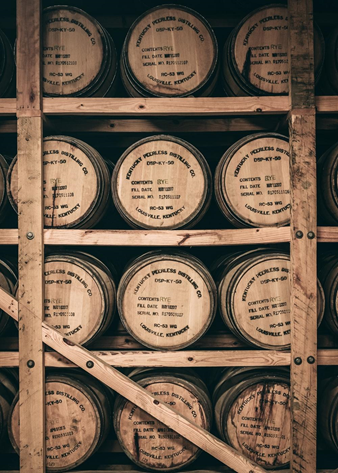
Bourbon is legally defined in the U.S. as a whiskey made from at least 51% corn and aged in new charred oak barrels. That aging process creates vanillin, lactones, tannins, and caramelized compounds that give it both aroma and a touch of perceived sweetness.
A lot of recipes casually suggest swapping bourbon with vanilla extract or apple juice. That can work in a pinch, but it misses the bigger picture. Bourbon actually delivers a whole mix of things:
- Phenolic aldehydes (those classic vanilla notes)
- Oak lactones (coconut and woody hints)
- Caramelized sugars
- Ethanol-driven aroma volatility
- A mild tannic bitterness
Understanding which of these matters most in your specific recipe is the real key to a successful swap.
The Four Flavor Layers Bourbon Brings
Think of bourbon as adding four main layers to a dish:
- Aromatic volatility (the parts that evaporate during cooking)
- Sweetness perception from barrel caramelization
- Woody complexity from the oak
- Mild acidity balance
Most substitutes only cover one or two of these layers, so you sometimes need to tweak things elsewhere to make up the difference.
How Heat Changes Everything
Alcohol evaporates at 78.37°C (173°F), so its aromatic compounds spread out early in the cooking process. That’s why bourbon shines in sauces, glazes, and baked goods where you want that subtle, diffused aroma.
If your recipe cooks for longer than 20 minutes, the alcohol’s contribution becomes pretty much negligible. At that point, you can focus more on matching the flavor compounds than worrying about the booze.
Here’s a quick breakdown of how bourbon’s role shifts by recipe type:
| Recipe Type | Bourbon Role | Key Property to Replace |
|---|---|---|
| Sauces | Aromatic complexity | Volatile compounds |
| Cakes | Moisture + sweetness | Sugars + aroma |
| Marinades | Flavor diffusion | Acidity balance |
| Frostings | Aromatic accent | Phenolic compounds |
| BBQ glaze | Caramelization enhancer | Sugar profile |
9 Practical Bourbon Substitutes
Here are nine substitutes that actually work, along with when they’re at their best:
- Vanilla Extract + Water Replicates vanillin but lacks tannins. Best for cakes, cookies, frostings. Ratio: 1 tsp vanilla + 1 tbsp water per 1 tbsp bourbon. Common view: Vanilla provides similar flavor. Refined insight: Vanilla lacks oak lactones, resulting in flatter aroma in custards.
- Apple Cider Malic acid complements caramelized sugar notes. Best for sauces and baked fruit desserts. Common view: Cider adds sweetness. Refined insight: Malic acid sharpens perception of caramel notes, improving depth.
- Dark Rum Contains molasses-derived congeners similar to bourbon barrel notes. Best for pecan pie, bread pudding. Expert debate: Some chefs prefer rum for sweetness alignment; others argue rum’s ester profile introduces tropical notes inconsistent with traditional Southern desserts.
- Brandy Derived from fruit fermentation; contains similar aging aldehydes. Best for flambé, sauces. Hidden trade-off: Brandy often produces a slightly sharper finish due to higher ethyl acetate concentration.
- Maple Syrup + Water Replicates caramelized wood sugar chemistry. Best for glazes and barbecue sauces. Common view: Maple is just sweet. Refined insight: Lignin breakdown during maple boiling creates flavor parallels to charred oak.
- Non-Alcoholic Whiskey Formulated using distillate aroma compounds. Best for sauces where alcohol labeling must be avoided. Industry nuance: Many alcohol-free whiskeys rely on glycerol for mouthfeel, affecting viscosity.
- Apple Juice + Vinegar Recreates sweetness-acidity balance. Best for marinades. Professional adjustment: Add 1/4 tsp vanilla for aromatic complexity.
- Peach Nectar Contains lactone compounds similar to oak aging. Best for cobblers and pastries. Overlooked insight: Gamma-decalactone in peach provides similar creamy aroma perception as oak-derived lactones.
- Coffee Extract Provides roasted phenolic bitterness. Best for chocolate desserts. Condition where common advice fails: Coffee works only in recipes already containing cocoa or dark sugar.
Quick Comparison Table
| Substitute | Flavor Fidelity | Heat Stability | Sugar Impact | Complexity Score |
|---|---|---|---|---|
| Vanilla + water | Medium | High | Low | Moderate |
| Apple cider | Medium-high | High | Medium | Balanced |
| Dark rum | High | High | Medium | Complex |
| Brandy | High | Medium | Low | Sharp finish |
| Maple syrup mix | Medium | Low | High | Deep caramel |
| Non-alcoholic whiskey | High | High | Low | Consistent |
| Apple juice mix | Medium | High | Medium | Simple |
| Peach nectar | Medium-high | Medium | Medium | Aromatic |
| Coffee extract | Low-specific | High | Low | Roasted depth |
(Complexity Score reflects number of flavor compound categories approximated.)
What to Watch Out For
Replacing bourbon with high-sugar substitutes can change how sauces behave under heat. More sugar means a higher chance of localized burning because sucrose caramelizes around 160°C (320°F). Professional kitchens often lower the heat by 10–15% when using syrup-based alternatives and stir a bit more frequently.
Practical Tips from the Kitchen
- If the recipe cooks longer than 30 minutes, focus on substitutes that bring caramel and vanilla notes rather than alcohol.
- When bourbon is used in tiny amounts (less than 2 tbsp), the swap rarely affects texture or structure—aroma fidelity becomes the main priority.
- Combining substitutes often gives the best results. Try this simple blend: 2 parts apple cider, 1 part vanilla extract, and a small splash of maple syrup. It covers sweetness, acidity, and aroma all at once.
One thing I’ve noticed in practice: while rum often seems like the closest match on paper, it can fall flat in frostings and no-cook applications because the ethanol sharpness doesn’t cook off. In those cases, many people reduce the rum by about 25% and add extra vanilla extract to smooth things out.
Potential Pitfalls
- High-sugar substitutes can increase browning rate, which sometimes leads to uneven crust formation.
- Fruit-based substitutes bring extra acids that may affect leavening in baked goods.
- Non-alcoholic whiskey quality varies a lot—glycerol-heavy versions can change mouthfeel.
- Coffee extract can turn bitter if it’s not balanced with enough fats.
FAQ
What is the closest non-alcoholic substitute for bourbon? Non-alcoholic whiskey provides the closest approximation because it recreates oak-derived aromatic compounds.
Can I replace bourbon with vanilla extract? Yes, but vanilla lacks tannic complexity. Combine with water or cider for better balance.
Does alcohol cook out completely? Not entirely. Some ethanol remains depending on cooking duration and temperature.
Which substitute works best in pecan pie? Dark rum or maple syrup mixture most closely matches bourbon’s caramel notes.
Can I use whiskey instead of bourbon? Yes, but rye whiskey produces a spicier flavor due to higher eugenol concentration.
Will substitution change texture? Usually no, unless you’re replacing bourbon with high-sugar syrups that alter moisture balance.
What substitute works best in BBQ sauce? Apple cider or maple syrup mixture provides balanced sweetness and acidity.
Wrapping It Up
At the end of the day, successful bourbon substitution comes down to figuring out the main job bourbon is doing in your recipe—whether that’s spreading aroma, building caramel complexity, or balancing acidity.
Bourbon is chemically complex, so combining a couple of substitutes often works better than trying for a perfect one-to-one swap. Think of it less like a simple ingredient replacement and more like building flavor architecture. Once you start experimenting with these layers, you’ll feel a lot more confident swapping bourbon whenever you need to.
Happy cooking!