
Straight answer: I’d treat a Cardieo Smartwatch as a high-risk purchase and wouldn’t trust it as a reliable health device. I wouldn’t label it a proven “legal scam” without an official ruling, but the public evidence doesn’t look good. The BBB shows Cardieo as not accredited, not rated, and flagged with an “out-of-business known or suspected” alert. On Trustpilot, it sits at 1.5/5 from 50 reviews, with 94% being one-star ratings for cardieo.com.
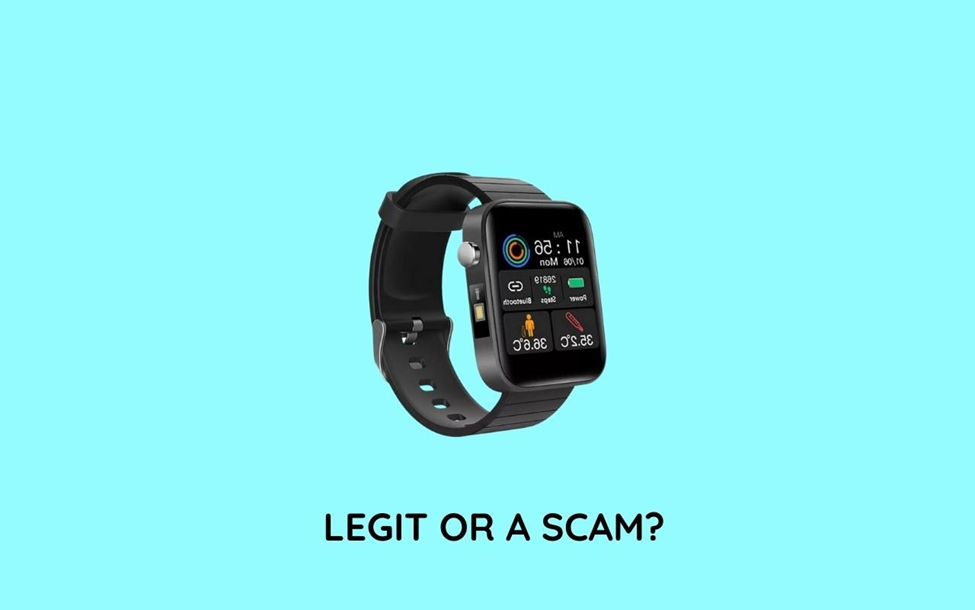
The more important question isn’t whether the watch turns on—it’s whether you can trust it for health tracking, payments, returns, and ongoing support. On that front, Cardieo falls short. Safer choices include the Apple Watch Series 11, Samsung Galaxy Watch, Garmin Venu 4, Fitbit Charge 6, and Withings ScanWatch 2. Which one fits best depends on whether you want seamless iPhone integration, strong Android features, long battery life, solid fitness tracking, or a simple hybrid design.
Executive Summary
- A key insight: The real risk with Cardieo isn’t just that it’s a cheap smartwatch. It’s that many low-cost wearables borrow medical-sounding language without the proper validation, support, or accountability that true medical-grade devices have.
- What people often say: Many reviews call Cardieo a “scam.” A more balanced take is to see it as a high-risk, low-trust purchase worth avoiding. “Scam” is a legal term, but the consumer evidence already makes it a smart decision to pass.
- The BBB profile for Cardieo includes that “out-of-business known or suspected” alert and no accreditation, which raises real concerns about getting help with returns, warranties, or refunds.
- Trustpilot reviews frequently mention misleading ads, poor performance, pairing problems, upsells, and trouble getting refunds. The overall profile is heavily negative.
- One question most articles skip: Do “heart rate,” “blood pressure,” or “ECG-style” claims actually need real proof? Yes—when a wearable makes diagnostic or detection claims, you should look for regulatory clearance, published validation studies, and clear intended-use language, not just sensor icons.
- Industry benchmark: In the U.S., the practical standard for health wearables is FDA medical-device clearance (often via the 510(k) pathway) for features like ECG or hypertension notifications. Important note: Clearance doesn’t mean the watch diagnoses everything—it means a specific feature met a defined regulatory standard for its intended use.
- Best Cardieo alternative for iPhone users: Apple Watch Series 11. For Android users: Samsung Galaxy Watch.
- For long battery life and serious fitness tracking: Garmin Venu 4. Best budget option: Fitbit Charge 6. Best low-distraction hybrid: Withings ScanWatch 2.
Where This Fits in the Bigger Picture
Cardieo lives at the crossroads of consumer electronics, digital health, online shopping risks, advertising rules, and personal health data. Buying a smartwatch isn’t just about getting a gadget—it affects your health habits, refund rights, warranty support, app security, phone compatibility, and sometimes even conversations with your doctor.
The software side matters because an unmaintained app can make even good hardware useless. The regulatory side matters too, because “tracks steps” and “detects atrial fibrillation” are very different levels of claim.
Legal/Regulatory angle: Stronger health claims can push a wearable from general wellness into regulated medical-device territory, requiring stricter validation and labeling. For you as a buyer, that means a watch hinting at real health insights deserves more scrutiny than one simply promising activity tracking.
Why Cardieo Raises Red Flags
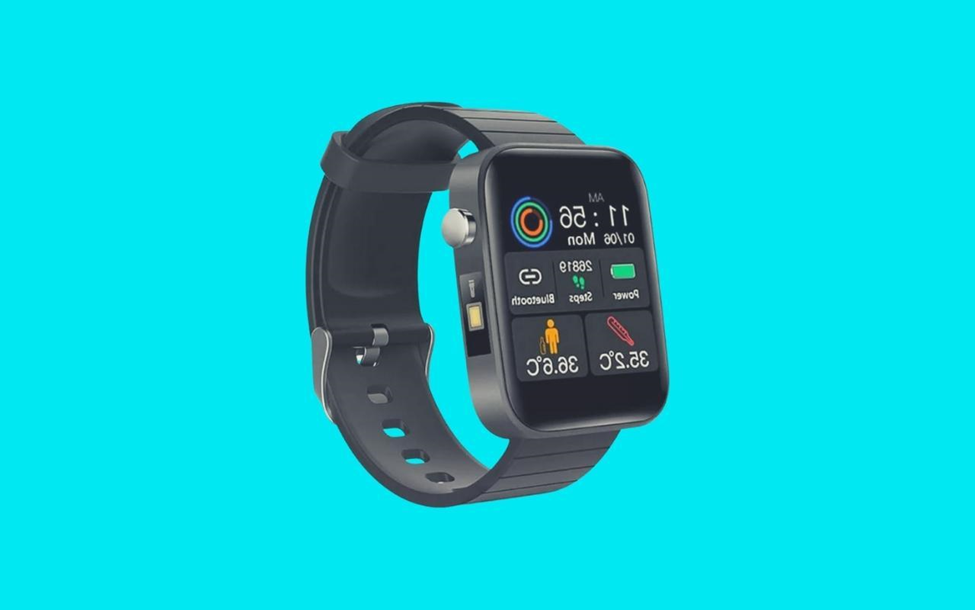
In most search results, Cardieo comes up as a cheap Apple Watch lookalike pushed by aggressive ads. That’s partly true, but the deeper issue is the gap between its health claims and the actual support behind them.
People often say, “It’s a scam because the reviews are terrible.” While bad reviews alone don’t legally prove fraud, the consistent pattern—poor functionality, refund issues, weak transparency, and questionable claims—makes buying it feel like an unnecessary gamble.
Trustpilot shows a 1.5/5 score with 94% one-star reviews. Common complaints include misleading advertising, inaccurate readings, pairing troubles, confusing checkout, and unresponsive support. The BBB adds another layer with its non-accredited status and out-of-business alert.
Together, this means even if the watch arrives, you could face real problems if it doesn’t work well, won’t pair, or needs returns or support.
Legit Smartwatch vs. One Making Health Claims
A basic smartwatch can honestly show the time, notifications, steps, and general activity trends. That’s fine. But the second it starts claiming to measure blood pressure, detect arrhythmias, or warn about heart issues, the bar rises significantly.
Many people assume all watches with heart sensors do roughly the same thing. They don’t. Step counting, optical heart rate, ECG apps, and hypertension notifications all use different technology, algorithms, validation, and regulatory paths.
For instance, Apple’s hypertension notifications look at optical sensor data over 30 days to spot patterns that might suggest chronic high blood pressure. They don’t replace a proper cuff, and Apple clearly tells users to confirm readings with a third-party cuff and talk to their doctor. The FDA summary for this feature shows 41.2% sensitivity and 92.3% specificity—meaning it catches some real cases with few false alarms, but not everything. This is the level of transparency Cardieo doesn’t appear to meet based on available public information.
How Low-Trust Smartwatch Marketing Usually Works
These offers often follow a familiar pattern. They copy premium watch designs so it feels like a bargain version of a big brand. They bundle different health features into vague claims (heart rate, SpO2, sleep, calories, blood pressure, etc.) even though each has very different reliability. And they create urgency with discounts, bundles, and upsells.
A cheap watch can be okay for basic timekeeping and casual step tracking. It becomes risky when you expect accurate health data, reliable app support, or easy returns.
That’s why Cardieo’s review pattern stands out—people aren’t just saying it’s basic. They report misleading ads, hardware issues, inaccurate readings, pairing problems, and refund headaches. These point to bigger problems across advertising, quality, software, and after-sales service.
Does Cardieo Have Any FDA-Cleared Health Features?
Most generic reviews just say “not medical grade.” The clearer answer for shoppers: Don’t trust Cardieo for any medical or diagnostic use unless the seller gives you a verifiable clearance number, exact model, intended-use statement, and matching documentation.
FDA clearance is always feature-specific. You can’t imply an entire watch is medically reliable just because it has a heart-rate icon. A cleared ECG app is different from cleared blood pressure measurement, and a general wellness heart-rate feature is different from AFib detection.
Apple’s hypertension feature is a good example: it met FDA endpoints, but with 41.2% sensitivity, many cases still won’t trigger a notification. That kind of honest limitation is what’s missing from low-trust options.
Cardieo vs. Legit Alternatives
Here’s a practical side-by-side look:
| Option | Best For | Main Strength | Hidden Trade-Off | Why It Beats Cardieo |
|---|---|---|---|---|
| Apple Watch Series 11 | iPhone users | Deep iOS integration, ECG ecosystem, hypertension notifications | Battery life still needs frequent charging vs Garmin or Withings | Transparent claims, mature support, solid documentation |
| Samsung Galaxy Watch | Android/Galaxy users | Smart features, ECG and blood pressure workflows in supported regions | Blood pressure needs cuff calibration every 28 days | Better platform support and clearer limitations |
| Garmin Venu 4 | Fitness-focused users | Strong tracking, GPS, battery life | Fewer general smartwatch apps | Better endurance and sports tracking |
| Fitbit Charge 6 | Budget health tracking | ECG-capable tracker, simple ecosystem | Deeper insights tied to Fitbit/Google ecosystem | Lower-cost from a trusted brand |
| Withings ScanWatch 2 | Low-distraction health watch | Hybrid design, long battery, ECG/SpO2 focus | Small screen and limited smart features | Great for health tracking without constant notifications |
Samsung’s blood pressure feature requires cuff calibration every 28 days—less convenient, but more honest. Fitbit clearly states its ECG analyzes for AFib signs but only a doctor can diagnose, and it won’t catch everything. Withings ScanWatch 2 gives you ECG, SpO2, temperature, sleep, and activity in a classic watch format that doesn’t overwhelm you with screens.
5 Best Cardieo Smartwatch Alternatives
1. Apple Watch Series 11 — Best Overall for iPhone Users If you’re in the Apple ecosystem, this is the strongest upgrade. The hardware, software, apps, and support all come from one company. Its hypertension feature studies 30-day optical data and tells you to confirm with a cuff. Great if you want notifications, apps, safety tools, workouts, ECG, and reliable updates. Skip it if you’re on Android or need multi-week battery.
2. Samsung Galaxy Watch — Best for Android and Galaxy Users This is the closest full-featured alternative for Android fans. Compatible models measure blood pressure via Samsung Health Monitor after cuff calibration (recalibrate every 28 days). Note the ecosystem lock-in—some features work best with Galaxy phones, so check compatibility first.
3. Garmin Venu 4 — Best for Fitness and Battery Life Perfect if training, recovery, GPS, and battery matter most. Garmin calls it a fitness and health smartwatch with 24/7 monitoring, GPS, a flashlight, and up to 10 days of battery. Longer battery means you’re more likely to wear it continuously, which improves sleep and recovery data.
4. Fitbit Charge 6 — Best Lower-Cost Alternative Not a full smartwatch, but a much safer budget pick than Cardieo. It comes from an established brand with clear documentation. The ECG app analyzes for AFib signs (with the usual doctor-disclaimer). Ideal for steps, sleep, workouts, heart trends, and occasional ECG in a slim band. Not the best if you want big apps or voice features.
5. Withings ScanWatch 2 — Best Hybrid Health Watch Excellent for anyone who wants a normal watch look, long battery, and health tracking without constant screen time. It includes 1-lead ECG, SpO2, temperature, sleep, and activity. The trade-off is intentional—no mini-phone experience, which keeps it calmer but lighter on notifications.
Practical Buying Advice
If a smartwatch gives false reassurance on blood pressure or rhythm, people might delay real medical checks. That’s why it’s smart to treat wearable data as helpful prompts, not final answers.
Seller reliability also matters—weak support often means you’re stuck fighting for refunds via your credit card. Always buy health wearables from authorized retailers with clear return policies instead of high-pressure sales pages.
Proprietary Comparison Table: The Real Trade-Offs
| Buyer Priority | Tempting Low-Cost Choice | Better Decision Logic | Recommended Alternative |
|---|---|---|---|
| Lowest upfront price | Cardieo-style discount watch | Low price loses value if readings, support, or refunds fail | Fitbit Charge 6 |
| “Apple Watch look” | Clone-style square watch | Similar shape ≠ similar sensors, OS, or support | Apple Watch Series 11 |
| Blood pressure interest | Watch claiming cuffless BP | Prefer calibrated or clearly explained workflows | Samsung Galaxy Watch |
| Fitness training | Generic step/heart tracker | GPS, recovery, and battery matter more than ad claims | Garmin Venu 4 |
| Health tracking without distraction | Cheap smartwatch with many icons | Fewer, better-documented metrics beat vague claims | Withings ScanWatch 2 |
Success Metrics Worth Paying Attention To
- Return/refund success rate: Shows post-sale accountability.
- Sensor validation status: Separates real testing from wellness guesses.
- App continuity: Determines if the watch stays useful long-term.
- Measurement completion rate: Affects how reliable your trends are.
- False reassurance risk: Critical for blood pressure and heart rhythm concerns.
Practical Insights from Experience
- “Buy cheap first and upgrade later” works for fashion, but not health wearables. Bad data can affect your behavior or delay care.
- More sensors don’t automatically mean a better watch. A few well-validated features from a trustworthy brand beat a bunch of unproven claims.
- Single reviews are subjective, but when the same issues (ads, accuracy, pairing, refunds) keep coming up, that points to real operational risks.
In real life, problems often show up after you’ve paired, charged, and tried to use or return the device. That’s why checking the seller—return policy, app history, regulatory docs, and support—matters as much as the specs.
A Note on the Cheap vs. Established Brand Debate
Some say cheap wearables are fine for rough trends and motivation. That can be true for casual use. Others believe health wearables should come from established brands because people tend to treat the numbers seriously. The second view carries more weight when the watch makes stronger claims about blood pressure, ECG, oxygen, or heart risks. Ultimately, it’s about balancing cost against potential consequences.
Limitations
This isn’t saying every single Cardieo unit is bad or every buyer had a terrible experience. It’s based on public trust signals, review patterns, business data, and health-claim transparency. The evidence is strong enough to recommend skipping it.
All the recommended alternatives have their own limits too: Apple won’t catch every hypertension case, Samsung needs regular calibration, Fitbit’s ECG isn’t a full diagnosis tool, and no watch replaces a doctor or proper medical equipment.
FAQ
Is Cardieo Smartwatch legit? Cardieo doesn’t have enough positive public trust signals to recommend. The BBB lists it as not accredited, not rated, and possibly out of business, while Trustpilot reviews are overwhelmingly negative.
Is Cardieo Smartwatch a scam? I wouldn’t make a legal fraud call, but it’s fair to treat it as a high-risk purchase. The safer move is to avoid it unless the seller provides clear proof of product details, refunds, warranty, and health claims.
Does Cardieo measure blood pressure accurately? No credible public evidence shows Cardieo has validated or regulator-cleared blood pressure measurement. For blood pressure, stick with a validated upper-arm cuff or a watch that clearly explains its calibration and limits.
What is the best Cardieo alternative? For iPhone users, the Apple Watch Series 11 is the best overall. For Android users, the Samsung Galaxy Watch is the closest full smartwatch option.
What is the best budget alternative to Cardieo? The Fitbit Charge 6 stands out because it comes from a trusted ecosystem with clearer documentation for features like ECG rhythm assessment.
Are smartwatch health readings medical-grade? Some specific features may have regulatory clearance, but that doesn’t make every reading diagnostic. Use the data as a prompt to check with proper tools or a healthcare professional.
Why do cheap smartwatches show so many health metrics? They often use basic optical sensors and software estimates. The problem isn’t the estimates themselves—it’s whether the seller is transparent about accuracy limits, validation, and intended use.
Final Thoughts
Cardieo just isn’t a smart buy right now. The available evidence shows weak trust signals, unhappy customers, unreliable support, and health claims that lack proper backing.
For most people, the better path is straightforward: Apple Watch Series 11 if you’re on iPhone, Samsung Galaxy Watch for Android, Garmin Venu 4 for fitness and battery, Fitbit Charge 6 for budget needs, and Withings ScanWatch 2 when you want classic style with health smarts. Your peace of mind is worth it.