Executive Summary
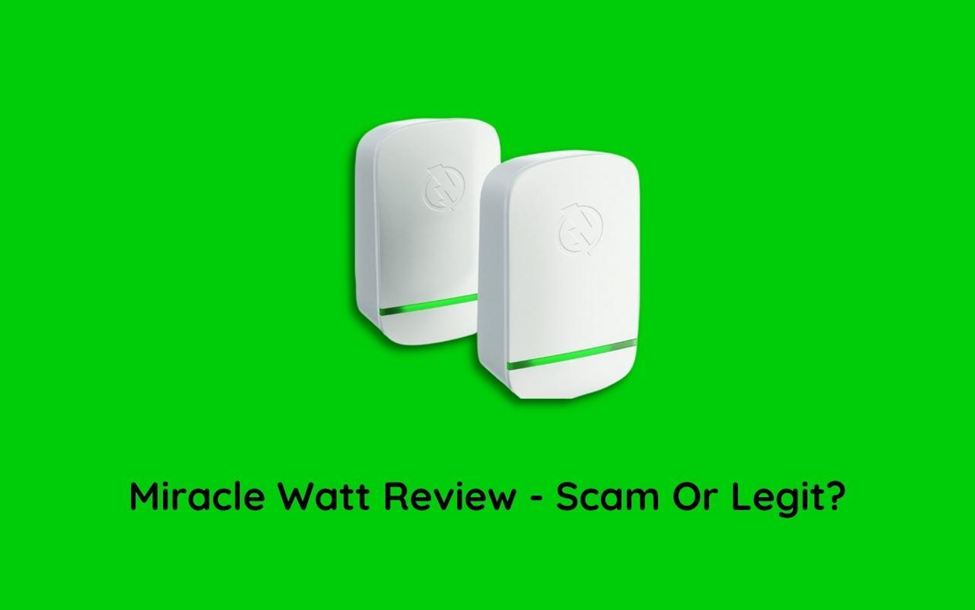
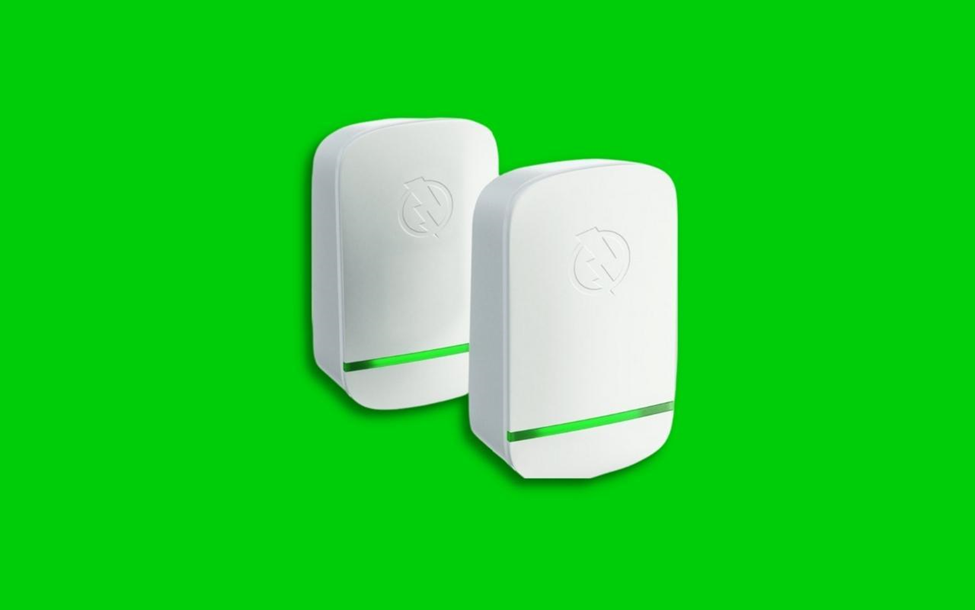
Here’s the bottom line: Miracle Watt is a real product you can buy online, but the big promise—that plugging it in will noticeably cut your normal household electricity bill—doesn’t hold up when you look at how home energy billing actually works.
The real issue isn’t just “the device does nothing.” A power-factor-style gadget can tweak certain electrical measurements like current or reactive power in some situations. But that usually doesn’t turn into actual savings on your bill.
Most reviews ask if Miracle Watt “works.” The smarter question is whether it reduces the thing your utility actually charges you for: residential kilowatt-hours. For most homes, the answer is generally no.
Miracle Watt’s BBB profile shows it as an online retailer of “consumer electronic and power products,” with the “MiracleWatt EMF Filter” listed among its offerings. It is not BBB accredited.
According to NIST, capacitor-type power factor correction devices have no effect on a typical household electric bill. Any reduction in current gets offset by a change in power factor, so the amount you’re billed for stays basically the same.
A similar “Power Saver” plug sold in Australia ended up in court, where judges ruled that consumers had been misled because the device couldn’t reduce the real power measured by home meters.
Recent safety checks on these kinds of energy-saving plugs found zero evidence of real savings and raised real electrical safety concerns. So the risk here goes beyond just whether you get a refund.
True energy savings come from cutting real load—things like shorter HVAC runtimes, lower water-heating demand, more efficient appliances, better lighting, reduced standby losses, fixing insulation gaps, or smarter settings. Not from a passive plug that claims to “clean” your electricity.
Industry Hub Mapping: Where This Topic Fits
Miracle Watt lives at the crossroads of consumer electronics, residential energy billing, electrical safety, advertising rules, and how utilities set their rates. The people who care about this include homeowners, utility companies, electricians, consumer watchdogs, online marketplaces, payment processors, and regulators.
The bigger picture touches on power factor correction, EMF filtering, surge protection, energy-efficiency standards, utility metering, and laws around misleading ads. ENERGY STAR, for example, tests real products against strict efficiency specs from the EPA. Miracle Watt-style devices are better judged by actual electrical measurements and billing logic than by star ratings or customer stories.
On the legal side, any change in how these products are advertised affects compliance risk. Energy-savings claims need to match the way consumers are actually billed, which means sellers may need to adjust their copy, refund policies, marketplace listings, and overall claims.
Direct Answer: Is Miracle Watt a Scam or Legit?
I’d call Miracle Watt a questionable energy-saving product rather than a proven way to shrink your household bill. It may be “legit” in the narrow sense that it’s a real item that gets sold and shipped, but the idea that a simple plug-in device can substantially lower a typical home electricity bill isn’t backed by NIST’s take on residential power-factor correction or by what’s happened with similar devices in court.
For the average homeowner, the practical takeaway is simple: don’t buy Miracle Watt expecting real electricity-bill savings. If something is marketed with terms like “dirty electricity,” “power stabilization,” “current balancing,” or “power factor correction,” the key question isn’t whether the words sound technical—it’s whether it actually cuts the real energy you use, measured in kilowatt-hours.
Context: Why Miracle Watt Sounds Plausible
Energy bills hit hard these days. You see the dollar amount every month, but it’s not always clear what’s driving it. A plug-in gadget that promises lower bills without changing your comfort, appliances, or habits is incredibly tempting—it offers savings with zero trade-offs.
A lot of people frame it as “Miracle Watt is either a scam or a breakthrough.” I think it’s more accurate to see it as a mismatch with how home billing works. The electrical concepts (power factor, reactive power, capacitors) are real. The problem is they’re being applied to the wrong situation—typical homes instead of big industrial setups.
The Department of Energy notes that low power factor matters for industrial systems, where utilities may charge penalties. They talk about motors, inductive loads, and facility-wide correction. That’s very different from promising a small household plug will lower your residential bill.
Core Concepts: kWh, Power Factor, and the “Savings” Gap
Your residential electric bill is mainly based on kilowatt-hours—real energy used over time. Run a 1,000-watt heater for one hour and you’ve used about 1 kWh. To cut the bill, you have to reduce wattage, runtime, tariff rates, or peak charges where they apply.
Power factor is something else entirely. It’s the ratio of real power to apparent power. In commercial or industrial buildings with big motors, poor power factor can increase current and strain the system, which is why some utilities penalize businesses for it. The DOE explains it clearly and notes those penalty fees for certain customers.
Many people think, “If power factor correction is real, then home power savers must work too.” Here’s the nuance: power factor correction can be real and still not save a homeowner any money. NIST’s explanation is the key point—reducing line current doesn’t reduce the billed energy for typical homes because the power factor shifts in the opposite direction, leaving the chargeable amount unchanged.
Mechanism: Why a Plug-In Device Usually Cannot Cut a Home Bill
These plug-in “power savers” are basically capacitor-style devices. Capacitors can supply reactive current locally to inductive loads, which sometimes reduces the current pulled from the grid. That sounds helpful, and it can be in big industrial systems.
But home bills don’t usually reward that. NIST points out that while current from the power line might drop, appliance operation stays the same. Your bill is based on real energy, so the cost doesn’t change for a typical residence.
A question many articles dodge: Can a Miracle Watt-style device lower amps without lowering my bill? Yes. A capacitor can reduce certain current readings with inductive loads, but if your utility bills real kWh (not apparent energy or reactive power), your actual chargeable consumption doesn’t drop. Lower amps ≠ lower bill.
The real standard isn’t a flashy product label—it’s understanding the difference between real power, reactive power, and apparent power, and how your utility actually bills you. Power factor correction can work electrically but fail to deliver economic savings for regular homes.
Comparative Evaluation: Miracle Watt vs. Proven Energy Savings
A lot of people say, “Just try it and see if your bill drops.” That’s a weak test. Weather, how many days are in the billing cycle, occupancy changes, and HVAC use can easily mask (or fake) tiny effects. A proper check would measure actual kWh under controlled conditions.
ENERGY STAR focuses on things that genuinely cut energy use: heating and cooling equipment, appliances, water heaters, lighting, building products, office gear, and electronics. These all reduce real consumption.
A smart thermostat, efficient heat pump water heater, LED bulbs, better insulation, new appliances, or a smart power strip actually save money by changing wattage or runtime. Miracle Watt-style devices promise savings without touching load behavior—and that’s where the physics and billing logic fall apart.
Downstream Impact
When energy-savings claims aren’t properly validated, it creates problems for consumer protection and online marketplaces. Vague electrical claims can turn normal marketing into a substantiation issue, affecting ad reviews, seller checks, refunds, and safety screening.
Recent investigations into similar plugs found no real savings and flagged failures to meet basic electrical safety standards. Electrical Safety First reported unjustified claims plus hazardous construction issues.
Proprietary Comparison Table: The Real Decision Logic
| Option | What It Changes | Likely Bill Impact | Hidden Trade-Off | When It Makes Sense |
|---|---|---|---|---|
| Miracle Watt-style plug | Claims to alter power quality, current, or EMF | Low to unsupported for typical homes | May distract from real load reduction; possible product-quality risk | Not recommended for bill savings |
| Smart power strip | Cuts standby power to selected devices | Modest but real when devices have standby draw | Can interrupt devices that need constant power | Entertainment centers, office setups |
| Smart thermostat | Reduces HVAC runtime | Often meaningful where heating/cooling dominates | Comfort and scheduling discipline matter | Homes with central HVAC |
| LED lighting | Reduces lighting wattage | Predictable where lights run many hours | Savings are smaller if lighting use is already low | High-use rooms, exterior lighting |
| Insulation/air sealing | Reduces heating/cooling load | High in leaky homes | Upfront cost and contractor quality | Older homes, comfort complaints |
| Appliance replacement | Reduces load from major equipment | Context dependent | Payback can be slow if old unit is lightly used | Failed or high-use appliances |
Success Metrics Professionals Use
- kWh before/after under normalized conditions – Measures real energy consumption. It separates actual savings from weather or billing-cycle noise.
- Load runtime – Hours HVAC, water heater, or appliances operate. Most household savings come from reducing runtime.
- Measured wattage at plug or panel – Real-time power draw. Shows whether a device reduces real load, not just claimed current.
- Payback period – Purchase cost divided by annual savings. Prevents buying a “savings” product that never pays for itself.
- Safety certification and recall status – Product compliance risk. A cheap plug left plugged in 24/7 needs to be electrically safe.
Practical Insights: How to Judge Miracle Watt Claims
Here’s a straightforward decision framework:
- If a device claims 30–50% savings without changing appliance runtime, temperature settings, insulation, lighting, or equipment efficiency, treat it as unsupported until independent kWh testing proves otherwise.
- If the seller talks about power factor, ask whether your residential tariff even charges for poor power factor. If your bill is based on kWh only, improvements probably won’t lower your charge.
- If they mention “dirty electricity” or EMF filtering, separate the ideas. Filtering noise isn’t the same as cutting billable energy. A device could filter noise and still show zero measurable bill savings.
- If the pitch relies mostly on testimonials, countdown timers, advertorials, or “utility companies hate this” language, that’s marketing pressure, not evidence. The ACCC’s action against a similar device shows regulators care about whether it reduces real power recorded by home meters—not how technical the pitch sounds.
Field Note: Practitioner Insight
Theory says you could test Miracle Watt by comparing bills before and after. In real life, it’s tricky because weather, billing-cycle length, guests, appliance use, and HVAC runtime all change at once. A better approach is measuring specific circuits or plug loads with a watt meter over a fixed period and comparing normalized kWh instead of total dollars.
This is why many “it worked for me” stories don’t hold up. A lower bill after plugging something in could easily come from milder weather, fewer billing days, a vacation, thermostat tweaks, or rate timing—not the device.
Expert Disagreement: Is Power Factor Correction Ever Useful?
Experts agree power factor correction exists. They disagree on where it actually saves money.
One side points out it can reduce current, improve capacity, and avoid penalties in commercial or industrial settings with big inductive loads. DOE materials back this up when discussing motors, capacitor sizing, and utility penalties.
The other side says residential plug-in devices are misleading when sold as home bill reducers, because typical home meters charge for real energy, not reactive burden. NIST supports this for households, and the ACCC case shows how similar claims can be legally misleading.
Both can be right. The smart move is matching the solution to your actual tariff, load profile, and metering method.
Limitations and Risks
This review doesn’t claim every Miracle Watt unit is unsafe, identical, or never delivered. It also doesn’t make a legal judgment of fraud. The clear, fact-based takeaway is that the household bill-savings claim isn’t supported by how residential electricity billing works.
The bigger risk is opportunity cost—you might spend money on a plug while skipping higher-impact steps like sealing duct leaks, optimizing thermostat schedules, upgrading lighting, maintaining HVAC, or replacing a failing fridge or water heater.
There’s also a safety angle. Similar devices tested by consumer groups have raised concerns about build quality and compliance, so treat any always-on plug as a potential safety item, not just a money-saving gadget.
FAQ
Is Miracle Watt a scam? Miracle Watt appears to be an actual sold product, but its implied promise of meaningful household electricity savings is not supported by residential billing physics. A fair wording is: questionable for bill savings, not proven legitimate as an energy-saving solution.
Does Miracle Watt really lower electric bills? For typical residential customers, there is no credible technical basis to expect major savings from a plug-in power-factor-style device. NIST explains that these devices do not affect a typical household electric bill because the relevant billed product remains unchanged.
Can power factor correction save money anywhere? Yes, in some commercial or industrial settings where utilities charge power-factor penalties or bill based on apparent demand. DOE guidance discusses power-factor costs in contexts involving motors, inductive loads, and utility penalty fees.
Is Miracle Watt the same as a surge protector? Not necessarily. A surge protector is designed and rated to divert voltage spikes; an energy-saving plug usually claims to reduce consumption or stabilize power. Do not assume one function proves the other.
Why do some reviews say Miracle Watt works? Some reviews may rely on testimonials, affiliate promotions, or uncontrolled bill comparisons. Bills can fall for many reasons unrelated to the device, including weather, occupancy, billing days, thermostat changes, or rate adjustments.
What should I buy instead to reduce my bill? Start with actions that reduce real kWh: thermostat scheduling, HVAC maintenance, air sealing, LED lighting, efficient appliances, smart power strips for standby loads, and ENERGY STAR-certified equipment where replacement is already justified. ENERGY STAR lists certified categories designed around measurable efficiency specifications.
Should I keep Miracle Watt plugged in if I already bought it? Do not keep any questionable plug-in device energized continuously unless you are confident it is properly certified, undamaged, and appropriate for your electrical system. Similar energy-saving plugs have raised safety concerns in independent testing.
Conclusion
Miracle Watt isn’t something I’d recommend for cutting a normal household electricity bill. The strongest technical evidence goes against the core savings claim: residential bills usually charge for real energy consumption, and power-factor-style correction doesn’t meaningfully reduce that billable quantity.
The most accurate verdict is this—Miracle Watt may be a real product, but its energy-saving promise isn’t credibly proven for typical homes. Treat it as a high-risk purchase for bill reduction and focus instead on measures that actually reduce measured kWh, equipment runtime, or inefficient loads.