
Quick Take
Here’s the straight answer: Belly drainage ginger oil can make your abdomen feel warmer, smoother, or even temporarily less bloated after a good massage. But there’s no solid clinical evidence that rubbing it on your belly actually melts belly fat.
The “before and after” changes you often see? They’re usually from massage moving fluid around, skin reacting to the irritation, better posture in photos, lighting tricks, or short-term digestive shifts—not real fat loss.
Ginger taken by mouth has been studied for weight and metabolism, but that doesn’t carry over to rubbing oil on your skin. A 2024 meta-analysis showed potential benefits from eating ginger, not massaging it on your belly.
The FTC is clear: claims that you can lose weight just by rubbing on creams or oils—without changing your habits—are not truthful.
Ginger products are generally safe for topical use for most people, but essential oils can irritate skin or cause allergic reactions. They’re not risk-free.
The real question isn’t “Does my stomach feel flatter right now?” It’s “Did my waist measurement, weight trend, and body-fat markers actually change over weeks while I kept diet and activity consistent?”

Bottom line: This oil is best seen as a cosmetic massage aid, not a fat-loss treatment. It can be a nice part of your relaxing self-care routine, but it shouldn’t replace calorie control, strength training, walking, good sleep, or proper medical care when needed.
Where Belly Drainage Ginger Oil Fits in the Market
Belly drainage ginger oil lives at the crossroads of cosmetic body oils, aromatherapy, weight-loss supplements, and social-media “detox” trends. That mix matters because each category speaks a different language—cosmetics say “firming,” aromatherapy talks “circulation,” influencers push “drainage,” and ads hint at fat loss.
You’ll see dermatologists, obesity doctors, dietitians, formulators, regulators, and online platforms all circling this space. The real tools driving it aren’t medical devices—they’re ad platforms, influencer funnels, review systems, and those eye-catching before-and-after photos.
The common story is that it’s a natural way to “burn,” “drain,” or “melt” belly fat. A clearer view: It’s really a sensory cosmetic product. Its value comes from the immediate feel—warmth, nice scent, slippery massage, and temporary tightness. Those sensations aren’t the same as actually shrinking fat tissue.
Does Belly Drainage Ginger Oil Really Work?
There’s no convincing evidence that belly drainage ginger oil directly causes belly fat loss. Ginger has active compounds, and oral ginger has research behind it for metabolism. But topical oil rubbed on the skin hasn’t been shown to reach deep abdominal fat in meaningful amounts or trigger real fat reduction.
A fair take: It can help you massage the area, enjoy the warmth, and notice short-term changes in bloating or skin feel. But if the promise is “lose belly fat without changing diet, activity, sleep, or energy balance,” that goes against how fat loss actually works. The CDC reminds us that weight loss comes from a calorie deficit, usually through food and movement.
Why These Oils Got So Popular
People are frustrated with stubborn belly fat—it’s visible, emotional, and slow to shift. Smart marketing uses words like “drainage,” which sounds gentler than “fat melting” but still suggests you can massage stored fat away.
You’ll see plenty of posts claiming it boosts circulation, detoxes, breaks down fat, or reduces bloating. Skeptics just say “it doesn’t work.” Both miss the useful middle ground: a product can change how your belly feels and looks in the moment without actually changing fat mass.
Common belief: If your belly looks flatter after massage, the oil worked. Better perspective: That flatter look often comes from less gas, fluid movement, relaxed muscles, or skin redness changing how light hits. None of that means you lost subcutaneous or visceral fat.
Fat, Bloating, Water, and Skin—They’re Not the Same Thing
It helps to separate what we lump together as “belly fat”:
- Subcutaneous fat (the pinchable layer under skin)
- Visceral fat (deeper fat around organs, linked to health risks)
- Bloating (from gas, fluid, constipation, food sensitivities, hormones, etc.)
- Skin texture (affected by hydration, irritation, massage, lighting)
Belly drainage ginger oil might temporarily help with bloating and skin feel through massage and warming. But true fat loss means mobilizing stored fat, burning it for energy, and keeping up an energy deficit over time.
Common mix-up: Belly size equals belly fat. Reality: Belly size is a mix of many factors. A product might ease tightness while fat mass stays the same.
Why Topical Ginger Oil Probably Won’t Burn Belly Fat
Ginger oil’s aromatic compounds create warmth and scent on the surface. For it to actually reduce fat, those compounds would need to penetrate deep, reach fat cells in effective amounts, trigger fat breakdown, and create real changes in body composition. That’s a very high bar.
Current evidence supports oral ginger more strongly for nausea and some metabolic markers. The National Center for Complementary and Integrative Health (NCCIH) notes ginger is studied safely when taken by mouth, and topical versions may be okay—but that’s different from proving fat loss.
That warming feeling? It’s usually just local blood flow or mild irritation, not fat burning. A heating pad does the same thing without being a weight-loss product.
Common thought: Warmth = thermogenesis and fat burning. Clearer view: Skin-level heat isn’t the same as whole-body fat-burning processes. Real fat loss needs measurable energy use.
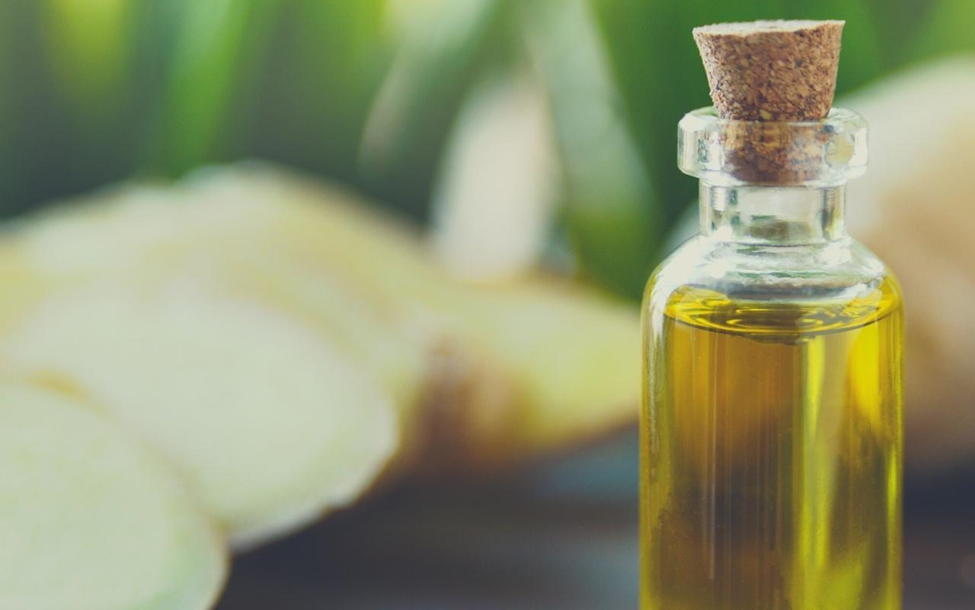
Ginger Oil vs. Oral Ginger vs. What Actually Works
Here’s a practical comparison:
| Approach | What It May Realistically Do | Main Limitation | Best Use Case |
|---|---|---|---|
| Belly drainage ginger oil | Provides massage slip, scent, warmth, temporary skin feel change | No strong evidence for direct belly-fat loss | Self-care or cosmetic massage |
| Oral ginger | May modestly influence body composition or metabolic markers in some studies | Effects are context dependent and not a replacement for diet/activity | Adjunct to nutrition plan if safe |
| Calorie deficit | Reduces total body fat over time | Hard to maintain; hunger and adherence matter | Primary fat-loss lever |
| Resistance training | Preserves or builds lean mass during fat loss | Requires progression and consistency | Better body composition and maintenance |
| Aerobic activity | Raises energy expenditure and can reduce visceral fat | Compensation through appetite can occur | Waist and cardiometabolic improvement |
| Medical obesity treatment | Can produce larger effects when clinically indicated | Cost, eligibility, side effects, monitoring | Higher-risk obesity or failed lifestyle-only attempts |
Exercise and calorie restriction both help, but not in exactly the same ways. A 2023 review found exercise has strong dose-response effects on visceral fat, especially for people carrying extra weight.
How to Judge the Claims
Here’s a helpful way to evaluate what you’re being told:
| Claim Type | Example Claim | Evidence Burden | What It Usually Means in Practice | Review Verdict |
|---|---|---|---|---|
| Sensory claim | “Feels warming” | Low | User can feel tingling or heat | Plausible |
| Cosmetic claim | “Skin feels smoother” | Low to moderate | Oil hydrates skin and massage changes feel | Plausible |
| Bloating claim | “Belly feels lighter” | Moderate | Massage, routine, or digestion may change perception | Possible but not fat loss |
| Drainage claim | “Helps drain the belly” | Moderate to high | Vague; may imply lymphatic movement without measurement | Needs skepticism |
| Fat-loss claim | “Melts belly fat” | Very high | Requires body-composition evidence | Not supported |
| Spot-reduction claim | “Targets lower belly fat” | Very high | Implies local fat oxidation control | Generally unsupported |
“Drainage” is a clever bridge word—it sounds gentle and cosmetic, but many people hear it as fat loss. That gray area sells a lot of products.
How to Actually Tell If It’s Working
Professionals look at real metrics, not just how it feels right after applying:
- Waist circumference — measured consistently over 4–12 weeks
- Body-weight trend — weekly averages instead of daily fluctuations
- Skin reaction — tracking redness, itching, etc.
- Diet & activity adherence — calories, steps, protein, workouts
- Progress photos — same lighting, posture, time of day
Without those controls, you’re mostly just getting a feeling report—which is fine for self-care, but doesn’t prove fat loss.
Practical Tips for Using It Safely
Treat it purely as a cosmetic or massage oil. Always patch test, dilute if it’s an essential oil, and keep it away from broken skin or sensitive areas.
Skip tight wrapping unless the product says it’s okay and your skin handles it well. Don’t stack multiple warming products (ginger oil, capsaicin creams, menthol, sauna belts) — the reaction can get intense.
Common myth: More burning = better fat loss. Reality: More burning usually just means more skin stimulation. Comfort matters more than intensity.
Pro tip from practice: Measure your waist once a week in the morning, after the bathroom, before eating, same conditions. That stops you from mistaking normal daily changes (or digestion after a big meal) for “oil magic.”
The Spot Reduction Question
Traditional advice calls spot reduction a myth, and that’s still a solid rule for everyday decisions. Newer research shows some nuance around localized exercise possibly influencing nearby fat under specific conditions, but that doesn’t support rubbing oils for quick results.
The debate among experts is about mechanisms in controlled training—not about commercial “rub-on” products. For visible changes, total fat loss through consistent nutrition and activity is still the way.
Limitations and Safety Notes
We don’t have direct studies on topical belly ginger oil for fat loss. Oral studies don’t translate here—different delivery, absorption, and effects.
Many reviews are written right after use when the warmth feels strongest, which naturally boosts positive feedback even without fat changes.
Safety-wise, “natural” doesn’t mean zero risk. Sensitive skin, eczema, allergies, or pregnancy can increase irritation chances. Check with a doctor if you take medications, as interactions are possible.
FAQ
Does belly drainage ginger oil burn belly fat? There is no convincing evidence that rubbing ginger oil on the abdomen burns belly fat. It may create warmth or temporary skin changes, but fat loss requires sustained energy balance changes.
Can ginger oil reduce bloating? It might make the belly feel more comfortable when used with gentle massage, but bloating has many causes. If bloating is persistent, painful, or associated with weight loss, vomiting, blood in stool, or major bowel changes, medical evaluation is more important than topical oil.
Is ginger oil better than slimming cream? Not necessarily. Both categories usually rely on cosmetic effects unless they have clinical evidence showing body-fat reduction. Judge the claim, not the ingredient.
How long would it take to see real belly fat loss? Real belly-fat loss usually takes weeks to months and is best tracked through waist circumference, weight trend, and body-composition indicators. Same-day changes are more likely water, gas, posture, or skin appearance.
Can I put ginger oil in my belly button? This is a popular social-media method, but it does not create a special fat-loss pathway. The navel is still skin; it does not deliver oil directly to belly fat.
Is belly drainage ginger oil safe? It may be safe for some people when properly diluted and patch tested, but irritation and allergic reactions are possible. Do not ingest essential oils unless directed by a qualified professional and a product is specifically made for that use.
What works better for belly fat? A calorie deficit, adequate protein, resistance training, aerobic activity, sleep, and stress management are more evidence-aligned. For people with obesity-related health risks, medical treatment may be appropriate.
Final Thoughts
My take on belly drainage ginger oil is pretty balanced: it can feel pleasant and warming and make a nice addition to massage time. But it shouldn’t be sold or used as a serious belly-fat-loss solution.
Ginger has real biological activity—that’s not the question. The gap is whether rubbing it on your abdomen meaningfully reduces belly fat in real people. That hasn’t been proven.
Buy it if you want a nice scented massage oil and your skin likes it. Just don’t count on it to melt fat, drain deep stores, replace workouts, or shrink your waist without solid changes to diet and daily habits. Your results will thank you for keeping it real.