
A U.S. McDonald’s Cheeseburger isn’t nutritionally extreme for fast food. It has 300 calories, 15 g protein, 13 g fat, and 31 g carbohydrates. Its main weaknesses aren’t just the calories—they’re the sodium, saturated fat, low fiber, and the ultra-processed context it usually comes with.
Here’s a contrarian insight: one cheeseburger can actually fit into a reasonable day of eating more easily than some “healthy-looking” fast-food salads or smoothies that are loaded with sugar, dressing, or hidden calories. The real trouble usually starts when it turns into a full meal system: burger + fries + soda + dessert.
The burger does deliver meaningful protein—15 g, which is roughly 30% of the FDA Daily Value for protein on a 2,000-calorie diet.
Sodium is the biggest constraint. The FDA sets the Daily Value at 2,300 mg and flags 20% DV or more as “high” for a single food.
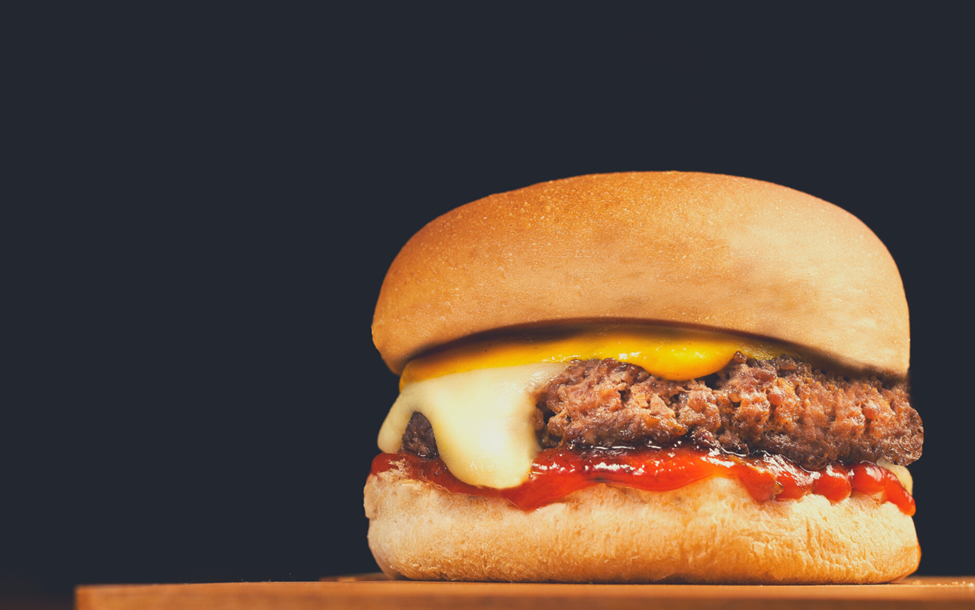
McDonald’s describes the cheeseburger as a 100% beef patty, American cheese, pickle, onions, ketchup, mustard, and bun. The pickle contains an artificial preservative.
The most useful question isn’t “Is it good or bad?” but “What does it replace?” Swapping a balanced home meal with vegetables and legumes for this is a downgrade. Replacing a 1,100-calorie combo meal? That’s actually an improvement.
The industry north star isn’t one perfect “healthy food” label. The practical standard comes from dietary pattern quality, using FDA Daily Values and the U.S. Dietary Guidelines for limits on sodium, saturated fat, and added sugars.
The deeper risk is frequency. Higher exposure to ultra-processed foods has been linked to greater risk of adverse health outcomes, especially cardiometabolic issues and mortality, though the strength of evidence varies across different outcomes.
Direct Answer
A McDonald’s Cheeseburger is neither a nutritional disaster nor a health food. As a single item, it’s a moderate-calorie fast-food option with useful protein, but it’s held back by sodium, saturated fat, refined carbohydrates, low fiber, and its place in a broader ultra-processed eating pattern.
The best way to judge it is conditionally: it can be good as an occasional, portion-controlled convenience food. It becomes more problematic as a frequent default meal—especially when paired with fries and sugary drinks. Its health impact depends less on moral labels and more on frequency, what you eat with it, your personal medical context, and what it displaces.
Industry Hub Mapping: Where This Cheeseburger Fits
A McDonald’s Cheeseburger sits at the intersection of several nutrition and business systems:
| Hub | Connection to the Cheeseburger | Why It Matters |
|---|---|---|
| Nutrition labeling | Calories, fat, saturated fat, sodium, carbs, protein | Allows comparison against FDA Daily Values |
| Public health | Sodium, saturated fat, ultra-processed foods | Relevant to blood pressure, heart health, and dietary pattern risk |
| Food operations | Standardized ingredients and portion control | Makes the item predictable compared with many restaurant meals |
| Consumer behavior | Value menus, speed, combo ordering | Health effect changes when the burger becomes part of a larger meal |
| Economic/capital pillar | Low-cost protein and convenience | Helps explain why fast food persists despite health concerns |
Cross-domain anchor — Economic/Capital: When cheeseburger pricing or value-menu placement changes, it affects public nutrition. Lower prices tend to increase purchase frequency, especially for people with tight time and budget constraints. The mechanism is straightforward: when a 300-calorie burger is the cheapest protein option near work or school, decisions shift from “optimal nutrition” to “affordable satiety per minute.”
Context: Why Generic Answers Miss the Point
Most articles just list the calories, fat, carbs, and sodium, then say the burger is “okay in moderation.” That’s not wrong, but it’s incomplete.
Common View: A McDonald’s Cheeseburger is bad because it’s fast food, processed, salty, and high in fat. Refined Insight: The cheeseburger isn’t automatically the worst choice in your diet. The bigger issue is whether it becomes a repeated substitute for fiber-rich, micronutrient-dense meals. One 300-calorie cheeseburger is less concerning than the behavioral pattern it can anchor: speed, low satiety from refined carbs, salty sides, sweet drinks, and repeat exposure.
The search-gap question most articles answer vaguely is: Is the cheeseburger bad because of its ingredients or because of the total dietary pattern around it? The definitive answer: both matter, but the dietary pattern is usually the stronger driver of long-term risk. The burger has specific nutrient limits, but long-term health risk rises most when ultra-processed foods make up a large share of total energy intake. A 2024 BMJ umbrella review found greater ultra-processed food exposure was associated with higher risk of adverse health outcomes, especially cardiometabolic, common mental disorder, and mortality outcomes, while also noting that evidence quality varied across outcomes.
Core Nutrition Facts
According to McDonald’s U.S. nutrition information, the Cheeseburger contains 300 calories, 15 g protein, 31 g total carbohydrates, and 13 g total fat.
McDonald’s describes it as a beef patty with American cheese, pickle, chopped onions, ketchup, mustard, and a regular bun. The patty is 100% pure USDA-inspected beef with no fillers or extenders, and the pickle contains an artificial preservative.
Common View: The beef patty is the main problem. Refined Insight: The beef patty contributes saturated fat, but the full item’s health profile also comes from the bun, cheese, condiments, sodium, and low fiber. Removing the patty would remove protein and iron-containing beef; improving the meal often means changing the sides and drink first.
From an FDA Daily Value perspective, adults on a 2,000-calorie reference diet use benchmarks such as 50 g protein, 78 g total fat, 20 g saturated fat, 275 g carbohydrate, 28 g fiber, 50 g added sugars, and 2,300 mg sodium.
Mechanism: What Happens Nutritionally When You Eat It?
The burger gives you a mix of refined carbohydrate, animal protein, fat, sodium, and small amounts of sugar from the ketchup and bun. The protein and fat slow digestion more than a plain sugary snack, which can help you feel fuller in the short term compared with soda or candy. But the bun and condiments add refined carbs without much fiber, so the meal lacks the slow-digesting structure you get from beans, oats, vegetables, or whole grains.
Common View: Calories are the main issue. Refined Insight: Calories are only the first layer. A 300-calorie food can still be weak if it offers little fiber, few vegetables, high sodium, and limited micronutrient diversity. On the flip side, a higher-calorie meal can be healthier if it includes unsaturated fats, legumes, whole grains, and vegetables.
The FDA’s label guidance treats 5% DV or less as low and 20% DV or more as high for a nutrient. This matters because the burger should be judged by nutrient density, not just total calories.
The cheeseburger’s protein is a real benefit. The National Academies’ Dietary Reference Intake tables use 0.8 g protein per kg body weight per day as the adult RDA basis. For a smaller adult, 15 g can be a meaningful contribution; for a large athlete, it’s more modest.
Comparative Evaluation: When It Looks Better or Worse
| Scenario | Nutritional Judgment | Why |
|---|---|---|
| Cheeseburger alone with water | Better | 300 calories, portion-controlled, meaningful protein |
| Cheeseburger + small fries + soda | Worse | Sodium, added sugar, refined starch, and calories rise quickly |
| Cheeseburger after a high-fiber breakfast and vegetable-heavy dinner | More acceptable | Daily pattern can compensate for low fiber and micronutrient gaps |
| Cheeseburger as daily lunch | Riskier | Repeated sodium, saturated fat, and low-fiber pattern accumulate |
| Cheeseburger replacing a double burger combo | Improvement | Reduces portion size and total meal load |
| Cheeseburger replacing lentils, vegetables, and whole grains | Downgrade | Less fiber, potassium, plant compounds, and food variety |
Common View: “Choose grilled chicken or salad instead.” Refined Insight: That advice can fail if the alternative comes with heavy dressing, sugary beverages, low satiety, or higher calories. The better rule is: choose the meal with the lowest combination of sodium burden, excess calories, added sugars, and low fiber for your goal.
Downstream Impact
A change in cheeseburger frequency affects cardiovascular risk management because sodium and saturated fat intake influence blood pressure and lipid-related risk pathways. This requires adjustments in meal planning, medication discussions for some patients, grocery budgeting, and workplace lunch routines.
This is where a single food becomes an operational issue. A clinician may advise lower sodium, but the patient might only have 20 minutes for lunch, limited kitchen access, and a budget that makes fast food predictable. The practical intervention isn’t “never eat it”—it’s “change the default order and reduce frequency.”
Proprietary Comparison Table: The Cheeseburger Decision Matrix
| Decision Factor | Cheeseburger Strength | Cheeseburger Weakness | Practical Rule |
|---|---|---|---|
| Cost vs nutrient density | Affordable protein | Low fiber and limited produce | Pair with fruit, salad, or vegetables later |
| Speed vs control | Fast and standardized | Less control over sodium and ingredients | Avoid making it the automatic lunch |
| Protein vs saturated fat | 15 g protein | Protein comes with cheese and beef fat | Useful occasionally; not the only protein source |
| Portion size vs satiety | 300 calories limits damage | May not satisfy without sides | Add water and a high-fiber side, not soda |
| Predictability vs dietary quality | Nutrition data is available | Still an ultra-processed fast-food item | Track frequency, not just one meal |
Success Metrics Professionals Would Use
- Sodium load per meal: Sodium compared with 2,300 mg Daily Value. Helps manage blood pressure and daily sodium budget.
- Protein-to-calorie ratio: Grams of protein per 100 calories. Shows whether calories contribute to satiety and muscle maintenance.
- Fiber gap: Fiber in the meal versus 28 g Daily Value. Low fiber predicts poor fullness and weaker gut-health support.
- Combo escalation: Calories and sodium after adding fries/drink. Captures the real-world order, not the isolated burger.
- Frequency per week: Number of fast-food burger meals. Long-term risk is pattern-driven, not single-item-driven.
Practical Insights
For most healthy adults, treat the cheeseburger as a controlled compromise. It’s not ideal, but it’s also not the same as a large combo meal. The smartest version is simple: cheeseburger, water or unsweetened drink, and skip the fries most of the time.
For people with hypertension, kidney disease, heart failure, or sodium-sensitive blood pressure, the sodium becomes more important. The FDA’s sodium Daily Value is 2,300 mg, and the American Heart Association often encourages lower sodium patterns, especially for heart health.
For weight management, the burger’s advantage is portion control. A 300-calorie known item can be easier to track than restaurant meals with hidden oils and oversized portions. The risk is that it may not keep you full unless the rest of your day includes fiber and volume from whole foods.
For athletes or active people, the cheeseburger can provide quick protein and calories, but it’s not a complete recovery meal. It lacks the potassium, fiber, and micronutrient density of a meal built around potatoes, fruit, vegetables, dairy, legumes, or whole grains.
Field Note (Practitioner Insight)
While theory suggests replacing fast food with home-cooked meals, in practice the difficulty shows up at the planning stage. Time, commuting, shift work, childcare, and food storage constraints limit realistic options. A common adjustment isn’t immediate elimination but “order architecture”: keep the cheeseburger if needed, skip the sugary drink, split or skip fries, and deliberately add fiber at the next meal.
This works because it targets the highest-impact parts of the pattern without forcing someone to rebuild their entire food environment overnight.
Expert Disagreement: Is the Main Problem Nutrients or Processing?
Experts often disagree on whether fast-food criticism should focus on nutrient targets or ultra-processing.
The nutrient-focused view prioritizes measurable intake: calories, sodium, saturated fat, added sugar, fiber, and protein. This approach is useful because people can compare labels and adjust totals using FDA Daily Values.
The processing-focused view says nutrient math misses something important: ultra-processed foods may encourage overconsumption through texture, palatability, speed of eating, low fiber structure, and repeated exposure. The BMJ umbrella review supports concern about higher ultra-processed food exposure, but it also shows why careful interpretation matters—not every outcome has the same evidence strength.
The practical answer is to use both lenses. Nutrient data helps you judge the cheeseburger today; processing-pattern awareness helps you judge whether it’s becoming a default diet.
Limitations and Risks
The cheeseburger doesn’t provide much dietary fiber, vegetable volume, or micronutrient diversity. That means it shouldn’t be expected to carry the load of a full balanced meal.
The second limitation is sodium concentration. You can fit one salty item into a day, but repeated salty restaurant meals leave less room for other foods without exceeding targets.
The third limitation is behavioral. Fast food is engineered for convenience, consistency, and repeat purchasing. The burger itself may be moderate, but the restaurant environment encourages add-ons. That’s why the “badness” of a cheeseburger often appears at checkout, not on the ingredient list.
FAQ
Is a McDonald’s Cheeseburger healthy? It is not a health food, but it can fit into an otherwise balanced diet occasionally. Its strengths are portion control and protein; its weaknesses are sodium, saturated fat, refined carbohydrate, and low fiber.
How many calories are in a McDonald’s Cheeseburger? A U.S. McDonald’s Cheeseburger has 300 calories according to McDonald’s current nutrition page.
Is a McDonald’s Cheeseburger better than a Big Mac? Usually, yes, if the goal is calorie and portion control. A regular cheeseburger is smaller and simpler, though it is still a fast-food item with sodium and saturated fat concerns.
Is the cheeseburger good for protein? It provides 15 g protein, which is meaningful for a 300-calorie item. But it should not be your main protein strategy if it crowds out fish, beans, eggs, yogurt, poultry, tofu, or lean meats.
What is the worst part of a McDonald’s Cheeseburger? The most important weaknesses are sodium, saturated fat, low fiber, and the tendency to be eaten with fries and soda. The combo pattern is usually worse than the single burger.
Can I eat one while losing weight? Yes, if it fits your calorie target and does not trigger a larger high-calorie order. For weight loss, the best version is cheeseburger plus water, with fiber-rich foods elsewhere in the day.
Is it okay for kids? Occasionally, but it should not become a routine replacement for meals with fruits, vegetables, whole grains, and varied protein sources. Children’s sodium and calorie needs are lower than adults’, so frequency matters.
Conclusion
A McDonald’s Cheeseburger is moderately bad and conditionally useful. It is better than many oversized fast-food meals because it is portion-controlled, predictable, and provides protein. It is worse than a balanced whole-food meal because it is salty, low in fiber, limited in produce, and part of an ultra-processed food environment.
The most accurate answer is not “good” or “bad.” It is this: one cheeseburger can be a manageable compromise; a cheeseburger-centered routine is a dietary quality problem. The decision should be based on frequency, medical context, total daily sodium, fiber intake, and what the burger replaces.