
Quick Takeaways
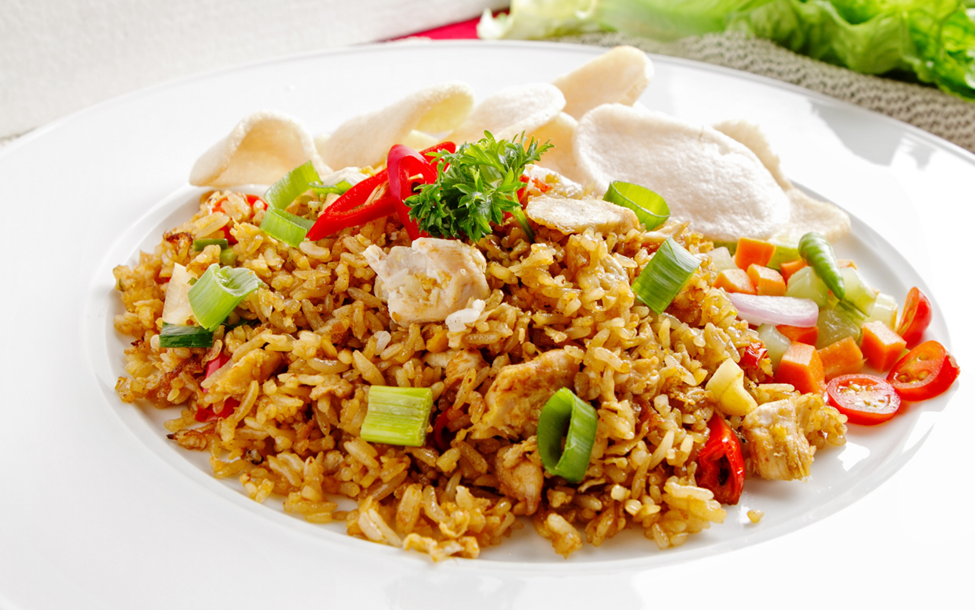
Fried rice can absolutely be healthy, but it’s not automatically good for you just because it has rice, veggies, or eggs. What really matters is portion size, how much oil and sodium you use, the amount of protein and fiber, and how the rice was stored.
Here’s the contrarian part most people miss: sodium is often the biggest issue, not the frying itself. One cup of chicken fried rice can pack around 711 mg of sodium—that’s roughly 30% of the FDA’s daily value.
Brown rice isn’t always the hero either. It brings more fiber and a gentler effect on blood sugar, but white rice can actually be a smarter pick for athletes, folks with sensitive digestion, or anyone who needs quick energy.
The real sweet spot? Treat rice as just one piece of the puzzle—not the whole plate. Aim for half vegetables, a quarter protein, and a quarter rice-based starch.
Leftover rice is totally fine to use, but only if you cool it quickly and refrigerate it right. Rice and leftovers are common culprits in Bacillus cereus foodborne illness when they sit out too long at room temperature.
A truly “healthy” fried rice has visible vegetables, solid protein, light sauce, and restrained oil. It’s not just a smaller serving of the heavy restaurant kind.
For anyone managing diabetes, insulin resistance, hypertension, kidney issues, or weight loss, the exact same recipe can swing from reasonable to problematic depending on the carbs and sodium load.
The practical goal isn’t to swear off fried rice. It’s to engineer a better bowl: more protein and veggies, less sauce, measured oil, and safe rice habits.
Where Fried Rice Fits in the Bigger Nutrition Picture
Fried rice touches four key health areas: carb quality, sodium load, cooking fat, and food safety. It also connects to real-life stuff like restaurant menus, meal prep routines, diabetes guidance, hypertension advice, school lunches, and how we store food at home.
Dietitians might zero in on glycemic load and fullness. Food safety pros focus on cooling the rice. Heart health folks watch the sodium. Restaurant owners think about speed, taste, and making big batches.
That’s why “Is fried rice healthy?” usually gets oversimplified online. It’s not one fixed thing—it’s a cooking style that can end up as a salty, refined-carb meal or a well-rounded plate with protein, vegetables, and grains.
Direct Answer
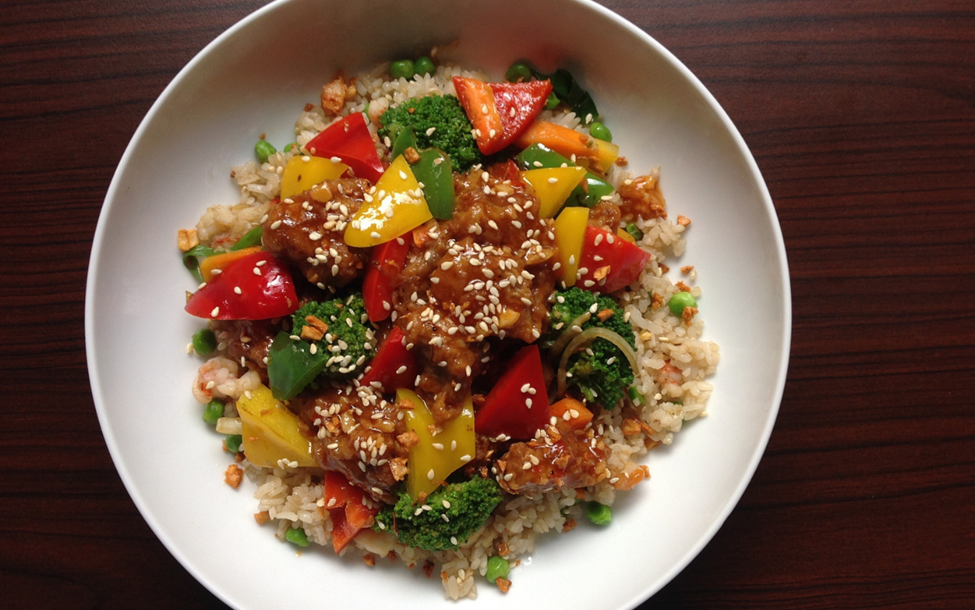
Fried rice works as a healthy meal when you build it right: a moderate rice portion, plenty of lean protein, lots of non-starchy vegetables, limited oil, and controlled sodium. It tips into less-healthy territory when the rice dominates, the carbs are mostly refined, the sauce is heavy, and oil is added freely.
A typical cup of chicken fried rice comes in at about 343 calories, 54.7 g carbohydrate, 14.4 g protein, 7.2 g fat, 1.8 g fiber, and 710.8 mg sodium. It’s not junk food, but it’s also not super nutrient-dense because the fiber is low and the sodium is high for the serving.
Why Fried Rice Gets Misjudged
Most people think fried rice is unhealthy because it’s fried, oily, and usually made with white rice.
The nuance is that “fried” is too vague. A quick stir-fry using just one teaspoon of oil, fresh vegetables, egg, shrimp, and a light hand with soy sauce is very different from a takeout box loaded with extra oil, heavy salty sauce, and skimpy protein. The cooking method matters, but the overall formula matters more.
The standard online tips—use brown rice, add vegetables, cut the oil—are a good start, but they miss the bigger concerns: sodium density and proper rice handling. Sodium sneaks in fast from soy sauce, oyster sauce, seasoning powders, kimchi, cured meats, and restaurant sauces. And food safety can’t be ignored when you’re working with leftover rice that sat out too long.
What Actually Makes Fried Rice Healthy or Unhealthy?
1. Carbohydrate Load Rice is the main carb player here. Carbs raise blood sugar, but the CDC points out that protein, fat, and fiber help slow that rise.
Common view: White rice is bad, brown rice is good. Refined insight: Brown rice generally gives more fiber and a lower average glycemic index, but total portion and what else is on the plate matter way more than rice color. Harvard’s Nutrition Source shows big variation in rice glycemic index—brown averages lower, but it still depends on the type and processing.
You can still end up with a high-sodium, high-carb meal using brown rice if the sauce is heavy and protein is low. A smaller white rice portion paired with eggs, tofu, vegetables, and controlled sauce might actually sit better for some people.
2. Sodium Sodium is the sneaky risk in fried rice. Just the soy sauce can drive it up, and restaurant versions often layer in even more salt.
The FDA sets 2,300 mg as the daily value, while the American Heart Association suggests no more than 2,300 mg per day and ideally 1,500 mg for most adults. One cup of chicken fried rice with 711 mg sodium means two cups can hit 1,400 mg before you even touch soup, dumplings, or other sides.
3. Protein and Fiber These two decide if your fried rice feels like a satisfying meal or just a quick starch hit. Eggs, chicken, shrimp, tofu, edamame, tempeh, or beans boost satiety. Vegetables add volume, potassium, phytonutrients, and fiber.
Quick test: Can you clearly see vegetables and protein in every bite? If not, the rice is probably running the show.
4. Oil Quality and Dose Oil isn’t the villain—uncontrolled oil is. One tablespoon adds about 120 calories. At home, the difference between one teaspoon and three tablespoons can turn your fried rice from a moderate meal into a calorie bomb.
Use just enough to keep things from sticking and carry flavor. Lean on aromatics like scallions, garlic, ginger, plus a splash of vinegar, chili, citrus, or a tiny bit of toasted sesame oil for big taste without going overboard on salt and fat.
How Fried Rice Affects Your Body
It works through four main pathways: glucose response, sodium-fluid balance, energy density, and microbial risk.
Rice starch turns into glucose. How fast and how high it spikes depends on rice type, portion, and the other ingredients. Protein, fat, and fiber slow things down, so egg-and-veg fried rice acts differently than plain rice.
Sodium influences fluid balance and blood pressure—something that matters more if you have hypertension, kidney disease, or salt sensitivity.
Frying can increase energy density when oil flows freely. Rice soaks up both oil and sauce, which is why restaurant versions can seem light but deliver more than you expect.
Finally, leftover rice brings a food safety angle many articles skip. FoodSafety.gov flags rice and leftovers as common sources of Bacillus cereus if they sit out too long. Keep hot foods above 140°F and cold ones at 40°F or below after two hours.
Homemade vs Restaurant vs Frozen Fried Rice
| Type of Fried Rice | Common View | Refined Insight | Best Use Case | Main Risk |
|---|---|---|---|---|
| Homemade fried rice | Automatically healthier | Healthier only if oil and sauce are measured | Meal prep, family dinners, controlled sodium | “Free-pouring” oil and soy sauce |
| Restaurant fried rice | Always unhealthy | Can fit occasionally, but portions and sodium matter | Shared side dish, not main starch plus entrée | Large serving size and hidden sodium |
| Frozen fried rice | Processed, therefore bad | Labels make sodium and calories visible | Quick meal with added vegetables/protein | Low protein or high sodium per serving |
| Brown rice fried rice | Best option | Better fiber profile, but still depends on portion and sauce | People seeking more whole grains | Health halo leading to oversized portions |
| Cauliflower fried rice | Best for weight loss | Lower carb, but may be less satisfying unless protein is added | Lower-carb eating patterns | Hunger rebound if too low in energy/protein |
How to Make Fried Rice Healthier in Real Life
Start with a simple 1:1:1 ratio—one part cooked rice, one part vegetables, one part protein. It instantly turns the dish into a balanced meal instead of a starch-heavy one.
For lower sodium, go easy on the soy sauce and brighten things up with ginger, garlic, scallions, white pepper, a touch of chili crisp, rice vinegar, lime, cilantro, or toasted sesame oil. Acid and aromatics make it taste seasoned without loading up on salt.
For steadier blood sugar, cut back on rice and load up on protein and vegetables. The CDC plate method is a great guide: half non-starchy veggies, one quarter lean protein, one quarter carbs like rice.
For weight management, don’t eat straight from the pan or takeout container. Plate a single serving, then add cucumber salad, steamed greens, soup, or fruit if you’re still hungry. The small grains, salt, and quick chew make it easy to overeat.
For safety, cool rice fast in shallow containers and get it into the fridge promptly. FoodSafety.gov recommends keeping hot foods above 140°F and cold below 40°F when storing longer than two hours.
A Real-World Practitioner Note
Theory says “just switch to brown rice,” but in practice it’s trickier. Brown rice is firmer, absorbs sauce differently, and some people who grew up on soft white rice just don’t like it. A 50:50 blend often works better, then boost the bowl with plenty of vegetables, egg, tofu, chicken, or shrimp instead of obsessing over rice type alone.
Diet changes stick better when they don’t feel like punishment. A slightly improved fried rice you’ll actually eat regularly beats a “perfect” version that sits in the fridge untouched.
Brown Rice, White Rice, or Low-Carb Rice? Where Experts Disagree
Nutrition pros don’t all agree on the best base.
Some push brown rice for its whole-grain fiber and lower average glycemic index (Harvard’s Nutrition Source confirms brown generally averages lower than white, though variation is wide).
Others say white rice fits fine when portions are controlled and the plate has good protein, vegetables, and fat—especially in cultures where it’s traditional, for athletes needing fast carbs, or people who digest it better.
A third group likes cauliflower rice or cauliflower-rice mixes for diabetes, weight management, or carb control. The catch is satiety—very low-carb versions can leave you hungry unless you intentionally add more protein and fat.
The right choice depends on your priorities: blood sugar, digestion, culture, cost, time, or what you’ll actually stick with.
Limitations and Risks
No single bowl of fried rice can fix an overall unbalanced diet. Even a well-made version won’t cancel out frequent high-sodium takeout, low veggie intake, or giant portions.
It may need tweaks (or should be limited) for people on strict low-sodium diets, those with chronic kidney disease, certain diabetes cases, or anyone with allergies to egg, soy, shellfish, sesame, or gluten (most soy sauce contains wheat unless labeled gluten-free).
Restaurant versions also rarely give clear nutrition info. When in doubt, assume higher sodium, share the dish, ask for sauce on the side or light, and skip extra soy at the table.
FAQ
Is fried rice good for weight loss? It can be, if the portion is controlled and the dish contains enough protein and vegetables. Weight loss depends on total calorie intake, and fried rice becomes calorie-dense when oil and rice portions are large.
Is chicken fried rice healthy? Chicken fried rice can be a balanced meal because it contains protein, carbohydrate, and sometimes vegetables. The main concerns are sodium, low fiber, and oversized portions.
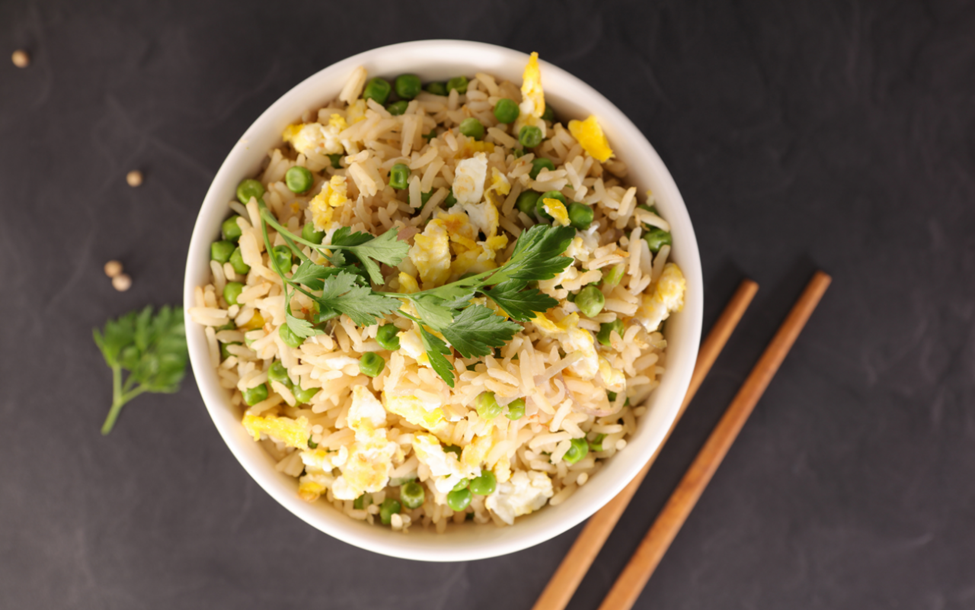
Is egg fried rice healthy? Egg fried rice can be healthy when paired with vegetables and moderate rice. Egg improves protein and micronutrient content, but sauce and oil still need control.
Is fried rice healthier than white rice? Sometimes. Fried rice with vegetables and protein may be more balanced than plain white rice, but it can also be higher in sodium and oil.
Is brown fried rice healthy? Brown fried rice usually adds more fiber than white fried rice, but it is not automatically healthy. Portion size, sauce, oil, and protein still determine the final nutritional quality.
Can people with diabetes eat fried rice? Many people with diabetes can eat fried rice in a controlled portion, especially with added protein, vegetables, and less rice. Individual carb targets should be personalized with a clinician or dietitian.
Is leftover rice safe for fried rice? Yes, if it was cooled quickly and refrigerated properly. Rice left at room temperature too long can allow Bacillus cereus growth, so storage matters as much as reheating.
Final Thoughts
Fried rice isn’t a health category on its own—it’s a flexible recipe framework. The same dish can be a high-sodium refined-carb side or a balanced meal with protein, vegetables, controlled oil, and safe rice handling.
The healthiest version isn’t the most restrictive one. It’s the one you’ll actually make again and again: measured oil, lighter sauce, plenty of protein, visible vegetables, moderate rice, and smart leftover storage.
The better question isn’t “Is fried rice healthy?” but “Did I build this bowl like a real meal, or just a salty starch?”